

By March, most people assume the season is over, but spring skiing in Xinjiang is one of the region’s best-kept secrets. The long, cold winters of the Altay mountains build a deep, stable snowpack that lingers well after the crowds have gone home. March and April deliver sunshine, softening afternoon snow, and slopes so quiet you can lap the same run all day. For foreign skiers who want warmth on their faces and space to move, late-season skiing in Xinjiang is a rewarding, low-stress way to end the winter.
This guide covers what the snow and weather are really like in March and April, how spring differs from midwinter, what to pack, and how to plan the days so you catch the best conditions. If you are still deciding when to travel, it pairs well with our overview of the best time to ski Xinjiang.
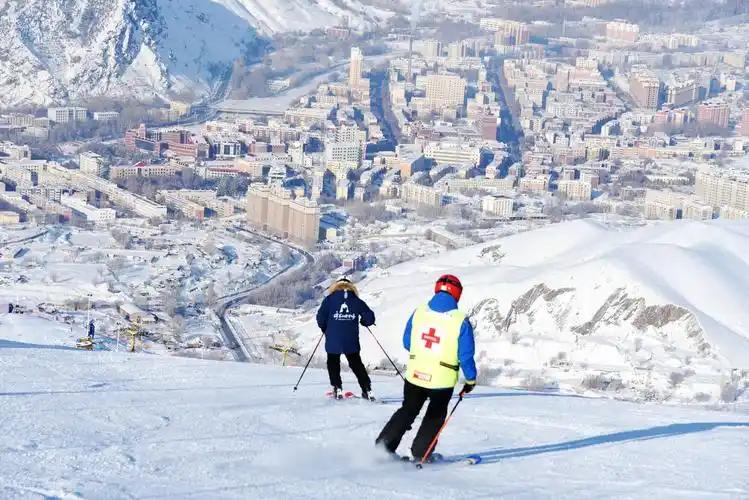
What Spring Skiing in Xinjiang Actually Feels Like
Spring in the Altay is a season of contrasts. Mornings can still be firm and cold, especially on north-facing slopes that hold winter’s chill. By late morning the sun has done its work and the surface loosens into forgiving, carveable snow. Afternoons are often warm enough to ski in a light layer, and the light is soft and golden rather than the flat grey that can settle over midwinter valleys.
The trade-off is variability. One run might be perfect corn snow while a shaded gully next to it stays icy. Learning to read aspect and time of day is the whole game in spring, and it is what makes the season so satisfying once it clicks. For a deeper look at how conditions shift across the winter, our guide to the Xinjiang ski season maps out the rhythm month by month.
Compared with the depths of January, spring feels relaxed and human. The brutal early-morning starts to beat the cold are gone, replaced by leisurely coffee before the snow softens. Base areas that hummed with crowds at New Year go quiet, so you get the sense of having a whole mountain to yourself. That calm is a big part of the appeal: fewer people, more sun, and snow that flatters your skiing instead of fighting it.
March vs April: Choosing Your Window
The two spring months feel quite different, and picking the right one depends on what you want from the trip.
- March still skis like deep winter at higher elevations. Nights are cold, the base is at its deepest, and you can catch late powder days after a storm. Resorts are fully operational and lifts run a normal schedule. This is the safer choice if you want reliable coverage top to bottom.
- April is true spring. Daytime temperatures climb, the snow line creeps up the mountain, and lower runs can turn slushy or thin by afternoon. Higher terrain still holds good snow, and the sunshine is glorious. Some smaller areas begin to wind down, so check operating dates before you commit.
If you only have a few days and want certainty, aim for the first half of March. If you value warmth, empty slopes, and long relaxed afternoons over guaranteed depth, late March into April is a joy. Either way, keep an eye on the forecast — our Xinjiang ski weather forecast guide explains which tools actually work inside China.
Timing the Day Around the Sun
Spring skiing rewards an early, then flexible, schedule. Firm morning snow means groomed runs ski fast and clean right after the lifts open, so start on the pistes. As the surface softens through late morning, move to sunnier aspects where the snow turns to smooth spring corn. By mid to late afternoon the lower mountain can get heavy and sticky, which is a natural cue to slow down, find shade, or call it a day.
A simple loose plan looks like this:
- First lifts to mid-morning: groomers and firmer terrain.
- Mid-morning to early afternoon: sun-softened corn on open faces.
- Late afternoon: mellow cruising, sun terraces, and photos as the light warms.
What to Pack for Spring Conditions
Layering matters more in spring than at any other time, because you may start the day near freezing and finish it in bright sun. Bring a warm base for the morning, a lighter mid-layer you can stuff in a pack, and a shell for wind up high. Sun protection is non-negotiable: strong high-altitude sun bouncing off snow burns fast, so pack high-SPF sunscreen, lip balm, and good goggles or sunglasses. Waterproof gloves help once the snow gets wet. For a full head-to-toe system, see our Xinjiang ski clothing and layering guide.
Where the Snow Lasts Longest
Not all terrain melts at the same rate, and in spring that difference decides where you should point your skis. Higher-elevation resorts and runs hold quality snow far later than low valley areas, and shaded, north-facing aspects stay cold and firm long after sunny slopes have gone to corn and slush. The practical rule is simple: as the season winds down, go higher and follow the shade in the morning, then chase the sun once the surface loosens.
Bigger resorts with more vertical and higher summits are the safest bet for a late-April trip, because even when the base area is patchy you can usually find good snow up top. Smaller, lower community hills are wonderful in March but are the first to thin out. If you are unsure which areas suit your dates, plan your route around elevation first and amenities second.
Getting the Most From a Quiet Season
The biggest reward of late-season skiing is space. Lift lines shrink or vanish, instructors and rental shops have time, and it is easy to book last-minute lessons or guides. This is a great window for lower-intermediate skiers to log a lot of mileage without pressure. It is also prime time for photographers, thanks to the soft light and dramatic melt patterns in the surrounding forests and ridgelines.
Prices and pressure both drop in spring, too. With demand lower than the New Year peak, accommodation is easier to secure and the whole trip feels less hurried. Use the extra breathing room to slow down: take a long lunch on a sun terrace, spend a morning on technique with an instructor, or add a cultural day nearby. Spring skiing is as much about the mood of the mountain as the vertical you rack up.
To make spring work, stay flexible. Weather swings can close terrain briefly or turn a slushy afternoon into a firm evening refreeze, so build a rest day or a cultural side trip into your plan. If you are new to the region entirely, start with our broad Xinjiang skiing guide, and read up on the common Xinjiang ski trip mistakes so you do not lose a day to avoidable planning slip-ups.
Frequently Asked Questions
Is there still enough snow to ski in Xinjiang in March and April?
Yes. The deep, cold-built Altay snowpack usually holds well into spring, especially on higher and north-facing terrain. March typically offers full coverage top to bottom, while April can thin out on lower slopes but still skis well up high on sunny corn snow.
Is spring skiing good for beginners?
It can be excellent. Softer afternoon snow is more forgiving for learning turns, and quiet slopes plus available instructors reduce pressure. Just avoid the firm, icy early mornings and the heaviest slush of late afternoon until you are more confident.
How warm does it actually get?
Daytime highs rise steadily through the period. March mornings are still cold, but sunny afternoons feel mild, and April can be warm enough to ski comfortably in a single light layer. Nights remain cold, which helps preserve the snow.
Do lifts and resorts stay open through April?
Larger resorts generally run through much of the spring, but smaller areas may reduce hours or close earlier. Always confirm current operating dates directly before booking a late-April trip so you are not caught out.
What is the single best tip for spring skiing here?
Chase the sun and the clock. Ski firm groomers early, follow the softening snow onto sunny aspects through midday, and ease off before the lower mountain turns heavy. Timing beats everything else in spring.