

There is a moment on every resort lift where you look past the boundary rope at an untouched slope and wonder what lies beyond. Ski touring in Xinjiang is how you find out. By swapping the chairlift for climbing skins and your own legs, you earn turns in silent, snow-laden valleys beneath the Altai and Tian Shan ranges. This introduction covers what touring actually is, the gear you need, the safety knowledge that is non-negotiable, and how a first-timer can start without taking foolish risks.
What Is Ski Touring, Exactly?
Ski touring—also called backcountry or ski mountaineering—means traveling on skis through unpatrolled terrain, usually gaining elevation under your own power and skiing back down. On the climb, sticky skins grip the snow so you don’t slide backward, and a special binding lets your heel rise freely. At the top you remove the skins, lock the heel, and enjoy a descent no groomer can offer. It blends hiking, navigation, and downhill skill into one sport.
Touring Skis Versus Resort Skis
Touring skis are lighter, often with a pin-style tech binding, and built to balance uphill efficiency with downhill control. Many riders use a splitboard—a snowboard that splits into two skis for the climb. You can tour on adapted alpine gear, but the weight penalty on long ascents is real.
The Essential Gear for Your First Tours
Beyond skis, skins, and touring bindings, beginners should assemble a safety kit before setting foot beyond the resort. Resist the temptation to tour with resort gear alone; without avalanche tools you are effectively unprepared for the environment you are entering, no matter how confident you feel on piste.
- Climbing skins sized to your skis.
- Avalanche transceiver, probe, and shovel—and the training to use them.
- Layered clothing suited to stops and sudden weather.
- Map, compass or GPS, and a fully charged phone in a warm pocket.
- Food, water, headlamp, and a small repair kit.
Gear is only as good as the person using it. The single most important purchase is a backcountry safety course before your first unguided tour.
Safety Is the Whole Sport
Backcountry terrain has no ski patrol, no boundary markings, and no rescue on standby. The dominant hazard is avalanche, and it demands respect. At minimum, complete an introductory avalanche-awareness clinic, learn to read slope angle and aspect, and never tour alone as a beginner. Check the local avalanche bulletin daily and turn around if conditions are marginal.
Reading the Day
Wind, temperature swings, and recent snowfall reshape the snowpack hourly. A slope that was safe at dawn can slab out by midday. Build the habit of stopping often, discussing plans with your partner, and setting conservative turnaround times so the descent happens in daylight. Carry a small notebook or use a phone app to log conditions on each tour; over a season these notes become a personal guide more useful than any generic forecast.
Where Beginners Can Start in Xinjiang
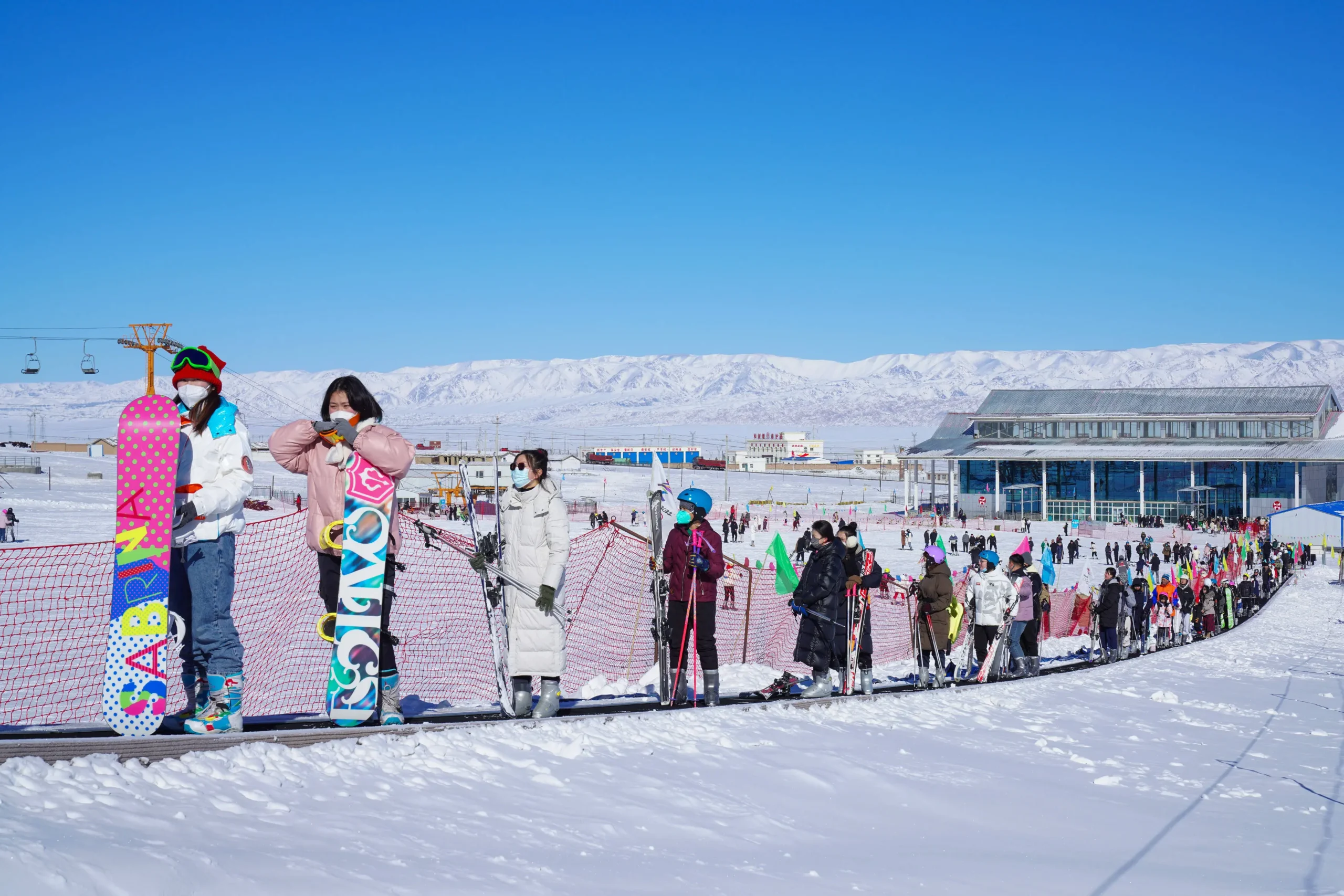
You do not need to vanish into the wilderness on day one. Several Xinjiang resorts sit near accessible side-country and mellow touring terrain where you can practice skins and transitions close to help. Guided intro tours are the smartest first step: a local guide handles route choice and hazard assessment while you learn the rhythm of climb and ski.
Building Skills Before the Big Lines
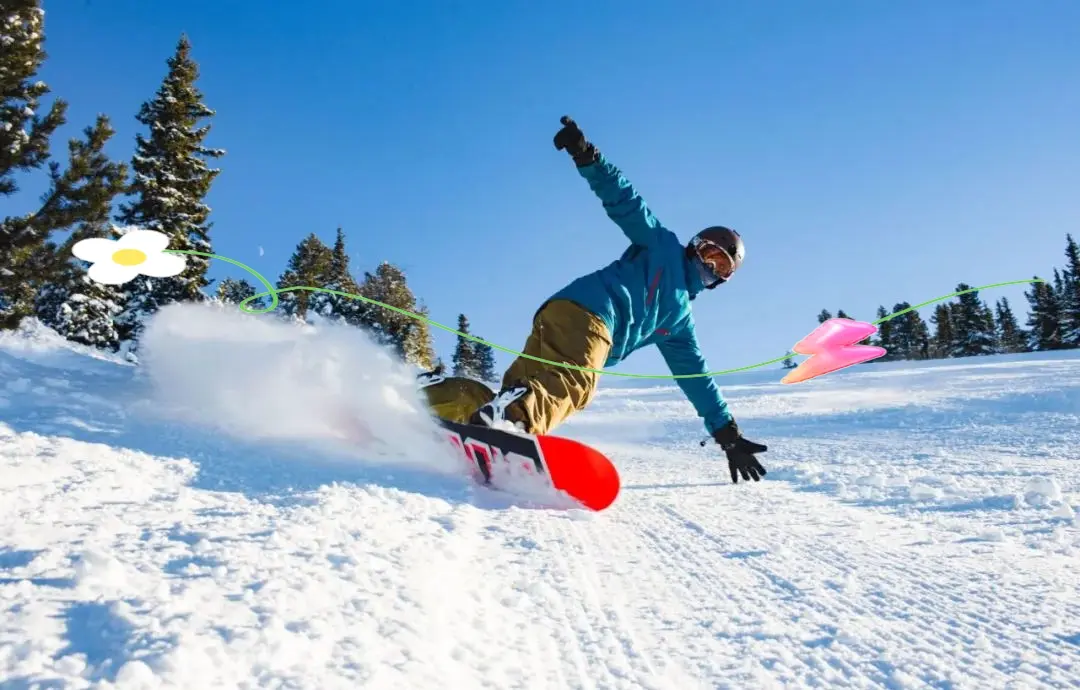
Treat your first season as education. Practice transitioning from tour to ski mode until it is second nature. Work on efficient kick-turns on gentle slopes. Ski variable snow at resorts to build the downhill confidence you will need when the run is long and unrepeatable. Many riders pair touring ambitions with solid resort fundamentals from a well-timed Xinjiang ski trip before committing to multi-day objectives.
Understanding Skins and Transitions
Skins are the unglamorous heart of touring. These adhesive strips grip the snow when you kick uphill and peel off for the descent. Practice sticking and removing them in your accommodation before you ever reach the snow—cold fingers and a fiddly attachment waste enormous time on the mountain. A clean, dry skin base sticks better and sheds less snow, so carry a small wipe and keep them protected from grit.
Mastering the Transition
The “transition” is the ritual of swapping from climb to ski mode at the top: remove skins, lock the heel, stow gear, and check your bindings. Do it clumsily and you will spend ten minutes shivering; do it smoothly and it becomes a satisfying pause. Rehearse at home in your living room until the sequence is automatic, because real conditions are colder, windier, and less patient.
Physical Preparation for Long Days
Touring is sustained aerobic effort with a pack on your back and skis on your feet. Build a base of cardio in the weeks before the trip—trail running, cycling, or stair climbing all translate well. Strengthen your hips and core so you can balance on variable snow and recover quickly after long descents. Arrive fit and your first tours will feel like adventure rather than ordeal.
Respecting the Backcountry and Locals
Xinjiang’s mountains are shared with herders, wildlife, and remote communities. Stick to accepted touring corridors, pack out everything you bring, and ask before crossing private or pastoral land. A respectful visitor is welcome to return; a careless one closes doors for everyone. The culture of touring here is still young, and good behavior protects access for the next generation of skiers.
Climate and Snowpack You Can Expect
Xinjiang’s continental climate produces the cold, light snow that makes touring here so rewarding, but it also means conditions change fast. A bluebird morning can give way to wind-loaded ridges by afternoon. Learn to recognize wind slab, surface hoar, and sun-affected crust, and adjust your objective accordingly. Local guides read these signs daily; as a beginner, leaning on their judgment is not weakness but wisdom. The more you tour, the more these patterns become instinct rather than study.
Frequently Asked Questions
Do I need a guide for my first ski tour?
Strongly yes. A certified guide manages terrain selection and avalanche risk while you learn. Self-guided touring should wait until you have training and at least a season of mentored experience.
Can I tour on normal downhill skis?
With frame bindings and skins, yes, but the weight makes long climbs exhausting. Dedicated touring or hybrid setups are far more enjoyable for anything beyond short side-country laps.
Is ski touring dangerous for beginners?
It carries real risk, mainly from avalanches and terrain, but that risk is manageable with training, the right gear, and conservative choices. Education is the difference between adventure and accident.
What fitness level do I need?
Touring is aerobic and sustained. If you can hike uphill for an hour and ski intermediate resort runs confidently, you have a reasonable baseline to begin with guide support.
When is the best season for touring in Xinjiang?
Mid-winter through early spring offers the deepest snow and most stable cold-powder conditions, though avalanche awareness remains critical. Late spring brings longer days but heavier, more variable snow.
How do I find touring partners and routes?
Local ski clubs, resort backcountry programs, and guided outfitters around Altay and Urumqi are the safest entry points. Avoid unknown remote lines until you have experience and a trusted group.