

Xinjiang spring skiing is one of the region’s best-kept secrets. While winter crowds head home, those who stay into March and April are rewarded with bluebird skies, soft corn snow, and blissfully quiet slopes. The season here is long, and the late weeks offer a completely different, and for many, more enjoyable kind of skiing. This guide explains what corn snow is, how to time your visit, what to wear, and how to make the most of the sun-soaked final turns of the Xinjiang ski season.
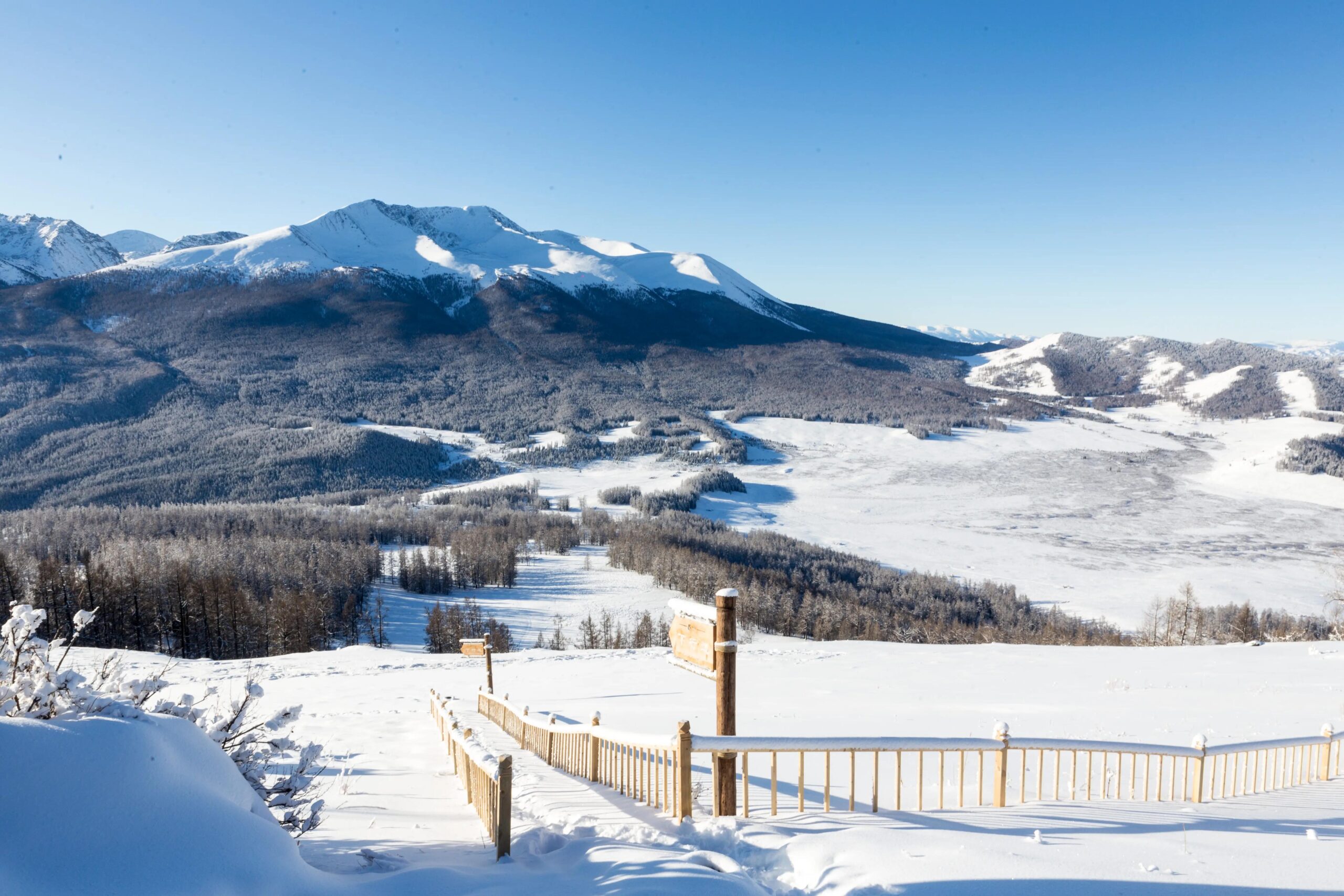
What Is Corn Snow and Why Skiers Love It
Corn snow is the magical result of freeze-thaw cycles. Overnight cold firms the snow into a smooth crust; morning sun loosens it into rounded, ball-bearing-like grains that ski fast and forgiving. It is the signature surface of spring. Unlike heavy slush or icy crust, good corn is grippy yet smooth, and it rewards a relaxed, rhythmic turn. For many experienced skiers, a perfect corn day beats fresh powder.
When the Spring Window Opens
March is the heart of the spring window across Xinjiang’s resorts. Days lengthen, storms ease, and the light gets glorious. April extends the fun at higher resorts, though lower areas may start to thin out. Our overview of the best time to ski Xinjiang maps the full season month by month so you can pick your window.
March Conditions
Expect cold mornings, soft afternoons, and the most stable weather of the year. This is prime time for learners and confident carvers alike. Snow bases are usually still deep from the winter dumps.
April Conditions
April brings genuine warmth and the occasional closed lower run, but top-to-bottom skiing often continues at altitude. Tree runs and north faces hold the best snow. This is the season for watching the snow and weather closely and adjusting plans day to day.
How Spring Differs From Mid-Winter
Winter in Xinjiang means cold, dry powder and shorter days. Spring means sun, corn, and a social, relaxed vibe. Lifts may open later and close earlier, and the scene shifts from bundled-up storm chasing to t-shirts at the base by midday. Late-February conditions are the bridge between the two, with the first soft days appearing as the month ends.
What to Wear for Spring Skiing
Layering is everything. Mornings can still bite, but by lunch you may be in a base layer alone. Pack a light shell, a warm mid-layer for the first chair, gloves you can vent, and strong sunglasses plus sunscreen. The high-altitude sun reflects off snow and burns fast, so lip balm and SPF are non-negotiable.
- Breathable base layer – wick sweat as the day warms.
- Soft-shell pants – less bulk than insulated winter pants.
- Packable mid-layer – stuff it in your jacket once it warms.
- Quality goggles and sunglasses – swap as light changes.
Timing Your Runs for the Best Corn
Corn cycles with the sun, so timing matters. The snow is firm and fast right at opening, softens to ideal corn late morning, and can get heavy by mid-afternoon on sunny slopes. North-facing and higher runs stay better longer. Plan sunny aspects for late morning and shaded aspects for the afternoon. This rhythm is the skill of late-season skiing at Xinjiang resorts, where snow management keeps runs open deep into spring.
Quiet Slopes and Hidden Perks
Spring means short lift lines and empty pistes. Resorts often run spring deals on lodging and passes, and the towns are calmer. It is an ideal time for progressing your technique without an audience, or for stacking up mileage with friends. Photography is superb too, with clean light and long shadows.
Packing Your Spring Ski Daypack
A spring daypack looks different from a winter one. Carry your mid-layer to shed, a small bottle, sunscreen, lip balm, and a spare pair of lighter gloves. Goggles with a low-light lens are less useful now; bring sunglasses with good UV protection instead, since glare off corn snow is intense. A pack also lets you carry a picnic and skip the pricey lunch entirely, which ties neatly back to keeping your Xinjiang ski budget under control across the whole trip. Pack a small towel too, because mild afternoons leave you sweating in a way deep winter never does.
Spring Skiing for Different Ability Levels
Beginners love spring for its soft, forgiving snow and patient pace, but should start at opening before the surface warms to slush. Intermediates can use the calm conditions to build confidence on steeper blues and easy blacks. Experts chase the best corn on north faces and enjoy hitting jumps in the soft park snow. Because lines vanish, everyone progresses faster without an audience watching every turn, and instructors often have open slots for a tune-up lesson.
Kids in Spring
Children tire quickly in strong sun and warmth, so shorter sessions with breaks work best. Many resorts keep dedicated learning areas open late, and the sunniest days at Xinjiang resorts are perfect for family mornings before an afternoon of non-ski fun in town. Sunscreen on small faces is essential, as reflection off snow burns faster than parents expect.
Making the Most of Sunny Afternoons
Once the snow softens, shift to lower-angle, sun-facing runs where corn forms first and stays skiable longest. Save shaded, higher terrain for when it finally warms. Take a long lunch on a sunny deck, then squeeze in a few more easy runs as the light goes golden. Spring rewards a relaxed plan far more than a relentless one, and the photos you bring home will be better for it. Treat the mountain like a slow travel day rather than a workout, and the late season will reward you.
Spring Ski Events and Local Festivals
Late winter and spring are when many Xinjiang resorts host fun, low-key events: costume days, pond skims, and barbecues that capture the easy mood of the season. These are great for meeting other travelers and for a relaxed final-day memory. Check the resort’s social channels before you go, because small events are often announced only a week or two ahead and dates shift with the snow.
Transitioning From Winter to Spring Gear
If you own your gear, spring is the time for a wax tuned for warmer snow and a base that glides in heavier conditions. Rental shops usually swap demos seasonally, so ask for the current setup rather than assuming winter kit. Boots feel warmer in spring, so thinner socks prevent the sloppy fit that causes blisters. Small adjustments like these make a surprising difference to how the corn snow feels underfoot.
Frequently Asked Questions
Is March too late to ski Xinjiang?
Not at all. March is one of the best months, with deep bases, stable weather, and excellent corn snow. Many regulars consider it the prime time to visit.
Will resorts still be open in April?
Higher resorts commonly ski into April, sometimes later, while lower areas may close earlier. Check each resort’s closing date before booking, as it varies by altitude and snow year.
Is spring skiing good for beginners?
Yes. Soft snow is forgiving and the calm atmosphere helps learners. Just start early before it gets warm and slushy, and rent properly tuned gear for the changing surface.
What are the main risks in spring?
Sun exposure and variable snow are the main ones. Use sunscreen, stay hydrated, and watch for icy patches in the shade and heavy slush in the sun during warm afternoons.
Do I need different skis for corn snow?
No. Your all-mountain skis work fine. Keep edges tuned, as spring snow is damper and grippier than powder, and well-maintained edges make carving much easier.