

Xinjiang is the heart of the ancient Silk Road, and it also hides some of Asia’s best skiing. Pairing downhill days with history, bazaars, and desert forts makes for a richer winter holiday than skiing alone. This itinerary shows how to build a Xinjiang ski and Silk Road trip that satisfies both adrenaline and curiosity. Instead of flying home having seen only chairlifts, you return with museums, mountain villages, and a real sense of the region’s layered past. 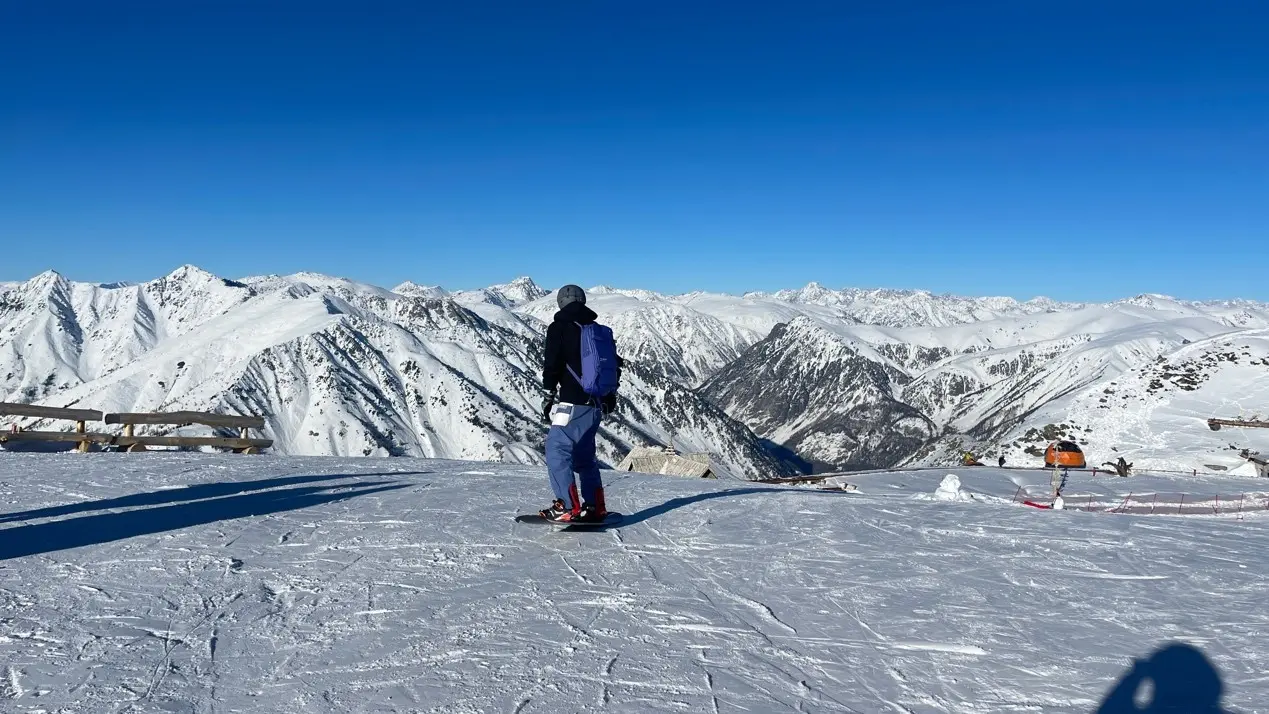
Why Combine Skiing and Culture?
Most visitors fly in for the snow and leave without seeing the region’s depth. A combined trip lets you ski the Tianshan powder by day and explore Urumqi’s museums and night markets by evening. Our Xinjiang skiing guide maps where the resorts sit relative to the major cultural hubs, so you can plan logical loops rather than backtracking across this enormous province.
Sample 7-Day Itinerary
Here is a balanced week that mixes resort time with heritage:
- Day 1: Arrive Urumqi, visit the Xinjiang Regional Museum, ease in with local food.
- Day 2–3: Ski Silk Road Resort; afternoon at the International Bazaar.
- Day 4: Travel north toward Altay; overnight in a timber Hemu village.
- Day 5–6: Ski the Altai powder fields around Jiangjunshan.
- Day 7: Hot springs and Silk Road fort ruins before flying out.
For resort choices, our Xinjiang ski resorts overview compares Urumqi versus Altay options, which is the core decision behind this route.
Getting Between Slopes and Sites
Xinjiang is vast, so transport planning matters. High-speed rail links Urumqi to several base towns, and resort shuttles cover the last miles. The where to ski in Xinjiang guide includes travel times between major resorts and cities. Build buffer days into long transfers, because winter weather can slow mountain roads. Domestic flights save time for the Urumqi-to-Altay leg if your schedule is tight. 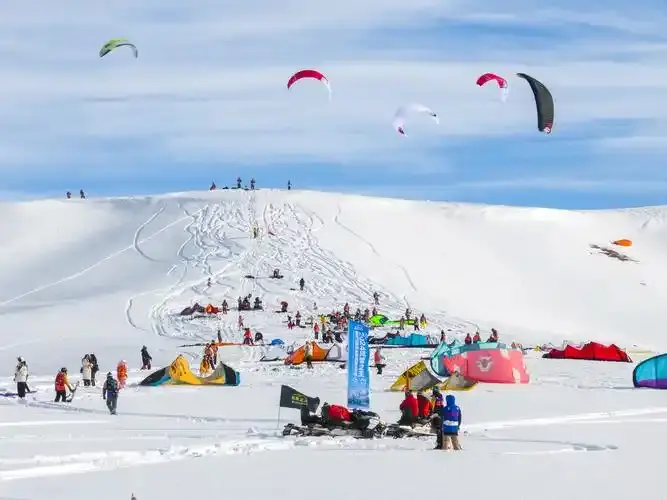
Best Time for a Combined Trip
January and February offer the deepest snow and the liveliest winter festivals, but also the coldest temperatures and busiest slopes. Shoulder weeks in early December or mid-March are quieter. See our best time to ski Xinjiang article for a month-by-month breakdown. If culture is your priority, March lets you enjoy ruins and bazaars in milder weather while still skiing soft snow.
Who This Itinerary Suits Best
This combined route works especially well for couples and small groups with mixed interests, where one person loves the mountain and another loves history. It also suits return visitors who have already done a pure ski trip and now want context. Solo travellers benefit too, because the structured days reduce the loneliness of a long winter evening. It is less ideal for hardcore freeriders who want to maximize vertical feet, or for travellers with very limited mobility, since the cultural sites involve walking and the mountains involve physical exertion.
What to Pack for Both Worlds
You need technical ski gear plus comfortable city shoes for museum days. Layering is key. A good shell, thermal base layers, and a warm mid-layer cover the mountain, while one smart-casual outfit handles upscale Silk Road dining in the cities. Pack a daypack for camera and water on sightseeing days, and keep your ski pass and gloves in an easy-access pocket so you are not unpacking at every lift.
Food on a Combined Trip
Xinjiang’s table is a highlight of any visit. After ski days, warm up with hand-pulled laghman noodles, spicy dapanji chicken, and fresh naan from corner ovens. Urumqi’s night markets serve grilled meats and sweet-roasted nuts late into the evening. In Altay, Kazakh hospitality means endless tea, dried curds, and hearty mutton broth. Vegetarians should flag preferences early, as many dishes center on meat, though vegetable stir-fries and flatbreads are always available. Try the local black tea with milk in the mountains, and sample dried fruit from the bazaars as a trail snack between ski runs — it is energy-dense and far tastier than packaged bars.
Where to Stay
Base in Urumqi for the first half so museums and the bazaar are a short taxi ride away, then move to an on-mountain or village lodge in Altay for ski-in convenience. On-mountain hotels cost more but save precious morning time; village guesthouses are cheaper and more atmospheric. Book early for January, when domestic holiday demand fills rooms near the best slopes. If you prefer quiet, choose a lodge slightly away from the main base village and use the resort shuttle — you trade a few minutes of sleep for lower prices and darker, star-filled night skies.
Respecting Local Culture
Xinjiang’s communities blend Uyghur, Kazakh, Han, and Hui traditions. Dress modestly at religious sites, ask before photographing people, and learn a few greetings. These small gestures enrich every market and teahouse you visit. A little curiosity about local crafts — carpets, knives, and embroidery — turns a shopping stop into a genuine conversation.
Winter Festivals Worth Timing Your Trip Around
If your dates are flexible, aim for a regional winter festival. Ice lantern shows, horse skijoring demonstrations, and Kazakh eagle-hunting displays appear across Altay in deep winter, while Urumqi hosts New Year light festivals. These events are free or cheap, family-friendly, and a vivid contrast to the quiet of the slopes. Check local listings a few weeks ahead, because dates shift with the lunar calendar and weather.
Photography Tips for the Combined Trip
You will want pictures of both the mountains and the markets. On the snow, a neck strap prevents drops, and a small cloth keeps the lens free of blowing spindrift. In the bazaars, shoot during the golden hour when low sun warms the mud-brick walls. Ask permission before framing locals, and consider a compact camera you can pocket quickly in the cold. A power bank is essential, since batteries drain fast in sub-zero temperatures.
A Longer 10-Day Option
If a week feels rushed, extend to ten days by adding a rest day in Urumqi for museums and a second Altay village stay. Extra slope days let beginners consolidate skills, while the added culture day covers the Xinjiang Museum’s Silk Road exhibits in depth. The extra cost is modest compared with the richer experience, and you return home genuinely rested rather than sprinting between sights.
Frequently Asked Questions
Can I ski and sightsee in the same week without rushing?
Yes. A 7-day plan with 3 ski days and 4 culture days works well, especially if you base in Urumqi first and Altay second rather than changing hotels nightly.
Which Silk Road sites are near the ski resorts?
Around Urumqi, the Regional Museum and International Bazaar are within the city. Near Altay, Hemu and Kanas villages offer Kazakh timber architecture and winter landscapes worth a full day.
Is winter a good time to see Silk Road culture?
Absolutely. Winter festivals, hotpot dinners, and snow-covered forts give a different, quieter perspective than the summer crowds, though some outdoor ruins are cold to visit.
Do I need a guide for the cultural parts?
Not strictly, but a local guide unlocks context at museums and bazaars. For the slopes, our English-speaking guides guide helps you book instructors.
How cold does it get on a combined trip?
Resort temperatures often sit between -10°C and -25°C. Pack heated layers and plan indoor cultural stops so you warm up between ski sessions.