

Most visitors think about snow and gear, not oxygen, yet several Xinjiang resorts sit high enough that the thin air quietly shapes the day. Understanding the altitude support on offer before you go turns a potentially rough first morning into a manageable one. This guide covers which resorts sit high enough to matter, what oxygen help exists on site, where to find enriched rooms, and the one rule that overrides everything else: know when to descend instead of pushing through.
Which Resorts Sit High Enough to Matter
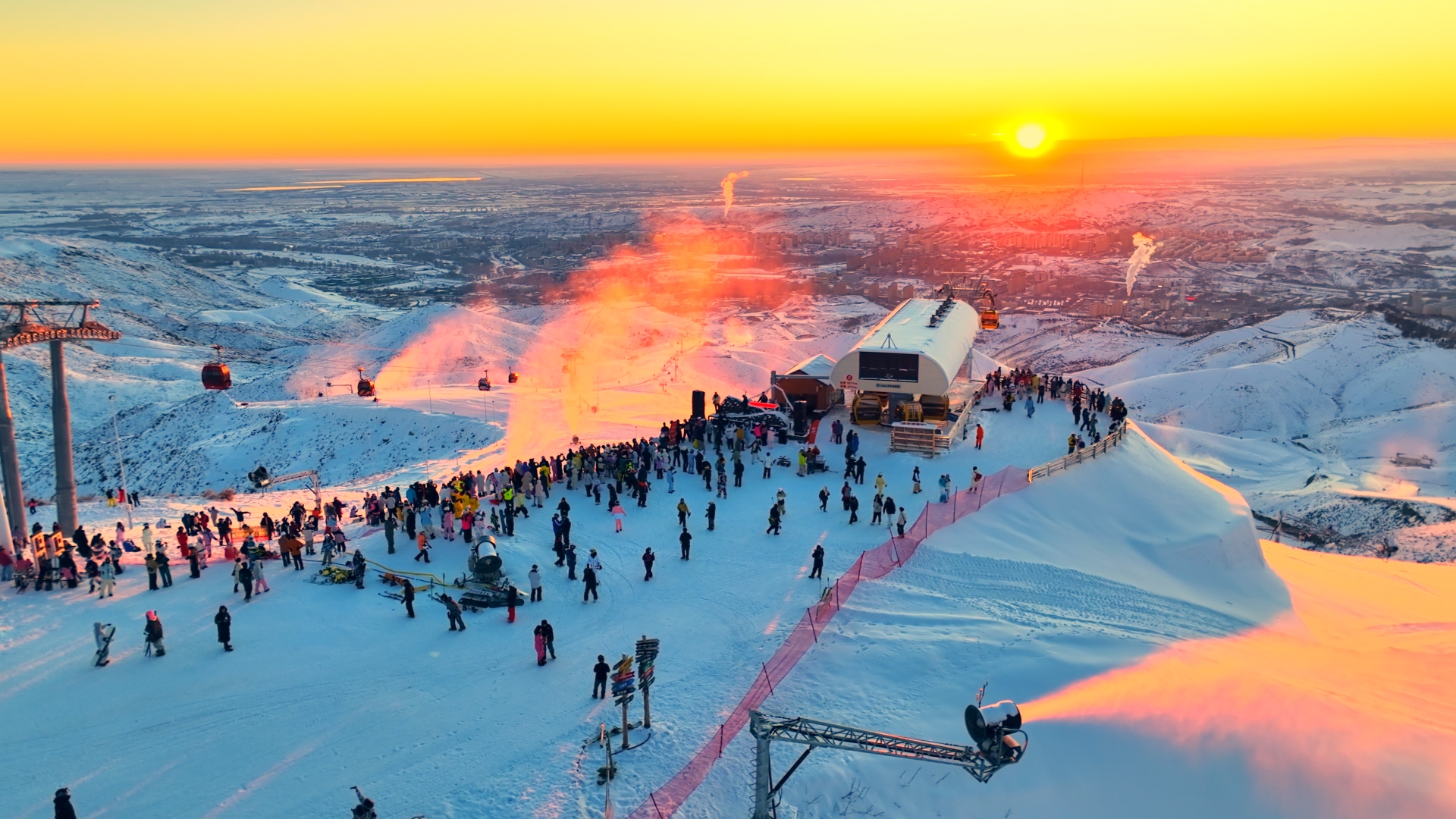
Altitude effects start to bite above roughly 2,500 metres, and a few Xinjiang resorts and their base villages sit near or above that line, with upper lifts and backcountry access reaching considerably higher. The famous Altay resorts deliver legendary snow precisely because they are high and cold. That same altitude is why some guests feel light-headed on day one while others feel nothing at all.
If your home is near sea level, the change is bigger than you expect. Give the first day a little respect even if you feel fine at breakfast.
Oxygen Cans and On-Site Sales
The most visible support is the humble oxygen can. At higher resorts you will find small disposable oxygen cylinders for sale at base-area shops, clinic counters, and sometimes from roving attendants on busy mornings. They are not a cure, but a few breaths can take the edge off a headache or breathlessness during the first acclimatising day.
Treat them as a band-aid, not a strategy. They help you finish a run or a lift ride; they do not replace the slower, real process of altitude acclimatization your body is doing in the background.
Clinic Oxygen and Medical Posts
Larger resorts run a medical clinic or first-aid post, and the higher ones keep oxygen on tap there for guests who feel unwell. Staff are used to altitude complaints and can assess whether you need rest, oxygen, or descent. Do not be shy about using them; asking early is far better than collapsing later. The same posts handle the ordinary bumps and twists of skiing, so they are a normal, judgement-free place to check in.
Signs You Should Not Ignore
- A pounding headache that water and rest do not ease
- Nausea or loss of appetite well past the first few hours
- Shortness of breath at rest, not just on the hill
- Dizziness or trouble sleeping that worsens through the night
Any of these escalating past day one is a signal to slow down or drop in elevation.
Oxygen-Enriched Rooms
A growing number of higher-elevation hotels and some resort lodges offer oxygen-enriched rooms, where the air is gently supplemented overnight. They are not hospital-grade, but sleeping in enriched air noticeably smooths the first nights for many visitors. Book early if this matters to you, as the rooms are limited and popular in peak season.
Pair an enriched room with the basics: hydrate hard, ease off alcohol for the first couple of nights, and let your altitude tips routine do the quiet work of adjustment while you sleep.
When to Descend Instead
The single most important rule of altitude safety is knowing when support is not enough. If symptoms worsen despite oxygen and rest, the fix is down, not more oxygen. Dropping even a few hundred metres to a lower village or the city often resolves mild altitude sickness within hours. Skipping a half day to recover is a small price for a safe, enjoyable week.
Never let pride or a paid lift ticket talk you into riding hard through warning signs. The mountain will be there tomorrow, and the snow is not worth a hospital visit.
Reading Mild vs Serious Symptoms
The tricky part is that normal first-day fatigue and early altitude sickness feel similar: you are a little short of breath, a touch tired, maybe with a dull head. The difference is trajectory. Normal adjustment improves through the day and after a night’s sleep, while real trouble worsens. Track how you feel at the same time each day rather than judging by a single rough moment, and trust a clear downward trend over headaches that linger into day two. When in doubt, use the clinic; the cost of a check-up is nothing next to the cost of ignoring a serious signal.
Planning Around Altitude
Timing helps. Arriving a day early in a lower city like Urumqi before climbing to a high resort lets your body start adjusting. Choosing the best time to ski Xinjiang also means choosing your crowd and cold levels, and colder, clearer windows often pair with the calmest first-day conditions.
Build a gentle first day on the hill: shorter sessions, lower lifts, and early nights. Save the big backcountry push for day three or four, when your breathing has caught up with the view.
Children, Older Skiers, and Altitude
Kids usually adapt faster than adults, but they cannot always describe how they feel, so watch for unusual tiredness, crankiness, or refusing food. Older skiers and anyone with a heart or lung condition should clear high resorts with a doctor before travelling and pack any usual medication. The thin air also amplifies the effect of alcohol and poor sleep, so families do best with early, calm evenings rather than late base-area nights.
Pairing Altitude Care With Cold-Weather Prep
Altitude and cold stack their demands on the body. Dehydration worsens both headache and breathlessness, so drink more water than feels necessary and ease off caffeine and alcohol early in the trip. Layer so you can warm up quickly at a hut without overheating on the lift, since getting chilled stresses the same system that is already adjusting to less oxygen. Good resort-level support helps, but your own habits do most of the work.
Frequently Asked Questions
Do Xinjiang ski resorts have oxygen for sale?
Yes, at the higher resorts. Disposable oxygen cans are commonly sold at base-area shops and clinic counters, and medical posts keep oxygen on tap for guests who feel unwell. Availability is best at the largest, highest-elevation resorts.
What altitude do Xinjiang resorts reach?
Several resorts and their base villages sit around or above 2,500 metres, with upper lifts and backcountry access reaching higher still. The exact figure varies by resort, so check the specific elevation of where you plan to stay and ride.
Are oxygen-enriched hotel rooms common?
They are available at a growing number of higher-elevation hotels and some resort lodges, but the rooms are limited. Book well ahead if you want one, especially during Chinese New Year and peak snow weeks.
When should I go to the clinic?
Go if a headache, nausea, or breathlessness at rest worsens despite rest and oxygen, or if it persists past your first acclimatising day. Clinics are used to altitude complaints and assess quickly whether you need oxygen, rest, or descent.
Can I ski through mild altitude symptoms?
Light breathlessness on the first day is normal and usually eases. But pushing hard through worsening symptoms is risky. Ease off, use oxygen if needed, and descend if things escalate. A skipped half day beats a serious incident.
Does arriving early in Urumqi help?
It can. Spending a night or two at lower elevation before climbing to a high resort gives your body a head start on adjustment. Combined with hydration and easy first days, it noticeably reduces rough starts.