

No one plans to get hurt on holiday, but knowing the system before you slide is the mark of a prepared skier, and Xinjiang ski medical care is more organised than many visitors assume. Every major resort runs a patrol service, staffs a base-clinic for first aid and minor injury, and has an evacuation plan for anything serious. Understanding how that chain works, and what you should do in the first minutes after a fall, lets you enjoy steep and remote terrain with real confidence rather than blind optimism.
What the Resort Clinic Handles
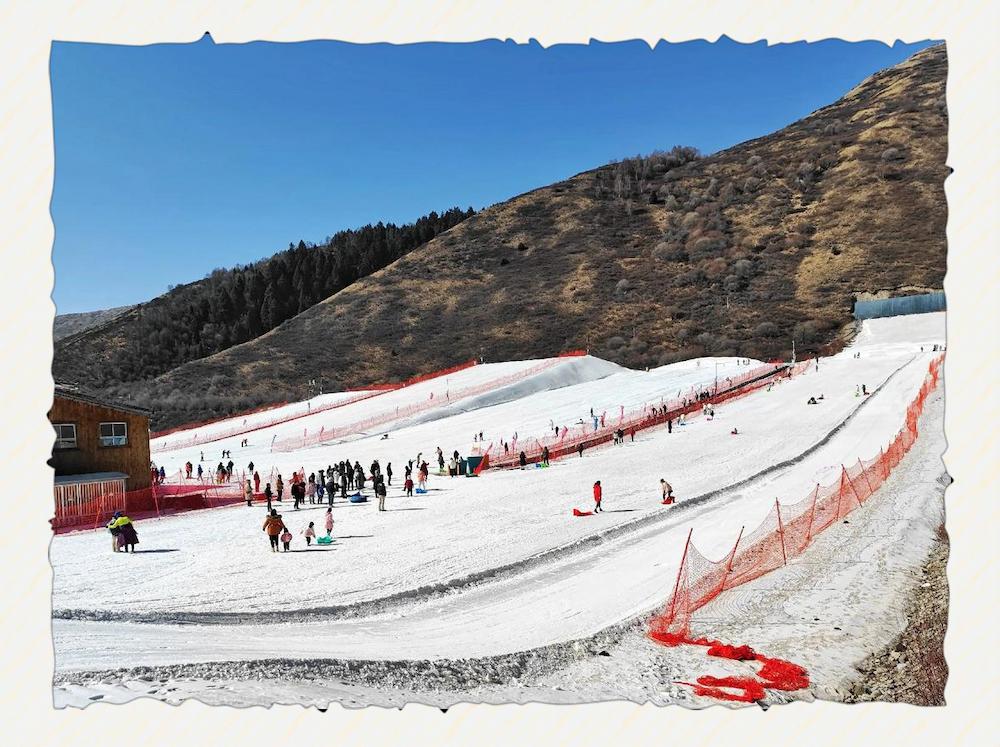
The base-area clinic at a large Xinjiang resort is equipped for the common stuff: sprains, minor fractures, cuts, altitude headache, and cold exposure. Staff are trained in trauma first response and can stabilise a patient, splint a limb, or treat mild altitude sickness on the spot. For anything beyond that, the clinic becomes the coordination point that decides whether you move to a larger hospital in the nearest city.
It helps to know your own insurance position before you need it. Our Xinjiang ski travel insurance guide explains what a policy should cover for winter sport injuries and evacuation, because the clinic will ask about payment and coverage before any transfer that goes beyond basic first aid at the mountain.
How Evacuation Works on the Mountain
If you are injured high on the slope, the process starts with a fellow skier reporting it to patrol or pressing the emergency button at a lift station. Patrol arrives with a sled or, on steep terrain, a rope-based lower, and brings you to the base clinic. From there, a road ambulance or, in remote cases, a helicopter transfer moves you to a city hospital with fuller facilities.
The Xinjiang ski safety and altitude guide is worth reading alongside this, because altitude sickness and exhaustion cause many of the incidents that look like simple falls. Knowing the symptoms means you can self-report early, before a minor issue becomes an evacuation that a rest and some water would have prevented.
Altitude, Cold, and Quiet Risks
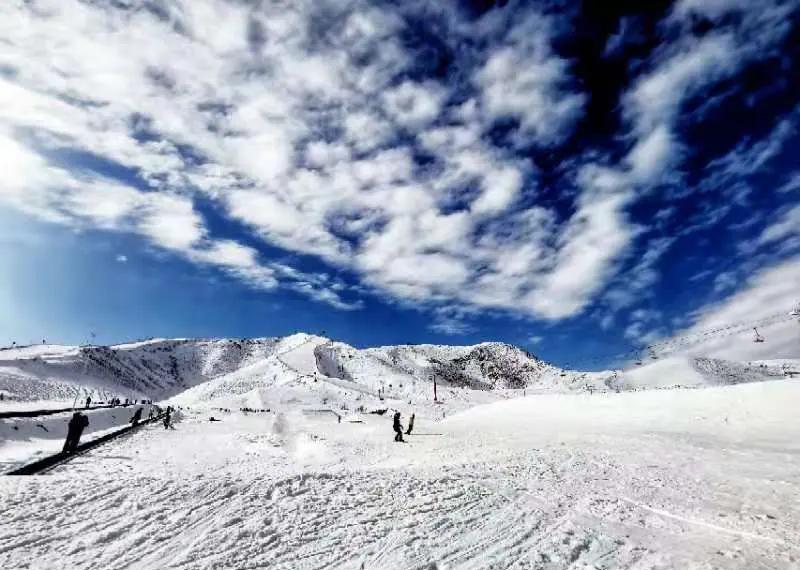
Xinjiang resorts sit high, and the two silent hazards are altitude and cold. Thin air worsens fatigue, which leads to sloppy turns and falls; prolonged exposure without layers risks hypothermia or frostbite on exposed skin. Patrol is trained for both, but the fastest help is a partner who notices you slowing down or shivering and gets you to warmth before it escalates into a clinic visit.
Our broader Xinjiang skiing guide includes acclimatisation advice that directly reduces injury risk, since a well-adapted skier simply falls less. Treat the first day as a gentle warm-up, even if you are fit, and let your body adjust to the elevation before pushing the steepest pitches the resort offers.
Getting Home or to a City Hospital
For serious injury, the resort arranges transport to the nearest city hospital, and your insurance or a deposit usually governs the mode. Having a contact who speaks the local language helps enormously here, which is why many visitors book through a resort or operator with English guest service. The Xinjiang ski resort transfers page also covers how medical or recovery transport is typically arranged from remote bases back to Urumqi or Altay.
What You Should Do After a Fall
- Stay still and signal for help rather than struggling up if something hurts.
- Ask a passing skier to notify patrol at the nearest lift or button.
- Keep the injured person warm and calm while waiting for sled arrival.
- Have your insurance details and passport ready at the clinic.
- Follow patrol advice on hospital transfer; do not refuse evaluation.
Knowing the Layout Before You Ski
A few minutes with the Xinjiang ski resort map before your first run is a genuinely useful safety habit. Mark where the base clinic sits, where patrol stations are, and which lift tops are nearest the expert terrain you plan to ski. If something happens, you can tell rescuers exactly where you are, and a partner can reach help faster than if everyone is guessing from the snow.
This is especially true off-piste. Side-country and backcountry zones may have only one obvious exit, and losing it in flat light is a common way people end up needing evacuation. Knowing the geography in advance turns a potential emergency into a manageable decision about when to turn around and ski out the safe way.
Preventing the Most Common Injuries
- Warm up properly; cold muscles tear more easily on the first steep pitch.
- Stop before exhaustion, when reaction time and judgement fade.
- Keep edges tuned so you are not fighting the ski on hard snow.
- Stay hydrated and fed to avoid the altitude fog that causes falls.
Most clinic visits at Xinjiang resorts are minor and preventable. The skiers who rarely need patrol are the ones who pace themselves, ski with a partner, and respect the mountain’s altitude instead of trying to prove something on the first morning at elevation.
Talking to the Clinic if You Don’t Speak Chinese
If you need the clinic but no English speaker is immediately at hand, a translation app and a few prepared phrases go a long way. Point to the injured area, show your insurance card, and use the resort map to indicate where the incident happened. Most patrol and clinic staff are used to foreign guests and will signal clearly, so stay calm and let the process work rather than trying to explain everything at once.
For anything beyond first aid, ask the resort to involve an English-speaking contact for the hospital transfer. Having someone relay symptoms, allergies, and insurance details accurately matters more than speed, because a small miscommunication at this stage can complicate treatment later and slow any claim you need to make once you are safely home again.
In short, a little preparation turns Xinjiang’s clinics and evacuation system into quiet reassurance rather than a worry. Know where the clinic is, ski with a partner, and the mountain stays exactly as fun as it should be.
Frequently Asked Questions
Is there a doctor at every Xinjiang ski resort?
Major resorts staff a base clinic with first-response trained medical staff, not always a fully qualified doctor on site. Serious cases are stabilised then transferred to a city hospital with fuller facilities and specialists.
How fast is evacuation from the slope?
Patrol usually reaches an reported incident within minutes via sled or rope lower, then moves the patient to the base clinic. Remote or steep terrain takes longer, which is why skiing with a partner off-piste is strongly advised.
Will my insurance cover evacuation?
Only if your policy includes winter sports and evacuation. Check before you travel, because the clinic will ask about coverage before arranging any transfer beyond basic mountain first aid and stabilization.
What altitude risks should I watch for?
Mild headache, breathlessness, and poor judgement are early altitude signs that raise fall risk. Rest, hydrate, and descend to the base if symptoms build; the safety guide explains when to seek clinic help.
Can I ski again after a minor clinic visit?
Only if patrol clears you. A sprain or cold-exposure case may end the day by design. Pushing on after a clinic visit risks a worse injury and complicates any insurance claim you might later need.