

For many foreign visitors, the biggest worry about a ski trip to western China is simply being understood, but English staff at Xinjiang resorts are more common than travellers expect. The region’s top mountains have invested in international guest services precisely because foreign skier numbers keep climbing, and you can now find English at front desks, in ski schools, and increasingly on the mountain itself. Knowing which resorts staff anglophone help, and how to use it, turns a potentially stressful arrival into a smooth holiday.
Where English Support Is Strongest
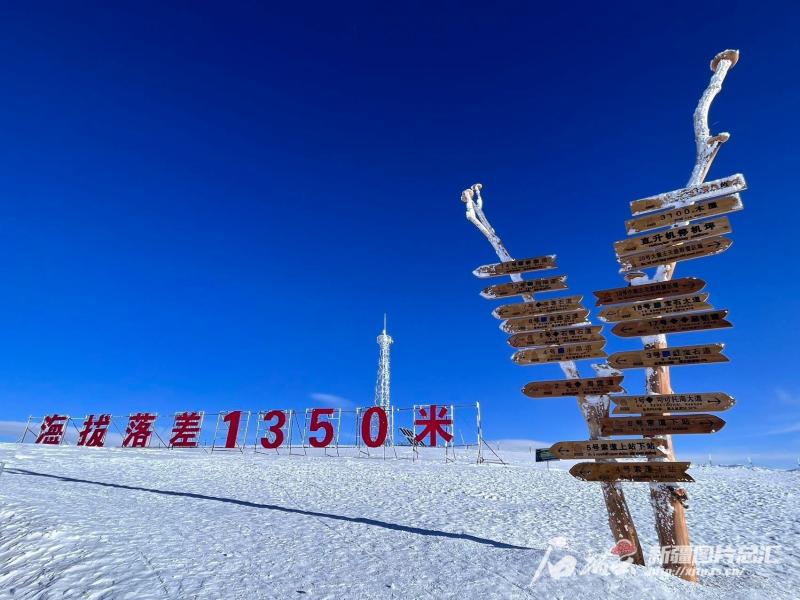
The resorts that see the most international traffic tend to have the best language coverage. Around Urumqi and in the Altay cluster, several mountains employ guest-service hosts who speak English and can handle check-in, pass pickup, and basic mountain orientation without a translation app. These resorts also tend to put bilingual signage on key lifts and in beginner zones, which helps you navigate even when no staff member is beside you.
Smaller or more local resorts may have only one or two English speakers, often in the ski school rather than at the general desk. That is still enough to get lessons and rentals sorted, but you should arrive knowing the plan rather than expecting to chat through every detail at the counter. Our ski lessons in Xinjiang with English instruction guide names which resorts reliably staff foreigner-friendly coaches.
Getting Lessons in English
Ski school is where language matters most, because technique is taught through short, precise instructions. The good resorts assign bilingual or native-English instructors to foreign guests when booked ahead, and they use universal demos so even partial language overlap works. Booking early is the single most reliable way to secure an English-speaking teacher, since holiday weeks fill the limited anglophone slots first.
Beyond the lesson itself, English staff can explain lift rules, meeting points, and what to do in bad weather, all of which reduces first-day anxiety. If you are combining ski school with a wider trip, the China ski travel tips for foreigners page covers etiquette and practical habits that make cross-language days easier even off the snow.
At the Front Desk and Around the Resort
English-speaking guest service pays off at the moments that matter: collecting your pass, reporting a lost glove, or understanding a weather hold. Resorts with strong international desks often have an app or paper map in English, and some offer a WeChat contact handled by an English speaker for the duration of your stay, which is invaluable if something changes mid-trip.
For arrivals, language help at transfer points is the hidden win. Knowing someone at the resort can message your driver or meet you at the station removes a common stress point. The how to get to Altay and Urumqi guide explains the main routes and where resort pickup is typically arranged, so you can confirm English contact before you fly.
Paperwork and Entry Logistics
Language is not only an on-mountain issue; it starts with visas and documents. Having your resort confirmation in English helps at immigration if questioned about your plans. Our China visa guide for skiers walks through the documents officers may ask for, and pairing that with a resort that replies in English makes the whole pre-trip process calmer and more predictable.
Finally, do not underestimate the value of a resort that proactively shares English safety information. Clear bilingual signs near lifts, base areas, and clinic entrances mean you can react correctly in an emergency without waiting for a translator, which is exactly the kind of quiet reassurance that lets you relax and enjoy the skiing.
Apps and Phrases That Fill the Gaps
Even at the most foreigner-friendly resorts, a translation app on your phone smooths the moments between English-speaking staff. Saving key phrases for “slow down”, “where is the clinic”, and “I need a lesson” in both languages helps if you meet a lone lift operator who does not speak English. Most resorts also use a messaging app for guest service, so adding the English contact the day you arrive pays off later.
When you plan your visit, our best time to ski in Xinjiang guide helps you pick weeks when English-speaking staff are most available and the slopes are quieter, which means shorter lesson waits and more personal coaching. Timing and language support together make a far bigger difference to enjoyment than most visitors expect before they go.
What to Confirm Before You Fly
- That your chosen resort staffs English at the front desk, not only ski school.
- That an English instructor is reserved for your exact dates.
- That the resort can send written confirmation in English for immigration.
- That a bilingual map or app is provided for mountain navigation.
A short email exchange before departure settles all of this. Resorts that reply clearly in English are usually the same ones that support you well on the ground, so the quality of that first reply is a useful signal of how smooth your trip will be.
Reading Reviews for Language Quality
Not all “English-speaking” labels mean the same thing, so read recent reviews with a critical eye. Look for mentions of clear instruction and smooth check-in rather than vague praise, and prefer resorts where several foreign visitors report the same positive experience. A resort that quietly invests in language training tends to keep doing so, while one that hired a single translator for a season may not staff English the following year.
It also helps to ask the resort directly how many English speakers they have on a typical day, and in which roles. An honest answer about limits, such as “English at ski school only”, lets you plan around it instead of discovering the gap at the top of a lift with a nervous beginner in tow and no one to explain the next step.
Above all, treat language planning as part of your packing list. Ten minutes of preparation before you fly prevents an afternoon of confusion on the mountain, and it lets you spend your energy on the skiing instead of the translation app.
Frequently Asked Questions
Which Xinjiang resorts have the best English support?
The internationally marketed mountains around Urumqi and in Altay generally staff English at guest service and ski school. The ski-lessons guide lists resorts where anglophone instructors are reliably available if booked ahead.
Do I need to speak Chinese to ski in Xinjiang?
No. You can get by with English at the main resorts, especially for lessons, rentals, and front-desk help. A few key phrases and a translation app cover the rest, particularly at smaller local mountains.
How do I book an English-speaking instructor?
Request one when you reserve lessons, ideally at the same time as accommodation. Holiday weeks sell out the limited English slots, so early booking is the most reliable way to secure the teacher you want.
Will signage be in English too?
At the larger resorts, key lifts, beginner zones, and safety areas usually have bilingual signs. Smaller resorts may be Chinese-only in places, so download an offline map and confirm routes with staff on arrival.
Can the resort help with visa or arrival questions?
Many international desks will send written confirmation in English that helps at immigration, and some arrange station or airport pickup with an English contact. The visa guide covers what officers may ask for.