

Skiing in Xinjiang is safer than many first-time visitors expect. The major resorts run trained ski patrol teams, on-mountain first aid rooms and clear evacuation procedures, and serious injuries are rare among recreational skiers who stay on marked runs. Still, Xinjiang is a remote destination by international standards: the nearest large hospital may be an hour or more from the slopes, English is not widely spoken in medical settings, and payment systems work differently from what travelers from Europe, North America or Australia are used to. Knowing exactly what happens after an accident – who to call, where you will be taken, what it costs and how to communicate – turns a stressful situation into a manageable one. This guide walks through the entire chain of care at Xinjiang ski areas, from the moment ski patrol reaches you to hospital treatment and insurance claims, so you can ride with confidence. It complements our full Xinjiang skiing guide for foreign visitors.
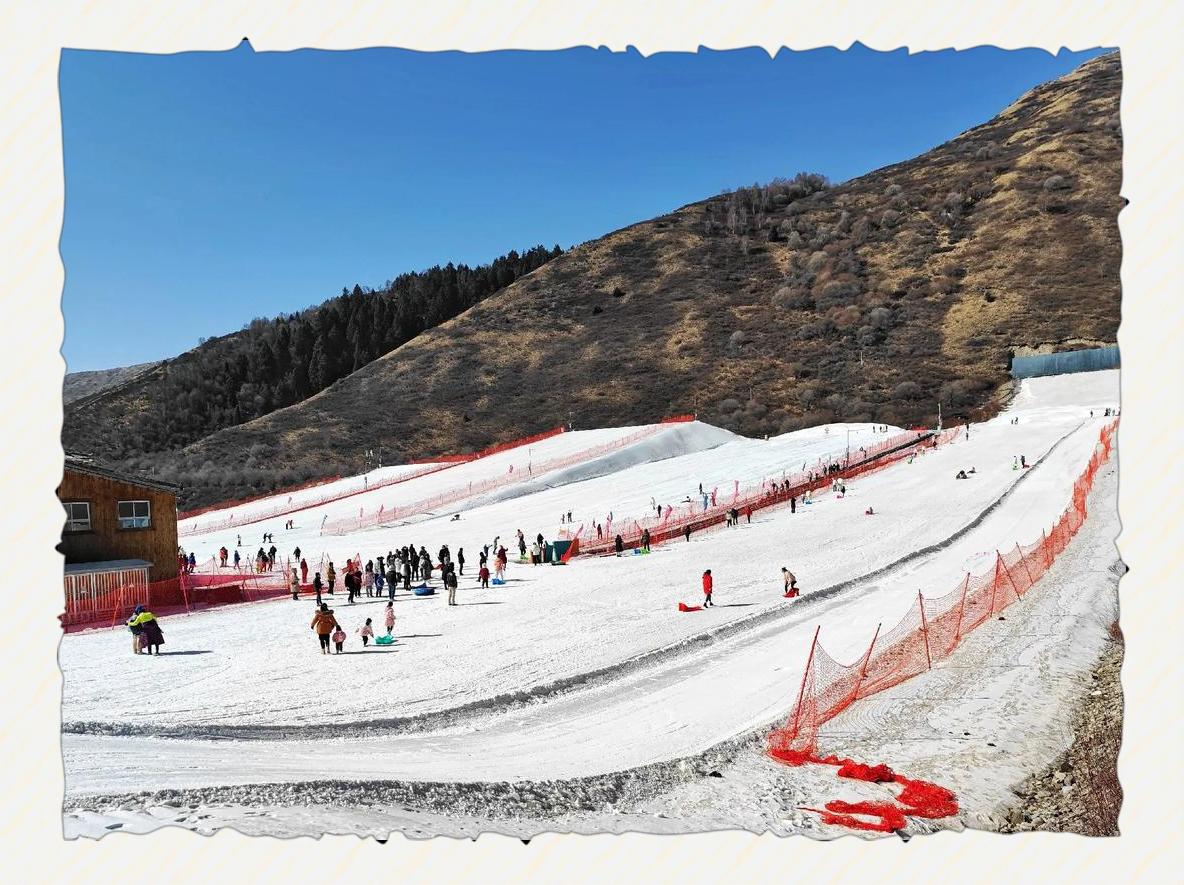
How Ski Patrol Works at Xinjiang Resorts
All major Xinjiang ski areas – Silk Road (Urumqi), Jiangjunshan (Altay City), Koktokay and Hemu – operate uniformed ski patrol teams during lift hours. Patrollers sweep the marked runs regularly, respond to radio calls from lift staff and carry rescue sleds for transporting injured skiers down the mountain.
- Getting help on the slope: If you are injured and cannot ski down, ask any lift attendant or another skier to alert patrol. Crossing your skis upright in the snow above an injured person is understood as a warning signal, just as in Europe or North America.
- Response time: On marked runs at Silk Road or Jiangjunshan, patrol typically reaches an injured skier within 10 to 20 minutes. In side-country or tree areas response is slower, which is one reason to ride ungroomed terrain with a partner.
- What patrol does: Patrollers provide basic first aid, immobilize suspected fractures, load you onto a sled and bring you to the base-area first aid room. They do not charge for on-mountain rescue on marked runs at most resorts.
First Aid Rooms at the Base
Each large resort has a medical room at the base station staffed during operating hours. Staff can clean and dress wounds, splint limbs, check for concussion symptoms and give basic pain relief. They will decide whether you need transfer to a hospital. Treatment at the resort first aid room is free or costs only a nominal fee, but capabilities are limited – X-rays and surgery require a hospital.
Emergency Numbers in China
Save these numbers in your phone before your first ski day:
- 120 – national ambulance and medical emergency line
- 110 – police, useful when you need help locating someone or translating in an emergency
- 119 – fire and technical rescue, sometimes involved in mountain rescues outside resort boundaries
Operators generally speak Mandarin only. If you do not speak Chinese, hand the phone to a resort employee, your driver or hotel staff. A better strategy is to always go through resort staff first while at a ski area – they know the local dispatch and the fastest road access, and they will make the call for you.
Hospitals Near the Main Ski Areas
Urumqi and Silk Road Resort
Silk Road International Resort is about 40 to 60 minutes from central Urumqi, which has the best medical infrastructure in the region. Large tertiary hospitals such as the People’s Hospital of Xinjiang and the First Affiliated Hospital of Xinjiang Medical University offer orthopedics, CT and MRI imaging and 24-hour emergency departments. Quality of trauma care in Urumqi is comparable to other major Chinese cities, and costs are far lower than in Western countries.
Altay City, Jiangjunshan and Koktokay
Jiangjunshan sits directly above Altay City, so the Altay regional hospital is only 10 to 15 minutes from the lifts – one of the shortest slope-to-hospital transfers anywhere in China. It handles fractures, stitches and imaging well; complex surgery cases may be stabilized and transferred to Urumqi. Koktokay is about an hour from the county hospital in Fuyun, and serious cases from there are also moved to Altay or Urumqi.
Hemu and Kanas
The Hemu area is the most remote of Xinjiang’s ski destinations. The village has a small clinic for basic care, but anything significant means a long road transfer, several hours in winter conditions. If you ski Hemu or ride backcountry around Kanas, carry a small first aid kit, ski with a guide and be more conservative than you would be at a lift-served resort. Reading up on avalanche safety in Xinjiang is essential before any off-piste day in the Altay mountains.
What Medical Care Costs and How to Pay
Chinese public hospitals are inexpensive by international standards, but they expect payment up front – there is no direct billing to foreign insurers at the registration desk.
- Registration: You register at a kiosk or counter (bring your passport) and pay a small fee, usually under 50 RMB.
- Consultation and imaging: A doctor visit plus X-ray typically costs 200 to 500 RMB. A CT scan runs roughly 300 to 800 RMB.
- Treatment: A cast for a simple fracture might total 1,000 to 2,500 RMB. Surgery with hospitalization, for example for a broken leg requiring plates, commonly lands between 20,000 and 50,000 RMB.
- Payment methods: WeChat Pay and Alipay linked to a foreign card work at most hospital cashiers; larger hospitals in Urumqi also accept foreign bank cards. Keep every receipt and ask for the itemized invoice (fapiao) plus your medical records – your insurer will require them.
Because you pay first and claim later, adequate coverage matters. Our breakdown of ski travel insurance for Xinjiang explains what policies actually cover winter sports in China and how to file claims with Chinese hospital paperwork.
Clinics, Pharmacies and Minor Issues
Not every problem needs an emergency room. Pharmacies in Urumqi, Altay City and Burqin sell painkillers, cold medicine, blister care and bandages cheaply, though brand names differ – show a translation app or the empty packet of what you use at home. For sprains, bruises and minor knocks that need a professional look, smaller clinics handle walk-ins fast. Our guide to ski injury clinics in Xinjiang lists practical options near each resort and what they can treat on the spot.
Communication: Handling the Language Barrier
- Install a translation app that works offline and learn to use its conversation mode; hospital staff are patient with it.
- Screenshot key phrases in Chinese: “I fell skiing”, “my leg / arm / head hurts”, “I have travel insurance”, “please call my hotel”.
- Save your hotel’s phone number and your guide’s WeChat – locals can translate by phone in seconds.
- Carry a card with your name, nationality, blood type, allergies and emergency contact written in both English and Chinese.
Prevention: The Cheapest Medicine
Most ski injuries in Xinjiang are the same ones seen worldwide: knee sprains, wrist fractures and collisions on crowded beginner slopes. A few habits cut your risk dramatically. Always wear a helmet – rental shops provide them, and our review of helmets and safety gear at Xinjiang resorts covers what to check before you accept rental equipment. Warm up before the first run, keep speed in check in flat light, hydrate constantly in the dry continental air and stop before exhaustion sets in – most accidents happen on the “one last run”. If you plan to ski the deep and remote terrain covered in our heliski and backcountry guide, hire a certified guide and confirm rescue arrangements in writing beforehand.
Frequently Asked Questions
Is ski patrol rescue free at Xinjiang resorts?
On marked, open runs at the major resorts, on-mountain rescue by ski patrol is generally free. Rescues outside resort boundaries, or those requiring vehicles, snowmobiles or extended searches, can incur significant charges – another reason to carry insurance that covers search and rescue.
Do doctors in Xinjiang speak English?
In Urumqi’s large hospitals some younger doctors speak basic English, but you should not count on it, and in Altay or smaller towns assume Mandarin only. Translation apps, resort staff and your hotel are your bridge; serious hospitals also have experience treating foreign patients through interpreters.
Should I go to Urumqi for treatment even if I am injured in Altay?
For fractures needing complex surgery or any head or spine concern, Urumqi offers the region’s best specialists and equipment, and doctors in Altay will arrange transfer when appropriate. For routine fractures, stitches and sprains, the Altay regional hospital is fully capable and much closer to the northern resorts.
What should be in my pocket first aid kit?
Blister plasters, painkillers, a small bandage, any personal medication, lip balm and sunscreen. Add a space blanket and whistle for backcountry days. Keep it in a jacket pocket, not in a bag left at the base.
Does travel insurance really work with Chinese hospitals?
Yes, but almost always on a pay-first, claim-later basis. Collect itemized invoices, diagnosis reports and imaging discs before leaving the hospital. Policies with explicit winter sports coverage and emergency evacuation are strongly recommended for Xinjiang trips.