

Quiet, deep, and gloriously empty: Xinjiang backcountry skiing is what draws serious skiers to China’s far northwest. Away from the groomed pistes of the big resorts, the Altai and Tian Shan ranges hold some of the most reliable powder in Asia, with vast tree lines, open bowls, and long glacier descents that rarely see another track. This guide explains how to plan a safe trip, what gear you need, where to go, and why hiring a licensed guide is not optional out here. It is written for foreign skiers who already enjoy resort skiing and want to take the next step into untracked terrain.
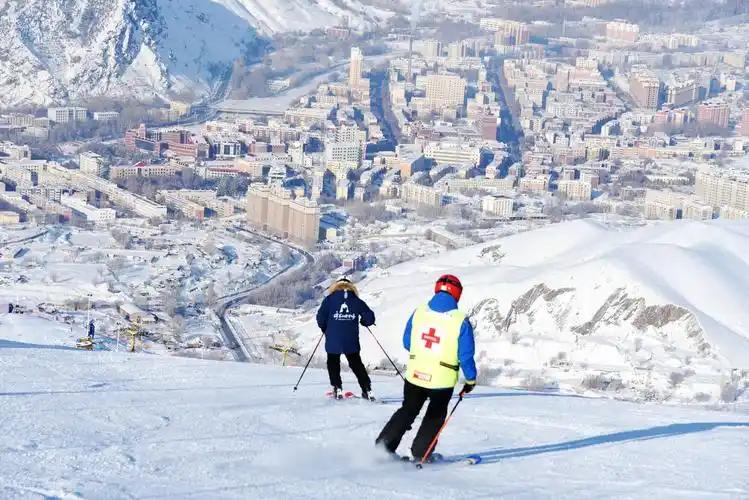
Why Ski Backcountry in Xinjiang
The appeal is simple. Resorts cap your day at closing time and fence you inside patrolled boundaries. The backcountry has none of that. In Xinjiang you can link a dawn ascent with a descent through knee-deep snow and never see a lift line. The region’s dry continental climate produces light, fluffy snow that is a joy to turn in, and the sheer scale of the mountains means there is room for everyone. Few places on earth combine this much vertical, this much snow, and this few people.
Most foreign visitors come for the Altai range near the Kazakhstan, Russia, and Mongolia borders, where the snowpack is legendary and the cultural backdrop — Tuva villages, frozen rivers, and birch forest — is unforgettable. But the Tian Shan around Urumqi and the Pamir foothills in the south also offer outstanding touring. If you are new to the region, start by reading the broader Xinjiang skiing guide to understand the lay of the land before you commit to a touring plan.
Best Zones for Backcountry Skiing
Xinjiang’s mountains are huge, so choosing the right zone matters as much as the snow itself:
- Altai Mountains (Keketuohai / Koktokay region): High alpine bowls and birch forests, the spiritual home of Chinese backcountry skiing and the most established for foreign visitors.
- Jiangjunshan and surrounding ridges: Accessible from Altay city, with mellow tree skiing that suits intermediate tourers building confidence.
- Tian Shan backcountry near Urumqi: Steeper, glaciated terrain for experienced parties who are comfortable on firm, exposed snow.
- Hemu and Baihaba villages: Picture-postcard Tuva hamlets that double as touring trailheads and offer heated homestays at the end of the day.
When you choose a zone, match it to your ability. Open alpine terrain is unforgiving in bad visibility, while forested slopes are more forgiving but carry tree-well and avalanche risks of their own. Our overview of where to ski in Xinjiang ranks regions by difficulty and access, which helps you avoid biting off more than you can chew on a first trip.
Essential Gear and How to Pack
Backcountry skiing demands different kit than resort days, and forgetting one item can end a trip. At minimum you need:
- Touring skis or a splitboard with climbing skins and uphill-capable bindings.
- Avalanche transceiver, probe, and shovel for every single member of the party — not just the lead.
- Avalanche airbag pack, strongly recommended, because it can keep you near the surface in a slide.
- Layered clothing built for cold, dry conditions; our Xinjiang ski clothing layering advice explains the exact system.
- Navigation and power: GPS, paper map, compass, and a fully charged power bank in a warm inner pocket.
Many travelers rent touring setups on arrival rather than flying heavy gear across the world. Our page on Xinjiang ski gear rental covers what is available locally and what you should still bring from home, such as your own boots and avalanche kit if you already own them.
Safety: The Non-Negotiables
Backcountry snow in Xinjiang is dry and can slab over quickly after storms, so safety is the core of any trip, not an afterthought. Never tour without:
- A qualified local guide who reads the snowpack daily and knows the terrain intimately.
- A written trip plan left with someone who will raise the alarm if you are late — including expected return time and route.
- Avalanche training at least an introductory course, so you can use your transceiver and dig efficiently under pressure.
- Reliable communication, ideally a satellite messenger, because cell coverage disappears minutes from the trailhead.
Altitude adds another layer of risk. Several touring zones start above 2,000 meters, and the combination of dehydration, cold, and thin air dulls judgement faster than you expect. Review our Xinjiang ski altitude tips before you go high, and build in rest days early in the trip to acclimatize properly.
Physical Preparation and Skills
Touring is a cardio sport disguised as skiing. You will climb with a pack for hours to earn each descent, so your fitness, not your skiing, is often the limiting factor. In the weeks before the trip, add uphill hiking, cycling, and leg strength work, and practice using skins on a local hill if you can. Learn the kick-turn before you need it on a steep, narrow ridge — it is harder than it looks. Skiers who arrive fit and practiced have a far better time and tire less, which also keeps the group safer in changing weather.
When to Go
The season runs roughly from late November to early April, with the deepest, most stable snow typically in January and February. Spring brings longer days and heavier sun crusts but also quieter hills and cheaper lodging. For a full month-by-month breakdown, including which weeks pair stable snow with good visibility, see best time to ski Xinjiang before locking in your dates.
Booking a Guide and Logistics
Foreign skiers should book guides in advance through registered outfitters, especially around holidays when local demand spikes. A good guide handles permits, avalanche forecasting, and emergency evacuation, and knows which slopes are safe on any given day. Pair your touring days with resort stays, and consider a rest day at a resort between big touring efforts to let legs recover.
Respecting the Mountains and Local Culture
Backcountry access in Xinjiang often crosses pastureland used by herders and passes near protected areas. Follow leave-no-trace principles, close gates behind you, and ask before skiing near villages. A little courtesy goes a long way and keeps access open for the next visitor. Learning a few words of Mandarin or the local dialect is appreciated and can smooth logistics in remote trailheads where English is rare.
Frequently Asked Questions
Do I need a guide for Xinjiang backcountry skiing?
Yes. Beyond safety, guides handle permits and local logistics, and they know which zones are safe after recent weather. Independent unguided touring is not advised for visitors who are new to the region.
How fit do I need to be?
You should be comfortable skiing black runs at a resort and able to climb with a pack for several hours. Touring is more tiring than resort skiing because you earn every descent, so train your cardio before you fly.
Can beginners try backcountry skiing in Xinjiang?
Beginners should start with a guided intro day on mellow forest terrain rather than committing to a multi-day hut trip. Build skills and fitness before tackling alpine lines or glacier descents.
What does a backcountry trip cost?
Guided day tours are modest; multi-day expeditions with huts, food, and equipment cost more, so budget accordingly before you commit to a longer trip.
Is the snow really that good?
For dry, light powder, yes. The continental climate keeps humidity low, so storms deliver fluffy snow rather than heavy, wet slabs — a big reason the Altai has a growing international reputation among experienced skiers.