

For skiers who measure a trip by altitude as much as quality of powder, the far west of China is the final frontier. Tibet and Sichuan skiing means slopes at elevations that would make European resorts dizzy, thin air that changes how you ski, and a backdrop of Himalayan and Tibetan-plateau peaks found nowhere else. This is niche, demanding terrain — not a beginner’s first week — but for the right visitor it is unforgettable. Read it alongside the China Skiing Guide to see where the west fits the national map and how it compares with the better-known eastern hills.
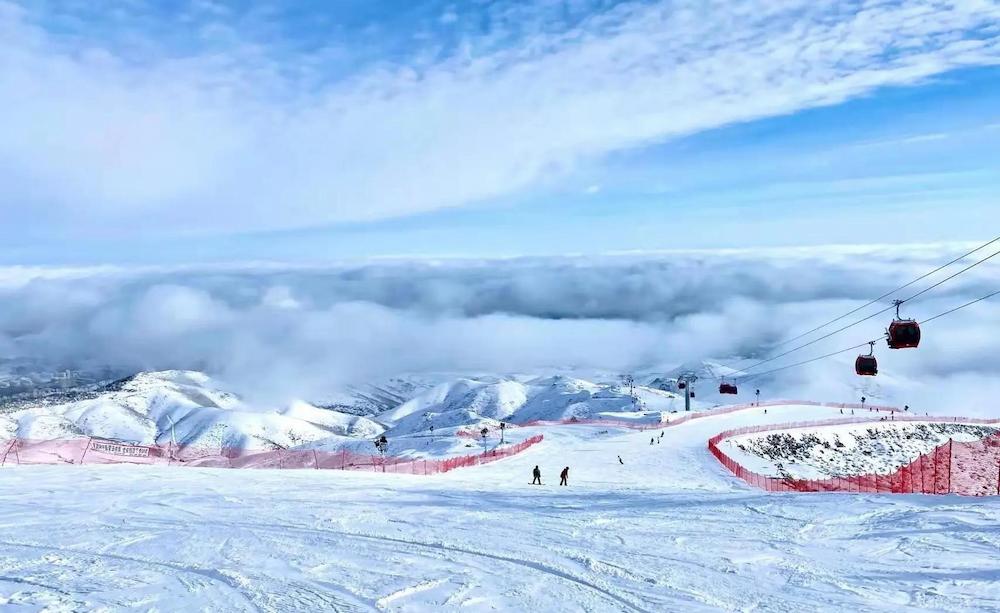
The High-Altitude Reality
The defining feature of this region is elevation. Resorts and backcountry here often start where Alpine resorts top out, and the thin air is the real challenge — even fit skiers feel it on the first day. Acclimatise before you ride, hydrate hard, and do not plan your hardest ski day on arrival. The safety and altitude guidance for Xinjiang applies with even more force here, because the plateau is higher and the medical support thinner. Respect the elevation and the west rewards you; ignore it and the trip can turn ugly fast. A good rule is to arrive two days early, do nothing strenuous, and let your body adjust before you clip into bindings at four thousand metres.
Sichuan: The More Accessible West
Sichuan is the gentler entry to high-altitude China skiing. Around Chengdu and the western mountains, resorts sit high enough to feel the thin air but are reachable, developed, and increasingly popular with domestic skiers. Snow is reliable in deep winter, terrain ranges from groomed boulevards to steep alpine faces, and the cultural mix — Tibetan, Han, and minority cultures — makes off-slope days rich. Sichuan is where most visitors should start before considering Tibet itself, and it pairs naturally with a Xinjiang skiing trip as a second western region, letting you compare the dry Altai powder with the high, bright Sichuan snow in a single longer journey.
Tibet: The Extreme Edge
Tibet takes the altitude to its logical limit. A few slopes operate near Lhasa and the southern mountains, but infrastructure is minimal, seasons are short, and the oxygen is scarce. This is expedition-style skiing more than resort skiing: you go for the achievement and the scenery, not the lift-served comfort. Most international visitors are better served by Sichuan or Xinjiang unless they have a specific Tibetan objective and the fitness and permits to match. The best resorts overview lists the west’s developed options honestly, and the takeaway is that Tibet is a bucket-list capstone rather than a place to learn — save it for when the altitude no longer frightens you.

Snow and Season
The window is shorter and colder than the northeast or Xinjiang, roughly December to March, with the deepest snow in January and February. Because the plateau is so dry, snow stays light, but wind and whiteout close slopes more often than at lower resorts, and storms roll through fast. The China ski season guide maps the western window against the rest of the country; build buffer days, because a plateau storm can lock you down for more than a morning. Lower, developed Sichuan hills are the more dependable bet within the region, and even there a clear summit day is a gift to be seized rather than assumed.
Getting There and Logistics
Chengdu is the sensible gateway to Sichuan, with strong flight links and a fast rail web into the mountains. Tibet requires permits and flights into Lhasa, plus time to acclimatise before any exertion. Within both areas, resorts are farther apart and transfers longer than Xinjiang’s clusters, so a car or organised transfer is near-essential. Plan less skiing and more travel than you would in the Altai, and keep the China Skiing Guide open for the wider transport picture, because missing a connection out west can mean an unscheduled rest day at altitude — which, given the air, is not the worst thing but is best planned rather than suffered. A satphone or offline maps app is worth loading before you leave the gateway city, because signal on the plateau is patchy and help can be far away when weather turns. Give your hotel your daily plan each morning and agree a check-in time, so a delay triggers a response sooner rather than later.
Who It’s For
- Fit, experienced skiers: altitude and terrain demand both, and the margin for error is thinner.
- Scenery chasers: Himalayan and plateau views found nowhere else in China.
- Adventure travellers: thin infrastructure is part of the appeal, not a bug.
- Not first-timers: start in Sichuan; leave Tibet for later, once the air agrees with you.
For most international visitors, Sichuan is the realistic taste; Tibet is the bucket-list extreme. Compare both with Harbin and the northeast if you want a lower, easier contrast before committing to the roof of the world.
Safety and Preparation
Altitude sickness is the headline risk — ascend slowly, sleep low, and descend if symptoms persist. The Xinjiang ski safety and altitude guide is the closest practical template, and its advice about pacing, hydration, and recognising early symptoms applies directly to the higher west. Sun is fierce at altitude, so block and glasses matter more than at lower resorts. Cold is extreme but dry, much like Xinjiang’s Altai, so the packing list is a good gear template even out west. Tell someone your route, carry a charged phone, and avoid solo backcountry until you know the terrain and the air.
How It Compares With Xinjiang
Xinjiang wins on access, infrastructure, and crowd-free powder at a lower altitude that is easier on the body. The west wins on sheer drama and the achievement of skiing the roof of the world. Many serious China skiers do both: Xinjiang for the best snow-to-effort ratio, Sichuan or Tibet for the high-altitude capstone. The resorts overview ranks them honestly by what each delivers, and the pattern is consistent — Xinjiang for the skiing, the west for the story you tell afterwards. Together they make China the most varied ski destination on the planet, from sea-level-ish groomers to thin-air Himalayan faces.
Frequently Asked Questions
Is Tibet skiing for beginners?
No. Altitude and minimal infrastructure make it expert-only. Start in Sichuan or Xinjiang. The guide explains the regional split and where each skill level fits best.
How high are these resorts?
Often higher than Alpine resorts top out; the thin air is the defining challenge and needs acclimatisation, proper pacing, and respect for early symptoms.
When is the season?
Roughly December to March, deepest in January–February. The season guide has the detail and explains why the west closes more often in storms.
Is Sichuan or Tibet better to visit?
Sichuan is more accessible and developed; Tibet is the extreme edge for fit, permitted travellers. Most visitors get their high-altitude fix in Sichuan and leave Tibet for later.
How does it compare with Xinjiang?
Xinjiang is easier, lower, and better serviced; the west is higher and wilder. Both are covered in the overview, which ranks them by what each truly delivers.
What gear do I need?
Cold, dry-altitude kit like the Altai — see the packing list — plus strong sun protection and altitude medication as a precaution for the thinner air.