

Winter in China is not only about the skiing; it is also one of the best places on earth to experience snow and ice festivals on a grand scale. From the famous illuminated sculptures of the northeast to quiet frozen-lake celebrations in the west, these events turn a ski trip into a fuller cold-season adventure. For foreign visitors, pairing a few festival days with slope time gives a taste of local culture that pure resort holidays miss. The art is scheduling so the festivals enhance rather than exhaust your skiing and leave energy for the mountains.
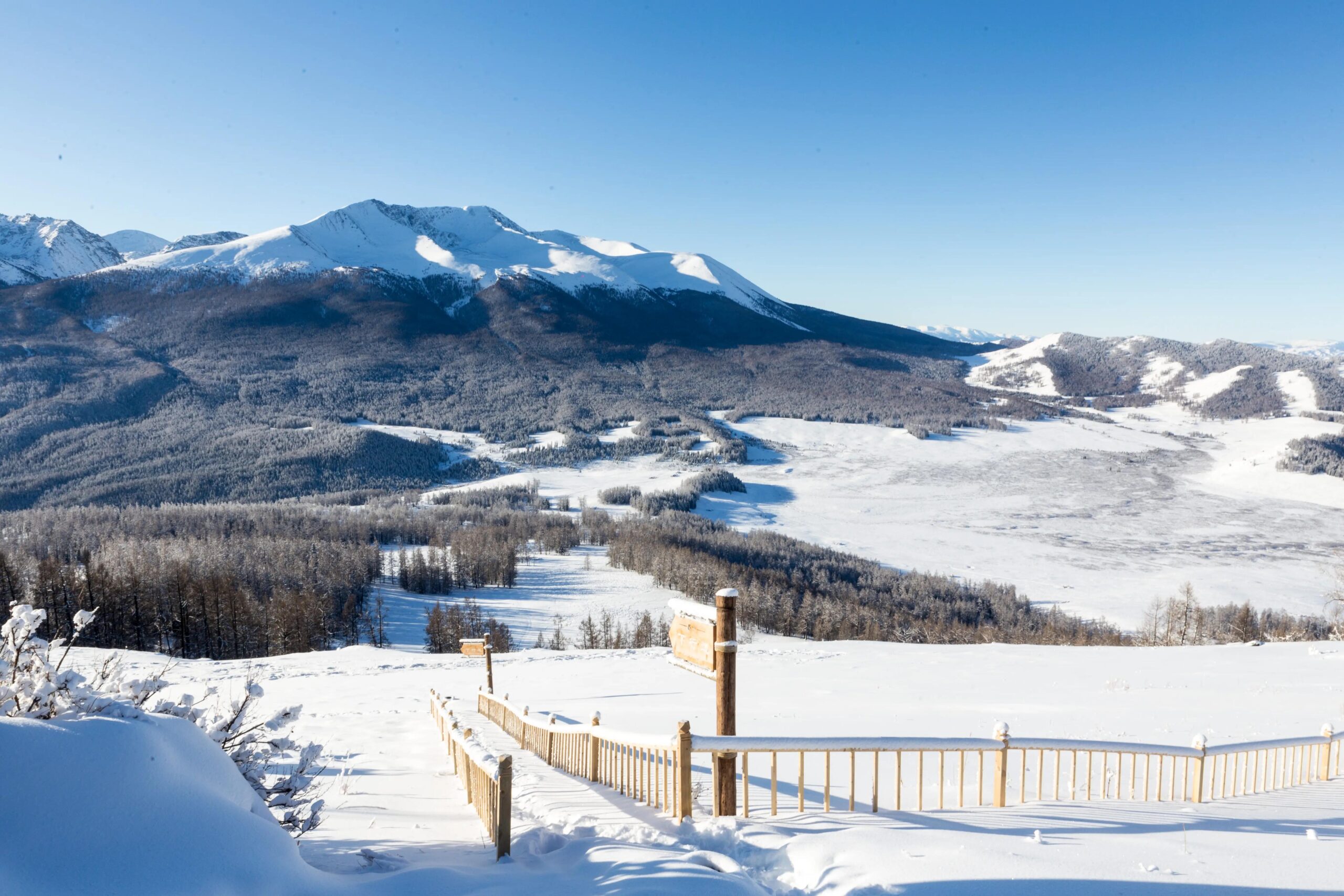
The Harbin Ice and Snow Festival
Harbin’s festival is the headline act: enormous ice towers lit from within, snow sculpture parks, and evening walks through frozen galleries. Skiers often combine it with nearby slopes, and our Harbin skiing and ice festival guide explains how to split days between the city displays and the pistes. Dress very warmly; temperatures there can be brutal even for experienced cold-weather travelers who know how to layer.
The festival runs through the deep winter, so timing your visit with good snow elsewhere is possible. Many visitors ski Harbin-area hills by day and explore the illuminated ice at night, a rhythm that suits both photographers and powder seekers who want culture alongside their carving.
Yabuli and the Northeast Ski Circuit
Not far from Harbin, Yabuli is one of China’s oldest and largest ski areas, often bundled with festival trips. The Yabuli ski resort overview covers its long trails and Olympic heritage, making it a natural base if you want serious skiing alongside the ice sculptures. The northeast combines culture and credible terrain better than almost anywhere else in the country for a first visit.
Beyond Yabuli, smaller Heilongjiang and Jilin resorts offer quieter slopes and their own winter festivals, including lantern parades and ice fishing. These are less crowded than Harbin’s headline sites and give a more local feel for winter celebration away from the biggest tourist crowds and bus tours.
Beijing and Northern City Festivals
The capital region pairs convenient Beijing ski resorts with seasonal ice rinks and temple fairs during the lunar new year. For skiers on a tight schedule, basing near Beijing means world-class transport links plus a taste of festival culture without a long haul north. Evening fairs with food stalls and performances are easy half-day add-ons to a ski weekend in the city.
City festivals are more tame than Harbin’s ice city, but they are accessible and family-friendly. If your trip is short and centered on one metropolis, this is the lowest-effort way to combine skiing with winter celebration and still sample local food and traditions without extra flights.
Western Festivals: Xinjiang and Kanas
Xinjiang offers a different flavor: vast snowy landscapes, Kazakh and Uyghur winter traditions, and far fewer crowds than the northeast. The Xinjiang ski resorts sit within reach of cultural events and frozen-lake scenery that feels worlds away from city ice parks. For skiers who prioritize terrain and space, the west is compelling and refreshingly uncrowded.
Near Kanas, winter brings a near-silent fairy-tale forest and ice formations on the lake. The Kanas Lake winter skiing guide describes how to experience both backcountry beauty and local hospitality, a combination unique to this remote corner of China that few foreign visitors ever reach.
Timing Your Festival and Ski Trip
Festival dates are fixed by season and lunar calendar, so build your ski days around them rather than the reverse. Our best time to ski Xinjiang guide helps you align reliable snow with travel windows, so you are not choosing between good festivals and good powder. Booking festival-period lodging early is essential, as nearby rooms sell out fast.
Give yourself buffer days. Cold snaps can close lifts, and festival crowds can jam transport. A flexible plan with one or two open days keeps the trip relaxed instead of rushed between events and slopes, and lets you chase the best snow when it arrives.
What to Pack for Festivals and Slopes
Festival evenings are far colder than ski days because you stand still while admiring sculptures. Pack insulated boots, hand warmers, and a down layer you can throw on over your ski jacket. For the slopes themselves, normal resort kit suffices, but if you plan to photograph ice parks at night, a power bank matters, since cold drains batteries fast and you will want shots of the lit towers.
Bring a small daypack for festival days with water, snacks, and spare gloves, since vendors inside large ice parks can be pricey and spread out. The best time to ski Xinjiang advice also covers typical temperatures, which helps you pack the right insulation for both activities without overburdening your luggage on the flight.
Photography and Local Etiquette
Ice and snow festivals are spectacular to photograph, especially at blue hour when the lights switch on. Tripods help but crowds are thick, so a steady hand and higher ISO works. Ask before photographing locals in traditional dress, and respect any roped-off sculpture areas; the displays are fragile and costly to repair. A little courtesy goes a long way toward warm interactions with residents.
At ski resorts, basic slope etiquette applies: control your speed near beginners, yield to the skier below, and avoid stopping in the fall line. Festival crowds spill onto nearby slopes during holidays, so extra patience keeps everyone safe and the atmosphere friendly for visiting families on the mountain.
Sample North-East vs West Plans
A north-east plan might be: fly to Harbin, spend two evenings at the ice festival, ski Yabuli for three days, then return via the Yabuli ski resort for a final morning before flying out. It is compact, culture-heavy, and great for first-timers who want the famous ice city experience alongside credible skiing in one trip.
A west plan flips the priority: base in Xinjiang for longer ski days, visit a local winter festival or Kanas, and treat culture as the accent rather than the headline. The Kanas Lake winter skiing option suits those who value quiet terrain and vast scenery over crowded city events. Both work; choose by whether festivals or powder leads your trip.
Frequently Asked Questions
Which China snow festival is best for skiers?
Harbin pairs the most famous ice festival with nearby Yabuli skiing, making it the top pick for a combined trip. Xinjiang suits those who prefer terrain and culture over crowds, while Beijing offers convenient short breaks with smaller festivals nearby for families.
When do Chinese ice festivals happen?
Most run through deep winter, generally from late December into February, with peak displays around the lunar new year. Exact dates shift with the calendar, so check the year’s schedule before booking flights and lodging for your visit.
Can I ski and see festivals in one trip?
Yes, easily. Base near Harbin or Beijing and split days between slopes and events, or tour Xinjiang for festivals plus powder. Plan buffer days so weather or crowds do not derail either activity during your stay in China.
Are festivals family friendly?
Most are, with lights, sculptures, and food stalls that delight children. Harbin gets extremely cold, so dress kids in serious layers and limit outdoor time. City fairs are gentler for young families and easier to leave quickly if needed.
Do festivals affect ski resort crowds?
Around major holiday weeks, yes, slopes and transport get busier and lodging prices rise. Skiing midweek or outside peak festival weekends keeps the mountains calmer while festivals remain open for you to enjoy at a slower pace.