

Yunnan is famous for rice terraces, old tea-horse towns and eternal spring weather — not for skiing. Yet the province’s northwest corner rises into the eastern edge of the Himalayas, and peaks like Jade Dragon Snow Mountain (5,596 m) carry glaciers and winter snow within sight of subtropical valleys. So can you actually ski in Yunnan? The honest answer: a little, in a very particular way. This guide explains what Yunnan’s glacier parks and small snow slopes really offer, who they suit, how to handle the serious altitude, and when you should instead point your ski bag toward the true winter destinations covered in our China skiing guide.
What “Skiing in Yunnan” Actually Means
Set expectations first. Yunnan has no large lift-served ski resort in the sense of Chongli or Altay. What it has are three kinds of snow experience:
- Glacier sightseeing parks — cable cars to 4,500+ meters on Jade Dragon Snow Mountain and Shika Snow Mountain, where the point is standing on high snow, not descending it.
- Small snow-play slopes — short beginner runs and toboggan areas that operate seasonally near Lijiang and Shangri-La, with basic rental gear.
- Backcountry potential — serious ski mountaineering objectives on peaks like Haba Snow Mountain (5,396 m), for experienced parties with guides and permits only.
If your trip is primarily a Yunnan cultural journey and you want a snow day inside it, the province delivers something memorable. If your trip is primarily about skiing, Yunnan is a detour, not a destination.
Jade Dragon Snow Mountain: The Glacier Icon
Twenty minutes from Lijiang’s old town, Yulong (Jade Dragon) Snow Mountain is the most visited snow experience in southern China. The Glacier Park cable car climbs to a viewing platform at 4,506 meters, where walkways lead along the edge of the Baishui Glacier No. 1 — one of the southernmost glaciers in the northern hemisphere. On clear winter mornings the view across thirteen jagged peaks is genuinely world-class.
A small ski and snow-play area has operated on the mountain’s flank in past seasons, offering short beginner slides with rental sleds and basic skis. Availability varies year to year with snow cover and conservation rules, so treat any skiing here as a bonus rather than the plan. Entry to the scenic area plus the big cable car costs roughly RMB 280–400 depending on season and combo tickets; book on the official WeChat channel a day ahead in peak months.
Handling 4,500 Meters
The altitude is the real challenge. Most visitors sleep in Lijiang at 2,400 m and ascend more than two vertical kilometers within an hour. Walk slowly on the platform, skip alcohol the night before, and consider the canister oxygen sold at the base if you feel lightheaded. Anyone with heart or lung conditions should consult a doctor first. Children and older travelers usually manage fine at a gentle pace.
Shika Snow Mountain and the Shangri-La Plateau
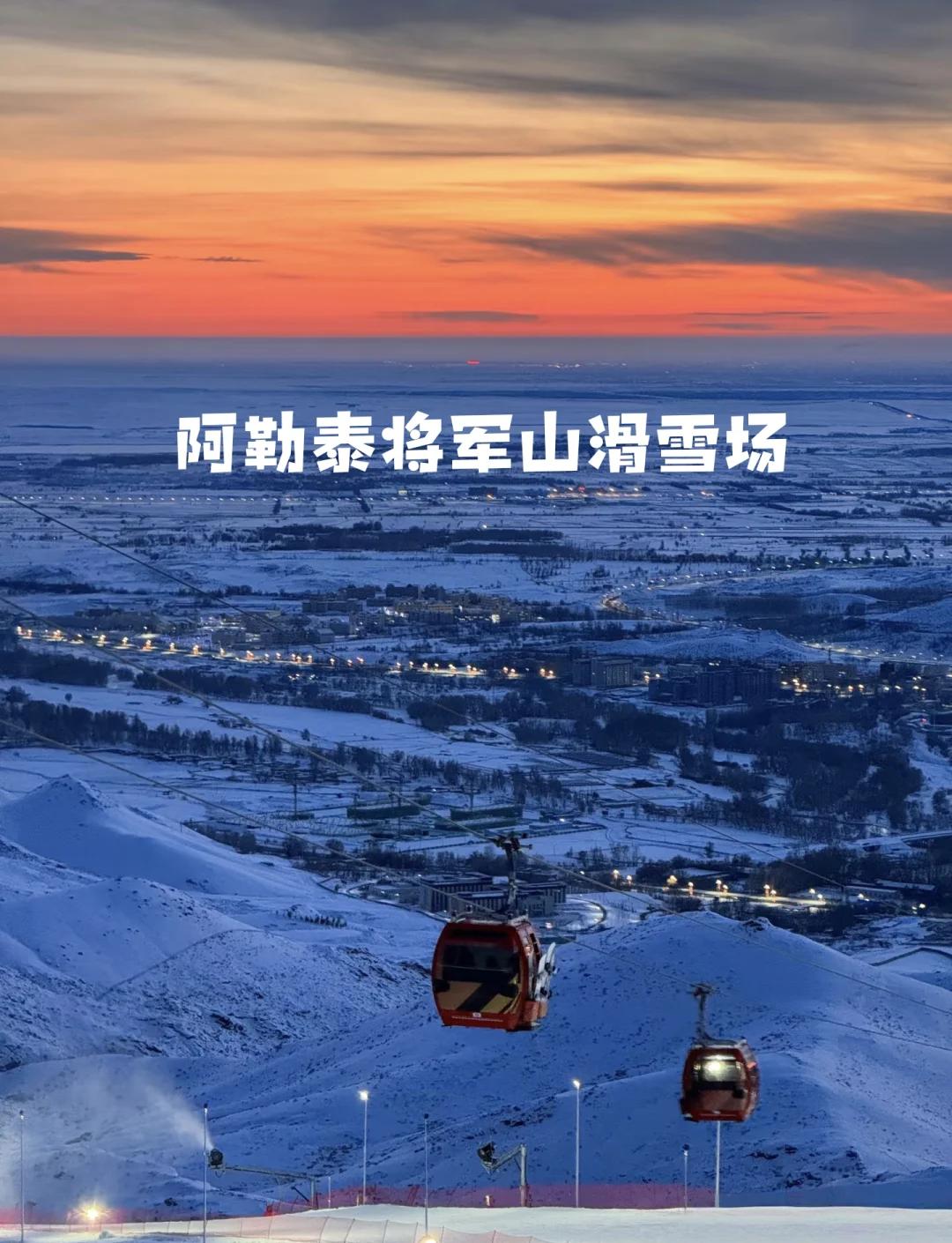
Three hours north of Lijiang, the city of Shangri-La (Diqing prefecture, 3,280 m) is Tibetan-plateau country. The Shika Snow Mountain cable car rises to 4,449 meters for panoramas over the Three Parallel Rivers region, and winter snowfields near the summit last from December into March. Local operators have run small ski-and-snow-play areas on the plateau in recent winters. Combined with Songzanlin Monastery and winter birdwatching at Napa Lake, Shangri-La makes a superb two-day high-altitude add-on — just acclimatize in Lijiang first.
When Yunnan Works — and When It Doesn’t
Choose Yunnan snow experiences if:
- You are already touring Lijiang, Dali or Shangri-La in winter and want a glacier day;
- You travel with non-skiers who want photos and snow play, not lift laps;
- You want mild valley weather (Lijiang winter days often reach 12–15°C) between mountain outings.
Skip Yunnan for skiing if your goal is actual mileage on skis. The runs are short, snow is thin and wind-affected, and equipment is entry-level. A dedicated ski trip is far better spent at the powder fields of Altay — start with the Xinjiang skiing guide to see what a full week there looks like — or at the big northeastern resorts. Season length matters too: Yunnan’s high-altitude snow window is roughly December to early March, while northern regions run far longer, as our breakdown of the China ski season length shows in detail.
Practical Planning
- Getting there: Fly into Lijiang (LJG) or Diqing/Shangri-La (DIG); both connect through Kunming. High-speed rail now links Kunming to Lijiang in about 3 hours.
- Best months: December–February for the most snow and clearest skies; November and March are shoulder gambles.
- What to bring: Sunglasses or goggles (UV at 4,500 m is fierce), sunscreen, a warm layer for the summit even when the valley is mild, and any personal altitude medication.
- Tickets: Jade Dragon entry caps daily visitors; reserve the Glacier Park cable car in advance during Chinese holidays.
- Combining regions: A popular winter route pairs a Yunnan culture week with a flight north for real skiing — or, near Beijing, the Olympic slopes described in our Zhangjiakou skiing guide.
For Serious Mountaineers: Haba Snow Mountain
One genuine ski objective does exist in Yunnan for expert parties: Haba Snow Mountain, a 5,396-meter peak across the Yangtze gorge from Jade Dragon. It is one of the most accessible 5,000-meter summits in China, with a non-technical normal route that experienced ski mountaineers have descended in spring conditions. A typical program takes four days from Lijiang with a licensed local guiding outfit, acclimatization night at base camp around 4,100 m, and a summit push starting before dawn. This is real mountaineering — crampons, rope on the upper glacier field, and weather that closes fast — not resort skiing, and it should only be attempted with guides, proper insurance and prior high-altitude experience. For everyone else, the cable-car glacier parks deliver the summit feeling with none of the risk.
Yunnan vs. Xinjiang: A Quick Reality Check
Yunnan gives you glaciers, Tibetan culture and 4,500-meter viewpoints with almost no cold-weather suffering in the valleys. Xinjiang gives you −20°C powder mornings, 1,000-meter descents and some of the longest natural seasons in Asia. They are different sports. Travelers with two winter weeks in China often split them exactly that way: culture and glacier photography in the southwest, then serious turns in the northwest during the window flagged in our guide to the best time to ski Xinjiang.
Frequently Asked Questions
Can you really ski on Jade Dragon Snow Mountain?
Sometimes. A small snow-play and beginner ski area has operated in past winters, but it depends on snow cover and conservation policy each season. Treat the glacier cable car as the main event and any skiing as a bonus.
Is altitude sickness a serious risk in Yunnan’s glacier parks?
It is the main risk. Platforms sit at 4,400–4,500 meters. Ascend slowly, stay hydrated, use supplemental oxygen if needed, and descend promptly if headaches or nausea build.
What is the best month for snow scenery in Yunnan?
January. It combines the deepest snow on the peaks with a high probability of clear blue-sky mornings around Lijiang and Shangri-La.
Is Yunnan cheaper than a northern China ski trip?
The mountain-day costs are lower (RMB 300–500 per glacier visit versus RMB 500+ per resort ski day), but flights to Yunnan and back north add up. As a pure ski value proposition, northern resorts win.
Can beginners learn to ski in Yunnan?
Not meaningfully. Slopes are too short and equipment too basic for real progression. Beginners are far better served by resort ski schools in Chongli, the northeast, or Xinjiang.