

China’s ski event calendar has exploded since the Winter Olympics put the country on the global map. Whether you want to watch elite athletes or enter a local fun race, this post-Olympic ski development era means more competitions, better venues, and easier access for visitors. This guide covers the marquee events, where they happen, and how a foreign skier can take part or simply enjoy the atmosphere.
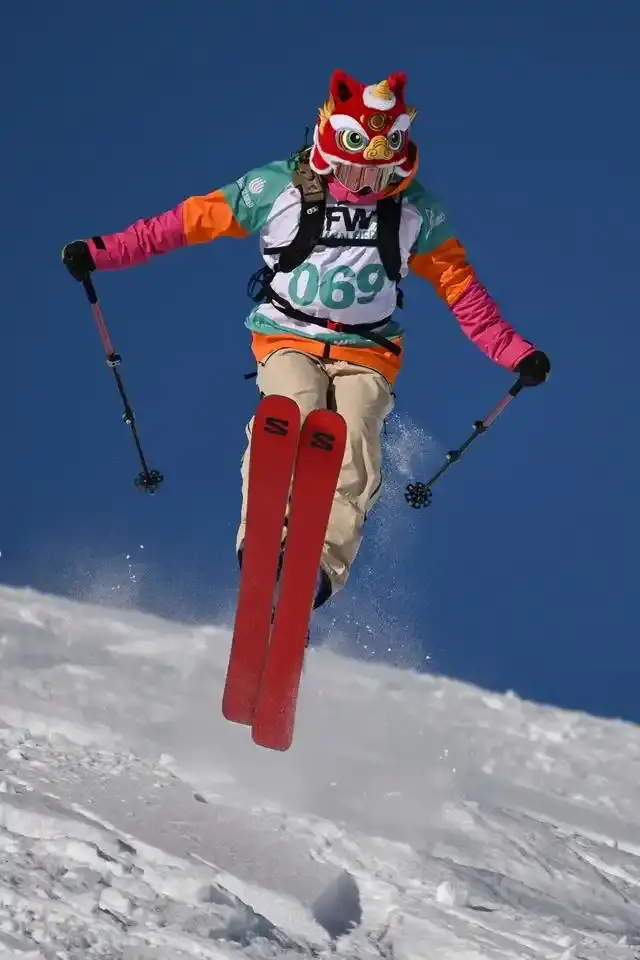
The Marquee International Events
China now hosts stops on the international alpine and freestyle calendars. World Cup events draw global broadcasters and give spectators a chance to see world-class skiing without leaving Asia. The most famous venues sit in Zhangjiakou and the northeast, where legacy Olympic courses remain in active use.
If you plan a trip around a specific competition, book early. The Zhangjiakou ski guide explains how to reach the Olympic zones and what to expect during event weeks, when crowds and prices rise.
Regional Hotspots for Racing
Heilongjiang and Jilin have the deepest race tradition. Harbin and Yabuli regularly stage national championships and university meets. The Heilongjiang ski guide and the Jilin ski guide both map the resorts that double as competition venues in winter.
These provinces treat skiing as heritage, not novelty. Local races date back decades, and the standard of grooming and timing at host resorts reflects that experience. For a visitor, attending a regional event is often more relaxed and more authentically local than the headline World Cups.
Grassroots and Amateur Races
You do not need to be an elite athlete to feel the competitive buzz. Resorts across China run fun races, dual slaloms, and seasonal championships open to guests. The 2026 resorts map is a handy way to spot mountains near you that advertise weekly or holiday events.
Amateur events usually welcome intermediate skiers. Formats like giant slalom and boardercross are common, and many include a costume or family category. They are a low-pressure way to meet local skiers and test your own progress.
Freeski, Snowboard, and Big-Air
Freestyle is where Chinese skiing has grabbed global attention. Halfpipes, slopestyle, and big-air parks now anchor major events, and several resorts build terrain parks sized for competition. The Tibet and Xizang skiing guide even points to high-altitude spots experimenting with extreme-format gatherings.
If you ride rather than carve, look for snowboard-jam sessions and rail jams. These have a festival feel, with music and food, and they are often free to watch.
How to Watch or Join as a Foreign Visitor
Watching is straightforward: buy a spectator pass where required, arrive early for parking, and check whether the resort runs shuttle buses on event days. Joining usually means registering through the resort or a local ski club before the season. Bring your passport and proof of ability if the race has a level requirement.
Language can slow registration, so ask your hotel or instructor to help, or use a resort app with translation. Small events are flexible; big ones need advance sign-up.
Planning Around the Calendar
The season runs roughly December through March, with the densest schedule in January and February. Avoid the Spring Festival week if you want lower prices, but embrace it if you want the liveliest atmosphere. Shoulder months offer quieter slopes and the same venues without the queues.
Major Venues Worth Knowing
A handful of mountains define the competitive landscape. Genting Snow Park and Thaiwoo near Zhangjiakou hosted Olympic freestyle and snowboard events and still stage international fixtures. In the northeast, Yabuli and Beidahu are historic race venues with the infrastructure to run large fields smoothly. Knowing which resort is hosting helps you choose where to base your trip, since nearby towns fill with athletes, coaches, and fans during event weeks.
The Olympic Legacy Effect
The 2022 Games left more than medals. Refitted venues, trained volunteers, and a domestic broadcast habit all make events easier to attend and follow. Many legacy courses now open to the public outside competition, so you can ski the same slope the pros raced. That blend of spectating and participation is unique to this moment in Chinese skiing and worth building a trip around.
Tips for First-Time Spectators
Dress for cold and standing, since you may watch from a windy finish area rather than a heated stand. Arrive at least an hour early to clear security and find your section. Download the resort or event app for live results, and carry cash as a backup even though cards dominate. If you hope to meet athletes, the public mixed zones after smaller races are friendlier than the tight security at marquee World Cups.
Spectator Culture and Local Flavor
Chinese ski events blend sport with festival. Food stalls, sponsor zones, and evening shows often surround a race weekend, turning a single competition into a full day out. Vendors sell roasted sweet potatoes, skewers, and hot drinks that keep the crowd warm between runs. Embrace the chaos: some of the best moments happen off the course, among local fans who treat a home race as a community celebration rather than a quiet spectator sport.
How Events Strengthen Local Resorts
Hosting a competition forces a resort to upgrade, and those gains stay long after the banners come down. New lifts, better snowmaking, and trained staff built for a World Cup later serve ordinary guests. That is why following the event calendar is also a shortcut to finding well-run mountains. A resort that impressed officials one winter will likely impress you the next, with the same grooming standards and safer slopes available to everyone.
Combining a Race with Your Own Ski Holiday
The smartest trips pair spectating with skiing. Book a few days around an event so you can watch the pros one morning and ride the same mountain that afternoon. Midweek slots between race days are usually quiet, giving you empty groomers while the competitors rest. This hybrid plan delivers the energy of a live event and the satisfaction of your own runs, often for less than a dedicated festival trip abroad.
Frequently Asked Questions
What are the biggest ski events in China?
World Cup stops in alpine and freestyle disciplines lead the calendar, centered on Olympic legacy venues in Zhangjiakou and the northeast. National championships and university meets follow closely behind.
Can a tourist enter a ski race in China?
Often yes. Many resorts run amateur fun races open to guests of intermediate level or above. Register in advance through the resort or a local club, and bring your passport.
When is the Chinese ski competition season?
Most events fall between December and March, peaking in January and February. A few indoor venues host summer freestyle sessions, but the outdoor calendar is winter-only.
Are events expensive to attend?
Spectating is usually cheap or free, especially at grassroots races. Major international events may charge for premium seating, and nearby lodging costs more during event weeks.
Do I need to speak Chinese to join?
Not necessarily. Resort apps and staff at larger mountains often handle basic registration in English. For small local races, ask your instructor or hotel to help with sign-up.
Which region is best for watching skiing?
The northeast offers the deepest tradition and the biggest crowds; Zhangjiakou gives the most polished Olympic legacy experience. For atmosphere and value, a regional Jilin or Heilongjiang event is hard to beat.