

Bayanbulak is one of the most photographed places in Xinjiang between June and September, when the Kaidu River loops across green meadow and the sun appears to split into multiple reflections at the Nine Bends viewpoint. Almost nobody comes in January. That is exactly the argument for going. The same basin in winter is a silent white wetland with a frozen river drawn across it in clean curves, a few hundred swans holding out at unfrozen spring-fed pools, and viewing platforms you will often have entirely to yourself.
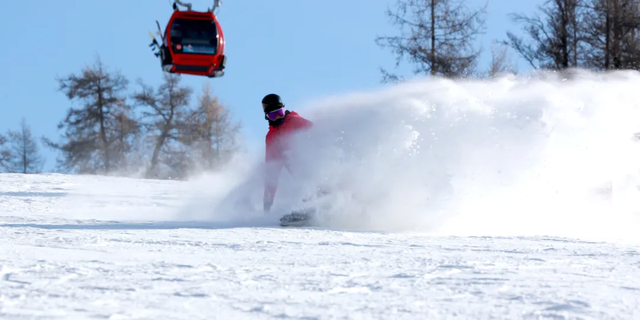
Be clear about what this trip is, though. Bayanbulak has no ski resort. Winter here is photography, wildlife and snow-grassland driving, not lift-served skiing. If skiing is the point of your trip, build it around the areas covered in our guide to where to ski in Xinjiang and treat Bayanbulak as a two-day detour from the same region.
Where it is and why it matters
The grassland lies in Hejing county, in the Bayingol Mongol Autonomous Prefecture, inside the Yulduz basin in the central Tianshan. It covers roughly 23,000 square kilometres of high, cold alpine meadow at around 2,500 metres, making it one of the largest intermontane basins in the range. It is part of the Xinjiang Tianshan World Natural Heritage property, a national nature reserve, and China’s largest wild swan breeding ground — the southernmost regular breeding limit for wild swans anywhere in the world.
That last fact is the reason winter visits work. Most of the breeding population leaves, but a portion of the birds stay, concentrated where warm springs keep water open even at deep-freeze temperatures. Alongside them you will usually find black-headed gulls. For anyone interested in the wider picture, our overview of winter birdwatching around Xinjiang’s ski regions puts this in context with the swan sites nearer Ili.
What you actually see in winter
The Nine Bends, frozen
In summer the Nine Bends viewpoint is famous for sunset reflections in the meandering Kaidu River. In winter the river ices over and the meanders read as pale ribbons laid across a flat white plain. At sunset the ice picks up gold and pink, and the whole basin flattens into graphic lines rather than the busy green of the warm months. It is a different photograph, and arguably a stronger one.
Swans on snow
The swan areas — the Swan Home site and the rescue station — are where the birds cluster. Long glass matters: 200 millimetres is a sensible minimum, and more is better. Feeding is sometimes possible with feed purchased on site; follow staff instructions rather than improvising, since this is a protected reserve.
Mongol culture and the Barun temple
Bayanbulak is Mongol country, with Torghut heritage rooted in the eighteenth-century eastward return that remains central to local identity. The Barun temple sits on the shuttle route and is quiet and largely empty in winter. The horse-racing ground nearby is dormant in the cold months but appears in local festival programming.
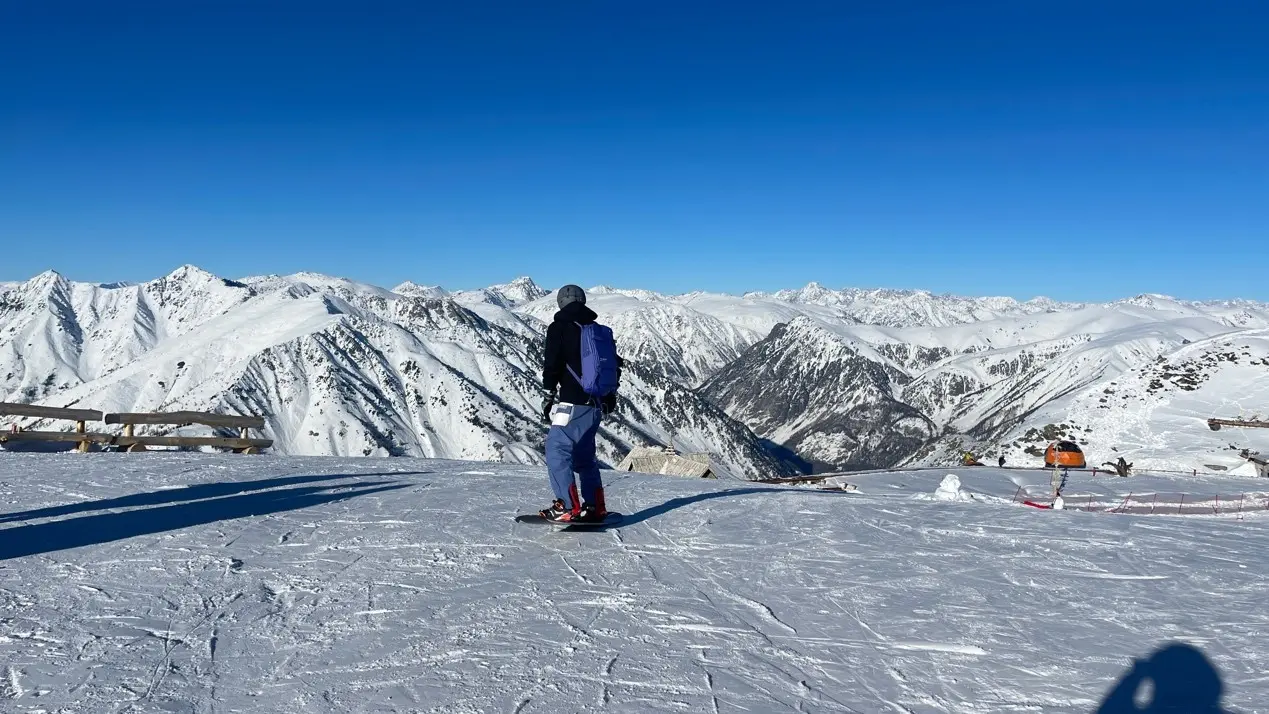
Getting there — the part that trips people up
The single most common planning mistake is assuming you can drive in from northern Xinjiang along the Duku Highway. The Duku Highway is closed in winter and opens only in sections from roughly May to October. In the cold season you must approach from the south or west:
- From Korla or Yanqi: the standard winter route, using the expressway network and then the G218 and S321 toward Bayanbulak town.
- From Nalati: feasible when the road is clear, generally around two to three hours depending on conditions — a useful link if you are already skiing in the Ili Valley near the Nalati ski resort.
- From Urumqi: roughly seven to eight hours by car via the expressway to the south of the range, then G218 and S321.
- Public transport: rail to Korla or Yanqi, then long-distance bus to Hejing and a county service to Bayanbulak town. The prefecture has also run a seasonal “Tianshan Bus” tourist line linking Yanqi, Bohu, Korla and Hejing in winter.
Whichever route you take, use a four-wheel-drive vehicle and preferably a local driver. Road conditions vary sharply with weather, and this is not terrain to learn winter driving on. Note also that the grassland lies about 338 kilometres from Hejing county town itself, so “Hejing” on a map is not a short hop from the viewpoints.
Tickets, opening hours and winter access
Published 2026 rates put the gate ticket at 65 yuan with a mandatory shuttle at 62 yuan; the official channel also lists a combined gate-plus-shuttle ticket at 140 yuan, and self-drive entry carries a vehicle service fee of around 62 yuan. Standard hours are 08:30 to 19:00. Concessions are extensive: free entry for visitors 65 and over with half-price shuttle, half-price gate tickets for ages 60 to 64 and for students under 18, and free entry for serving military and police.
The critical winter caveat: the scenic area operates phased, capacity-limited opening in the cold season, and some facilities and activity operators shut down entirely. Confirm current status before committing to a long drive — the management committee publishes updates and the scenic area answers enquiries by phone. Drone flying is prohibited across the reserve.
Bayingol’s winter incentives — worth knowing
The prefecture runs an unusually generous winter promotion, typically from 15 December to 31 March, and several elements are directly relevant:
- Ten A-grade scenic areas operate a multi-day ticket: with ID and your original ticket you may re-enter within three days at no extra gate charge, shuttle excluded.
- A ticket stub from any 5S-grade ski resort in Xinjiang earns a half-price gate ticket. If you are skiing at a top-tier resort earlier in the trip, keep the stub.
- Visitors arriving from outside Xinjiang by air or rail can claim half-price gate tickets with ID and travel documents.
- Xinjiang-registered visitors get free first-gate entry; school students get free entry during the winter holiday.
- Dozens of hotels list fifty percent off rack rates, with restaurant and fuel discounts alongside.
The prefecture has also published an ice-and-snow economy action plan for 2026 to 2028 that names the four northern counties plus Korla as its priority zone, with snow football, ice marathons, ice sailing and carnival events, plus subsidies for charter flights and branded tourist trains. Practically, that means facilities in this corner of Xinjiang are improving year on year. The nearest actual pistes are covered in our Korla and Bayingol ski areas guide.
Staying, eating and staying warm
Bayanbulak town has a modest cluster of guesthouses and small hotels; the reliable ones advertise underfloor heating, which is not a luxury at this elevation. Mongol-style guesthouses offer felt-tent rooms alongside standard doubles. Some in-park accommodation closes for the season, so verify before booking. An alternative is to sleep lower at Nalati and make a long day trip, which trades driving hours for warmth and comfort.
Kit for real cold: heavy down, waterproof insulated boots with grip, hat, gloves, neck cover and a face covering for the viewing platforms, where wind chill is severe. Chemical hand warmers and a vacuum flask are genuinely useful. Camera batteries drain fast — carry spares inside your jacket. For a broader picture of what else moves across these landscapes in the cold months, see our notes on winter wildlife around Xinjiang’s mountains.
A workable two-day plan
- Day one: drive in from Korla or Nalati, arriving early afternoon. Visit the swan areas first while light is good, then position at the Nine Bends platform for sunset. Overnight in Bayanbulak town.
- Day two: re-enter at opening for mist and sunrise over the snow, walk the town, then drive out after lunch.
Set expectations honestly: fewer services, colder conditions and less to “do” than in summer, in exchange for solitude and light you cannot get in the busy season. If that trade appeals, it belongs on a Xinjiang winter itinerary — and our main Xinjiang skiing guide will help you frame the ski half of the trip around it.
Frequently Asked Questions
Is Bayanbulak open in winter?
Partially. The scenic area runs phased, capacity-limited opening in the cold season, with standard hours around 08:30 to 19:00 and some facilities closed. Always confirm current status with the management committee before travelling.
Can I reach Bayanbulak on the Duku Highway in January?
No. The Duku Highway closes for winter and reopens only in sections from about May to October. Winter access is from Korla or Yanqi, or across from the Nalati direction when conditions allow.
Are there really swans there in winter?
Yes. A portion of the population overwinters at spring-fed stretches that stay unfrozen, concentrated around the Swan Home area and the rescue station, usually alongside black-headed gulls. Bring a lens of at least 200 millimetres.
How much does entry cost?
Published 2026 figures are a 65 yuan gate ticket plus a 62 yuan mandatory shuttle, with a 140 yuan combined ticket listed officially and a self-drive vehicle fee of about 62 yuan. Prefecture-wide winter promotions can cut the gate price sharply — including half price on production of a 5S ski resort ticket stub.
Can I combine Bayanbulak with a ski trip?
Yes, and it is the sensible way to do it. Pair it with the Ili Valley resorts to the west or the Korla-area ski areas to the south, using Bayanbulak as a two-day non-skiing interlude rather than a destination in its own right.