

Tashkurgan Tajik Autonomous County (Taxkorgan / 塔什库尔干) sits on the roof of the world, where the Pamir Plateau meets the borders of Tajikistan, Afghanistan and Pakistan in southern Xinjiang. It is home to China’s only Tajik communities, the fabled “Eagle Dance” culture, and some of the most dramatic winter scenery in Central Asia: snow-clad stone ruins, frozen grasslands and the blue ice of the Muztagh Ata glacier. For the wider regional picture before you head south, our Xinjiang skiing guide is a good primer on how this corner fits the map.
Why Visit Tashkurgan in Winter
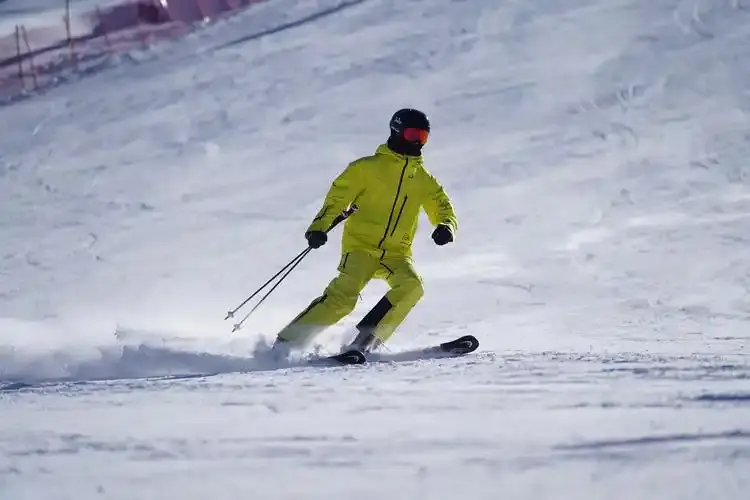
From November to March the Pamir Plateau turns into a silver world. The crowds of summer melt away, hotel prices drop to roughly half, and the light over the snow peaks is at its clearest. This is not a resort destination — there are no cable-car slopes here — but for travelers who want altitude, silence and raw mountain beauty, winter is the season that rewards patience.
- Snow-covered Stone City ruins and the golden grassland of Ala’er, frozen and empty.
- The Muztagh Ata Glacier Park, where you can stand at 4,688 m and look up at the “Father of Ice Mountains.”
- Tajik hospitality — yak hotpot, eagle dances and a borderland culture found nowhere else in China.
Treat Tashkurgan as a high-altitude sightseeing and culture stop. If your main goal is downhill skiing, use it as a scenic prelude and spend your ski days at the resorts covered in our Xinjiang ski resorts overview.
The Pamir Tourism Area (5A)
The county’s headline attraction is the Pamir Tourism Area, a 5A-rated cluster that includes the Stone City ruins (ticket 40 yuan in winter), the Ala’er Golden Grassland (free, with reflections of the old fort in its frozen streams) and the Caiyun Renjia Tajik village. In winter the stone ramparts are outlined against snow and low sun, and the grassland is a quiet sheet of ice and reed — a photographer’s dream with no queues. The ruins are a 2,000-year-old citadel on the old Silk Road; standing on the wall, you look down on both the fort and the white plain below.
Taheman Wetland & Kan’eryang
North of the county seat, the Taheman wetland is free to enter and a favorite for slow winter walks among black yaks and white goats on the frost. Farther out, the Kan’eryang scenic area adds terraced fields and Tajik hamlets that look their best under a dusting of snow. These low-key stops are what make a Pamir winter feel like a real place rather than a postcard.
Muztagh Ata Glacier Park
The Muztagh Ata Glacier Park is a national glacier park at an average altitude around 5,000 m, built around the 7,546 m peak the locals call the “Father of Ice Mountains.” In winter it operates roughly 11:00–18:30; the base ticket is 43 yuan (about 93 yuan with the shuttle bus). Only the No. 4 glacier is open to visitors, at an observation deck of 4,688 m, where you can see ice tongues, blue crevasses and four-tier ice lakes formed over ten thousand years. For a real sense of scale, pair it with our best time to ski Xinjiang guide, which explains how altitude and season shape the whole region.
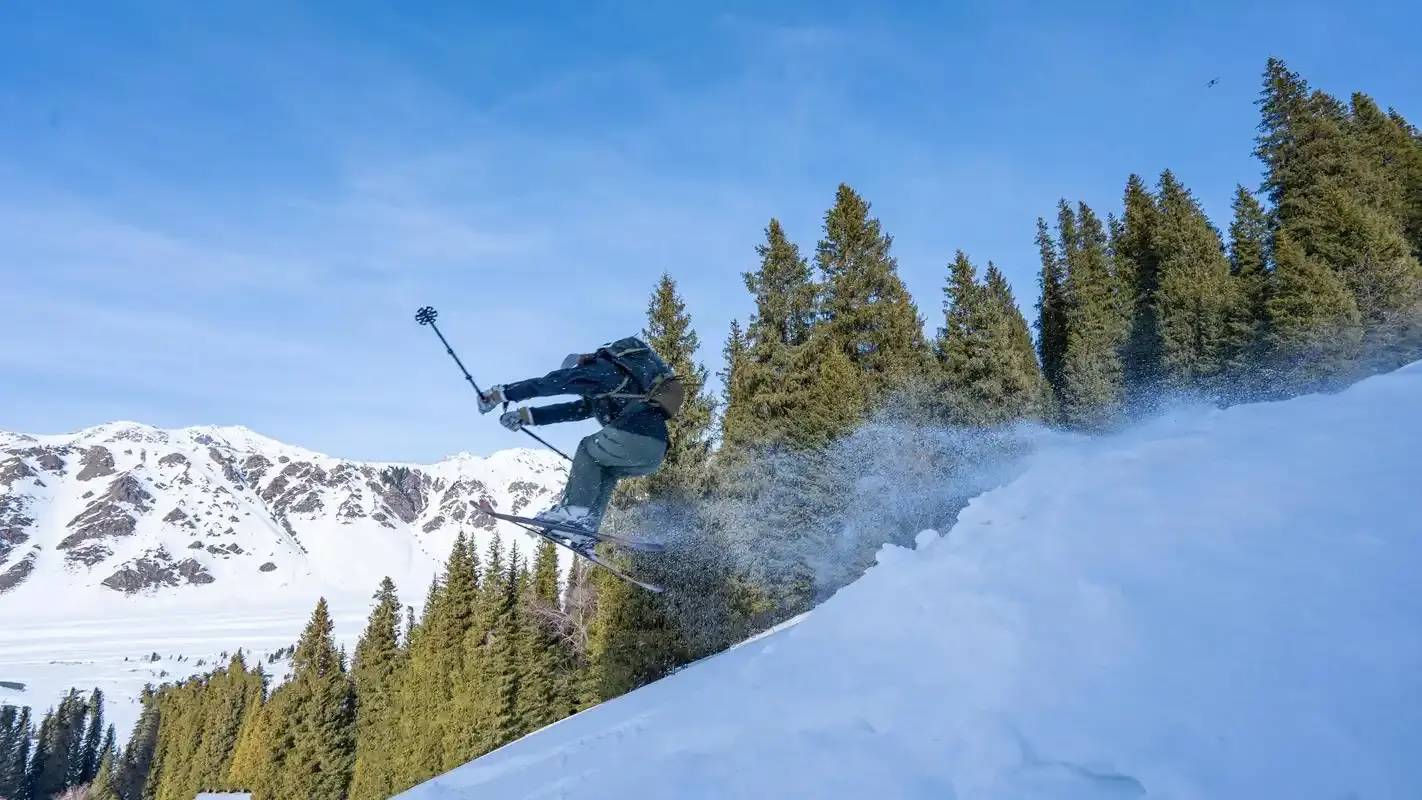
Go slowly here. The altitude is the point and the risk: most visitors feel the thin air at the observation deck, so walk at half pace, drink water, and skip the park entirely if you are unwell. The shuttle bus drops you at a parking lot and you walk the final stretch to the viewing platform; crampons help if the path is iced.
Khunjerab Port, Wakhan Corridor & Panlong Road
The Khunjerab Port (ticket 34 yuan, about 11:00–18:30) is the highest international gate on the China–Pakistan route, at roughly 5,100 m. It requires advance reservation through the Pamir Tourism Area WeChat account, and the wind up there is brutal even on a clear day. Nearby, the Wakhan Corridor (free) is a narrow valley touching three countries, a place where Faxian and Xuanzang once walked. And the Panlong Ancient Road — a viral winding mountain road — is spectacular in snow, though check it is open before you drive it.
A Student-Ticket Winter Bonus
For the 2026 season, Tashkurgan offered fully free admission to all students nationwide from January 9 to March 1, covering the Pamir Tourism Area (normally 40 yuan), the Muztagh Ata Glacier Park (43 yuan) and the Khunjerab Port (34 yuan) — you only pay the shuttle bus where required. Even for non-students, winter is the cheapest time to see the plateau, and the county-seat hotels cut rates sharply once the peak season ends.
Border Permit, Altitude & How to Get There
Tashkurgan is a border county, so a border permit (边境证) is mandatory — get it free at the Kashgar administrative service center or your home police station before you travel. From Kashgar it is a 4–5 hour drive south along the Karakoram Highway, crossing the Gez canyon and passing Baisha Lake (45 yuan, in Akto county) on the way; in snow, use a 4WD with snow tires or chains. Altitude is the real challenge: the county seat is already high, so arrive hydrated, move slowly for the first day, and carry basic altitude-sickness medicine. For travelers sequencing the whole region, our where to ski in Xinjiang guide helps you balance Pamir sightseeing with resort days in the north.
- Getting there: drive or bus from Kashgar (4–5 h); some fly to the new Khunjerab airport then transfer.
- Stay: county-seat hotels, winter roughly half of summer rates; book ahead around festival weekends.
- Eat: yak hotpot, Tajik naan and milk tea; try the eagle-dance performances at cultural restaurants.
Who Tashkurgan Suits
This is for travelers who love altitude, history and culture more than après-ski. It suits photographers, Silk Road enthusiasts and anyone who wants to stand at the roof of the world without a lift ticket. It does not suit people who need easy low altitude or who want to ski every day — there is no resort here. Pair it with Kashgar’s old town and the Akto glacier stops covered in our China skiing guide for a rounded southern Xinjiang winter.
Safety & Local Tips
Winter on the Pamir is safe for the main sights but unforgiving on altitude and weather. The permit check is strict, so carry your ID and the printed permit at all times. Roads can ice over after snowfall, so never self-drive without snow gear and a local who knows the passes. At the Khunjerab gate, the wind cuts through normal jackets — layer up and limit your time at the top. Respect Tajik customs: ask before photographing people, and keep your voice low near village homes. With those basics, Tashkurgan is one of the most unforgettable winter destinations in all of Xinjiang.
Frequently Asked Questions
Does Tashkurgan have a ski resort?
No. The Pamir is for glacier viewing, stone ruins and culture, not downhill skiing; the nearest real slopes are at the northern resorts in our overview.
Do I need a border permit?
Yes, a border permit is required and free to obtain in Kashgar or your home city; you cannot enter the county without it.
How high is the Muztagh Ata glacier deck?
The open No. 4 glacier observation deck is at 4,688 m, so walk slowly and watch for altitude sickness.
When is the student free-ticket window?
For 2026 it ran January 9 to March 1, covering the Pamir area, the glacier park and the Khunjerab Port.
Is winter a good time to visit?
Yes for clear light, low prices and empty sights — but pack for extreme cold and altitude, and confirm passes are open after snow.
How do I get to Tashkurgan?
Drive or take a bus 4–5 hours south from Kashgar along the Karakoram Highway; use a 4WD with snow tires in winter.