

You do not need a lift ticket to have a memorable Xinjiang winter day. Dabancheng sits in a wind-scoured corridor roughly 40-90 km southeast of Urumqi, where the song that made the district famous meets snow-dusted Tang-style walls, salt flats bright enough to float in, and Przewalski’s horses at the wildlife zoo. This guide is for travellers who want one day away from the slopes: a clear-weather, no-lift itinerary that takes the wind and the cold seriously.
Why Dabancheng Is Different
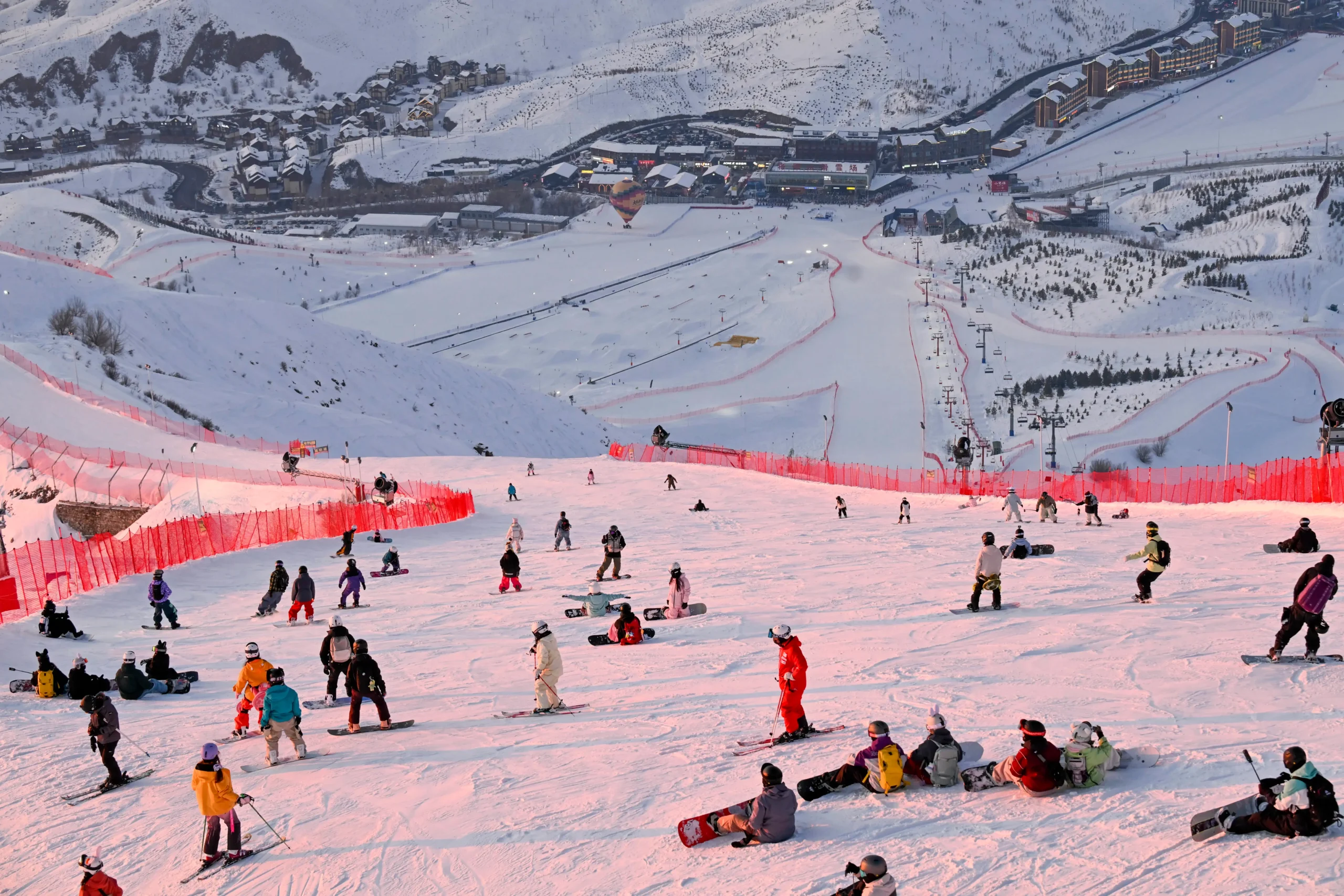
Dabancheng sits in one of Xinjiang’s windiest corridors, studded with rows of wind-turbine generators that turn the gusts into power. That same wind gives the district an open, bracing character and keeps the skies clear for photography. Crucially, Dabancheng is not a ski destination — it is a cultural, salt-lake, and wildlife winter destination. That is a feature, not a gap: it lets you build a relaxing, low-cost day that contrasts nicely with the busy slopes of neighboring Urumqi County, which you can read about in our Urumqi ski resorts guide. Come for the salt, the history, and the animals; leave the carving to another day.
Dabancheng Salt Lake — China’s “Dead Sea” on Snow
The headline attraction is the Dabancheng Salt Lake Scenic Area (达坂城盐湖景区), a national 3A site and national industrial-tourism demonstration point that has been operated for over a decade. Its brine is roughly seven times saltier than seawater, letting you float effortlessly — a “China’s Dead Sea” experience without leaving Xinjiang. The lake pairs pure-white salt fields and salt-sculpture gardens with a “sky mirror” (天空之镜) photography point, and in winter the surrounding Tian Shan turn snow-white, giving the salt flats an unusual cold-season frame. Visitors can ride a small sightseeing train through the salt fields, learn how salt is formed and harvested, and try black-mud and salt-bath wellness treatments. It is a quietly photogenic, family-friendly half-day, and a rare chance to combine a wellness float with a snowy mountain backdrop.
Baishuijian Ancient Town — A Tang Fortress in Snow
A few minutes away stands Baishuijian Ancient Town (白水涧古镇), a Tang-dynasty-style replica fortress complete with a moat, drawbridge, beacon tower, and weapon platform that recreate the might of a frontier military town of the Tang era. Step through the heavy gate and stroll along the river past workshops for Atlas silk (艾德莱斯绸) and handmade leather, or test your aim at the archery range. In winter the snow softens the ramparts and makes the whole compound feel like a forgotten frontier outpost — a different, more contemplative kind of winter scene than any slope. During the 2025-2026 winter the town offered free entry for students aged 6-18 and half-price for adults on select dates, so check current promotions before you go.
Tianshan Wildlife Zoo — Snow, Ponies & New-Year Festivals
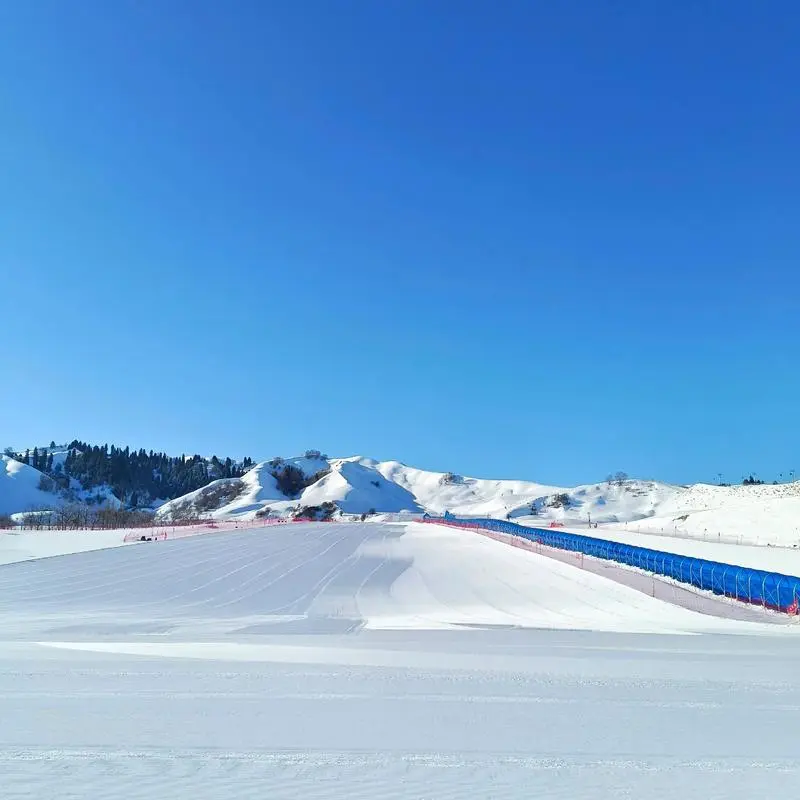
Also in Dabancheng, the Xinjiang Tianshan Wildlife Zoo (Xinjiang天山野生动物园) is home to Przewalski’s horses (普氏野马), snow leopards, and argali sheep across eight display zones. Winter is when the zoo gets festive: its first “Ice Wonderland · Beast New-Year” (冰上奇园·兽贺迎新) event ran January 1-3, 2026, with horse-drawn sleds, snow-tubing, ice-hotpot, and bonfire gatherings, plus half-price admission; and the “Steeds Welcome Spring” (骐骥迎春·驰骋贺年) Spring Festival culture festival (February 15-23, 2026) offered adult tickets at half price and free loaner snow gear so visitors of all ages could skate and build snowmen among the animals. It is an easy, joyful winter outing for families already basing near Urumqi.
Wind, Ice & Outdoor Culture
Dabancheng’s wind is not just scenery — it powers a growing outdoor-sports identity. The district’s grassy alpine valleys host events from motorcycle off-road races during its snow-chrysanthemum festival to ice-climbing exchanges held on frozen waterfalls in the Tian Shan pasturelands, where climbers rope up on dozens-of-meters-high ice walls flanked by wind turbines and canyon views. Even if you only watch, the combination of roaring wind, humming turbines, and frozen cliffs is distinctly Dabancheng. For national context on where this fits, our China skiing guide outlines the country’s winter-tourism landscape beyond Xinjiang’s resorts.
How do I get to Dabancheng from Urumqi in winter?
Most visitors treat Dabancheng as a day out from Urumqi rather than an overnight stay. The district lies southeast of the city, and the wind corridor means road conditions can change quickly after snowfall. In practice that means leaving early, packing food, and keeping the evening flexible.
Arrange transport through your hotel or a local driver and confirm the return leg before you set off; do not assume a taxi will be waiting at the lake. The Urumqi day-trip guide explains how visitors usually structure ski and non-ski days from the city. Dress for wind, not just for the temperature on the forecast.
What is the salt lake like in cold weather?
The salt lake is the headline stop, and winter changes its mood rather than closing it. White salt fields and a sky-mirror photo point sit against snowy Tian Shan peaks, which makes the flats look stranger than in summer.
Floating is the draw: the brine is far saltier than seawater, so the experience is more about balance than swimming. Bring warm layers for the walk between stops and check current opening hours with the operator, since winter arrangements vary. If you are using Urumqi as a base, the city guide covers where to stay and how the days fit together.
Can I visit Dabancheng and still ski in the same week?
Absolutely. Dabancheng works best as the rest day in a ski week, not as a replacement for one. The pace is slow, the walking is flat, and the wind that clears the sky also makes the slopes feel sharper the next morning.
Pair it with a low-key hill near the city rather than a full Altay transfer, so the day stays easy. The Nanshan ski guide describes the closer areas. Keep the fortress town and wildlife zoo as flexible stops; in a strong wind, shorten them and head back early.
Planning Your Dabancheng Winter Visit
Dabancheng works best as a self-drive day trip from Urumqi — the Salt Lake is about 45 km southeast of the city, and the ancient town and zoo are signed right off the highways. Dress warmly and bring a windproof layer; the district earns its breezy reputation, and winter gusts can be sharp. Give yourself a half day to float and photograph the salt lake, then an hour or two for the fortress town and, if traveling with kids, the wildlife zoo’s snow play. If you want real slopes instead, sequence this with our where to ski in Xinjiang guide, and check our best time to ski in Xinjiang piece to time a resort day around the same winter window. Families will also find useful tips in our family skiing in Xinjiang overview before they fly in.
A Sample Dabancheng Winter Day
Dabancheng is simple to structure as a self-drive loop from Urumqi. Leave the city mid-morning and reach the Salt Lake about 45 km southeast; spend the first stretch floating, walking the white salt fields, and photographing the “sky mirror” with the snowy Tian Shan behind it. Late morning, drive on to Baishuijian Ancient Town for a slow walk through the Tang fortress — moat, drawbridge, and archery range — pausing at the Atlas silk and leather workshops. If you are traveling with children, add the Tianshan Wildlife Zoo for its snow play and Przewalski’s horses, timing your visit to one of the winter festivals for the half-price admission and free loaner gear. By mid-afternoon, with the wind at your back, you can be back in Urumqi well before dark. The route is short, flat, and well signed, which makes it ideal for a relaxed day when you do not want the logistics of a mountain resort. Bring a windproof layer, a camera, and an appetite for the district’s famously sweet watermelons if you visit in the warmer shoulder seasons.
Frequently Asked Questions
Is Dabancheng a ski destination?
No. Dabancheng is a cultural, salt-lake, and wildlife winter destination — salt floating, a Tang fortress town, and a wildlife zoo with snow festivals. For downhill skiing, use our Urumqi resorts guide and pair the two into one trip.
What makes the Salt Lake special in winter?
Its brine is about seven times saltier than seawater, so you float effortlessly, and the surrounding Tian Shan turn snow-white, framing the white salt fields and “sky mirror” with a rare cold-season look.
Is Baishuijian Ancient Town worth visiting?
Yes, especially in snow. The Tang-style fortress — moat, drawbridge, beacon tower, archery range, and silk-and-leather workshops — makes a quiet, photogenic winter walk quite different from a resort day.
What winter events happen at the wildlife zoo?
The 2026 New-Year “Ice Wonderland” event (Jan 1-3) and the Spring Festival “Steeds Welcome Spring” festival (Feb 15-23) offered half-price admission, horse-drawn sleds, snow-tubing, ice-hotpot, and free loaner snow gear.
How do I get to Dabancheng from Urumqi?
Self-drive is simplest: the Salt Lake is roughly 45 km southeast of Urumqi, with the ancient town and wildlife zoo signed off the highways. Allow a relaxed half-to-full day for the loop.
Is Dabancheng worth a day if I do not ski?
It is one of the better non-ski winter choices near Urumqi. The salt lake, the Tang-style fortress town and the wildlife zoo each fill part of a day, and the wind turbines give the landscape a character you will not find on a groomed piste. Go for the contrast with the resort circuit, not for skiing.
How much of a day should I allow for Dabancheng?
Plan a full day rather than a quick morning. Travel from Urumqi, the salt-lake stop and the fortress town each take a slice of the daylight, and winter light is short. Check current opening hours with each site before you leave, because holiday periods and weather can change winter arrangements. Build in a flexible buffer for the wind.