

Altitude puts many visitors off a Xinjiang winter, but Nilka sits in the eastern Ili valley at elevations where the air still feels breathable. That single fact shapes the trip: you can ski a morning at Tangbula, soak at Bulong in the afternoon, and sleep well that night. The county’s winter identity is ice and snow plus wellness plus food, wrapped around Kazakh herding villages and a frozen river gallery rather than extreme vertical. This guide suits families and anyone who wants a gentle first Xinjiang winter. For the wider area, read our Ili valley winter guide before you fix the route.
Why Nilka Suits a Low-Altitude Winter
Most foreign visitors race to Altay for deep powder, but the Ili valley offers a gentler, warmer kind of winter, usually between -10°C and -20°C, with snow that lasts for months without altitude sickness. Nilka has leaned into this with a seasonal brand, “Snowy Niileke, Honey Winter” (Xue Run Niileke, Mi Jing Fu Dong Yue), built around the idea of “ice-snow + wellness + food.” The county has set an ambitious target of 11.56 million visits and 5.17 billion yuan in tourism spending for the year, and you feel that energy in the events, the new resort, and the free-admission policies at several scenic spots. For travelers comparing regions, our Xinjiang ski resort overview shows how Nilka fits among the others.
Tangbula International Ski Resort
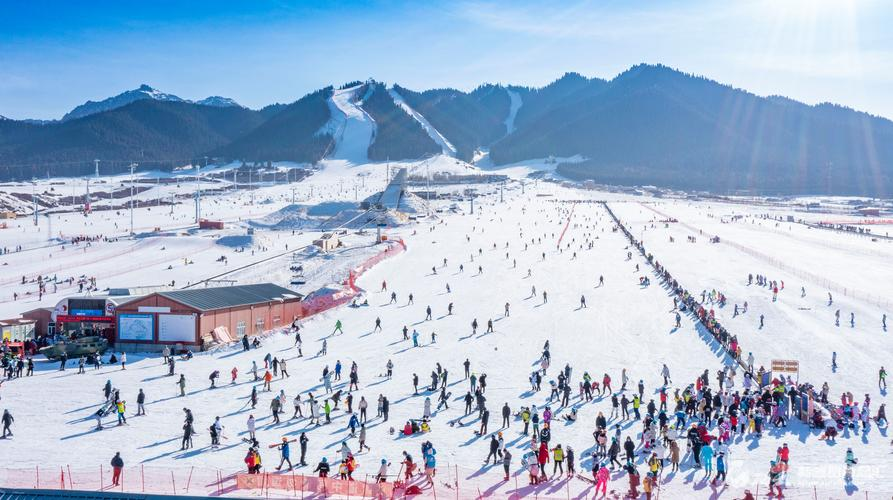
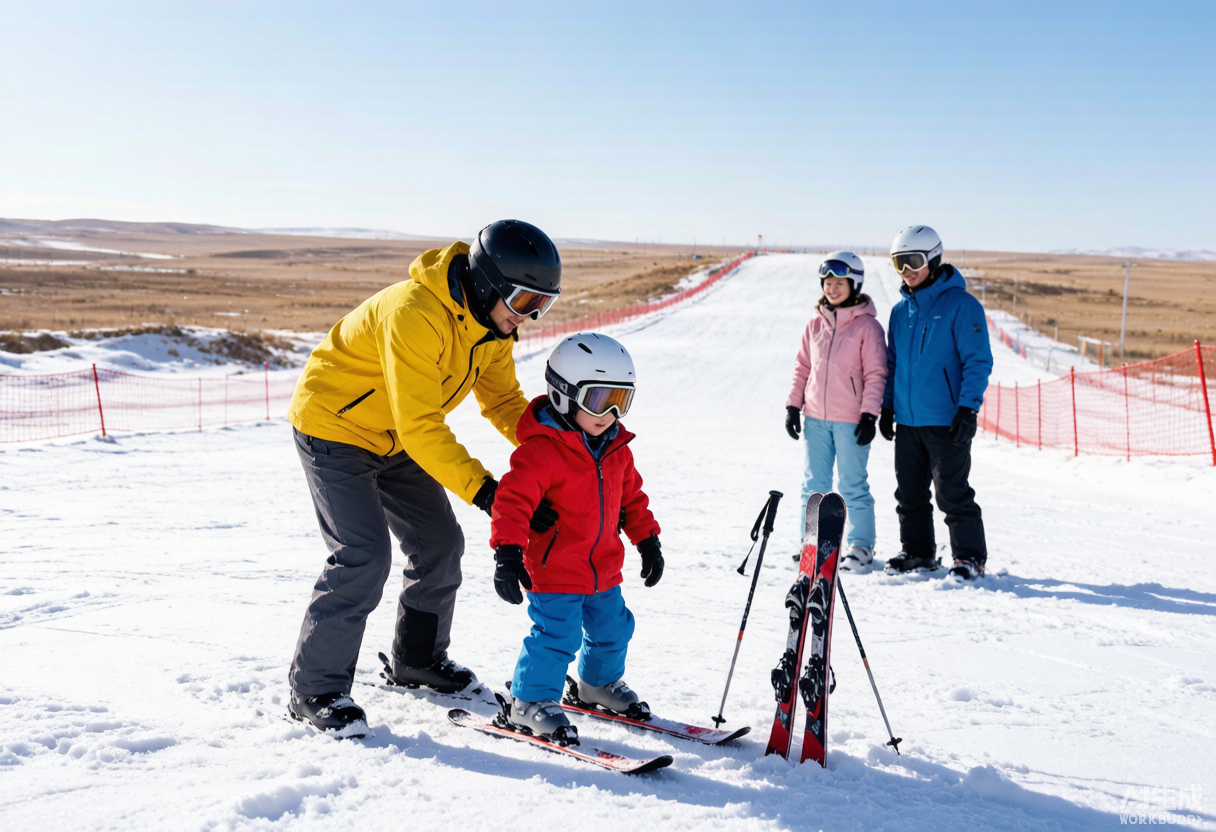
The headline for skiers is the Tangbula International Ski Resort (Tangbula Guoji Huaxue Chang). Set among the grassland and spruce of the Tangbula area, it offers beginner, intermediate, and advanced runs built on natural snow quality that local riders praise. The slopes are wide and forgiving, which makes it a strong place for first-timers and confident cruisers alike, while the surrounding scenery, open white meadows framed by a wall of spruce, is genuinely photogenic. Rentals and a beginner teaching area are on site, and the resort is pitched at casual and learning skiers rather than extreme vertical. If your main goal is big drops, treat Tangbula as a relaxed warm-up and save the serious descents for the major hills listed in our where to ski in Xinjiang guide.
The Hundred-Li Ice-Snow Gallery
Even if you never click into a binding, the Tangbula grassland in winter is the reason to come. The “Hundred-Li Ice-Snow Gallery” (Baili Bingxue Huilang) stretches along the Kash River with rime on the spruce, frozen waterfalls, and snow ridges that look like ink-wash painting. You can snowshoe or walk the cleared boardwalks, ride a horse through the snow plain with a local herder, or take a horse-drawn sleigh padded with cushions for a slow 360-degree view. Snowmobiles and snow-horse-racing with dao yang (a Kazakh wrestling-on-horseback game) are run on festival days. Notably, Tangbula’s valley has also become a spot for kite skiing, where riders use a controllable kite for wind-powered glides across the open snow, a niche scene that drew domestic enthusiasts through several recent winters.
Bulong Hot Spring: Ice and Fire
After a cold morning, the Bulong Hot Spring (Bulong Wenquan) is the perfect reset. Soaking in warm mineral water while snow falls around you, the “ice and fire in one place” (bing huo liang chong tian) experience, is a signature of Ili winter wellness. Several venues pair the spring with heated cabins and Kazakh-style meals, so you can alternate between the pool and a hot bowl of lamb. It is the kind of low-effort luxury that makes a cold day feel indulgent, and it pairs naturally with a ski morning at Tangbula.
Wetland Ancient Poplar & Village Life
Back near the county seat, the Wetland Ancient Poplar Scenic Area (Shidi Gu Yang) holds a forest of thousand-year-old poplar trees that, in deep winter, wear a coat of rime and glitter in the morning light. The park offers forest hiking and cycling loops and, importantly for budget travelers, has run free-admission and bundled discount passes in recent seasons. Nearby, Duoerbujin village has been developed into an “Ice-Snow Honey City” (Bingxue Mie Cheng) theme park, and the county stages the 4th Nadam folk-culture conference plus an “Ice-Snow Carnival, Intangible-Heritage Warm Winter” series of events. You can also visit the Mengkete ancient road for a hike, or the Qiaorma red-education base for a dose of regional history, then end the day browsing Kazakh embroidery in a village guesthouse.
Food: Far-From-Sea Salmon & Black-Bee Honey
Nilka eats like the steppe it sits on, with a twist. The county is known for cold-water salmon farming, so a full salmon feast (san wen yu quan yu yan), the “salmon farthest from the sea,” is a local specialty you will not find in most ski towns. Pair it with black-bee honey (hei feng feng mi), roasted stuffed buns (kao bao zi), hand-grabbed rice (zhua fan), and salty milk tea. Street snacks at the night market are a cheap way to sample several dishes in one walk, and the honey makes a good edible souvenir. Build a wider Ili loop by combining this stop with our Yili winter ski guide and the nearby Tekes winter travel guide for a culture-and-snow itinerary.
Getting There & Staying Warm
Fly into Yining Airport, then drive or take a shared car roughly two to three hours east into Nilka. A four-wheel-drive with snow tires helps on mountain roads after fresh snow, though the county seat and main resorts are reachable by normal vehicles in good conditions. Stay in a heated hotel near the town center for around 150 to 300 yuan per person, or book a Kazakh wooden cabin with a real hearth for a more immersive night. Dress in the three-layer system, pack sunglasses for snow glare, and carry a power bank since cold drains phone batteries fast. Timing your visit is easy with our month-by-month Xinjiang ski calendar.
Safety Notes
Cell coverage in the deeper Tangbula valleys can be spotty, so download offline maps and tell someone your plan. Stay on marked routes and respect any closed high-altitude zones, and use the herder horse teams or a local guide to explore farther sections safely. The spruce forest is beautiful but unforgiving if you wander off track.
Why is Nilka a lower-altitude winter option for families?
Nilka’s appeal is practical before it is scenic. The Ili valley sits well below the high Altay basins, so visitors who worry about thin air can ski here without the headache and poor sleep that sometimes arrive on day one elsewhere. Temperatures are cold but manageable, and the snow lasts for months.
That makes the county a sensible choice for a first family trip or for older travellers who want Xinjiang winter without the altitude gamble. The slopes at Tangbula are wide and forgiving, with a beginner teaching area on site, so children can learn without sharing the hill with fast experts. Our Tangbula winter road trip guide covers the drive and the surrounding gallery. Treat Nilka as a relaxed base rather than a destination for extreme vertical, and the week works well.
Can you combine skiing and hot springs in one Nilka day?
Yes, and that combination is the county’s strongest card. A morning on the gentle runs at Tangbula followed by an afternoon at Bulong Hot Spring gives you the contrast the region is known for: cold snow on one side of the day, warm mineral water on the other. Several venues pair the pool with heated cabins and simple Kazakh meals.
Plan the order carefully. Ski first while the snow is firm, then soak once your legs are tired, rather than the reverse. Bring a dry change of clothes and leave wet base layers in the car or with the hotel. The hot springs after skiing guide explains how recovery sessions fit into a winter week. A short soak is enough; too long in warm water after a cold day leaves you light-headed, which is exactly the feeling you came here to avoid.
What is the Tangbula ice-snow gallery actually like?
It is a long winter corridor along the Kash River where rime coats the spruce, frozen waterfalls hang beside the path and snow ridges bend across the open grassland. The scale is the point: this is a landscape you walk through slowly, not a viewpoint you photograph from a bus window and leave.
Cleared boardwalks make the gallery accessible without snowshoes, and local herders offer horse rides or padded sleighs for a slower circuit. Festival days add snowmobile runs and Kazakh games on horseback. Go in the morning for the best light on the rime, and allow more time than you think; the gallery rewards wandering. If you want a deeper cultural layer, a Kazakh yurt stay nearby turns the walk into a full day with food and stories at the end of it.
Where do you stay and eat in Nilka in winter?
Accommodation ranges from county-seat hotels to village guesthouses near the grassland. For a ski-focused trip, stay close to Tangbula; for hot springs and local food, the county seat is more convenient. Either way, book ahead during festival weeks, when visitors from across the region fill the small hotels.
The food is a genuine reason to come. Nilka farms cold-water salmon, so a whole salmon feast appears on menus here and rarely elsewhere in Xinjiang ski towns. Pair it with black-bee honey, roasted stuffed buns, hand-grabbed rice and salty milk tea. A night market lets you sample several dishes cheaply in one walk. Ask your host which dishes are local rather than generic; the answer usually leads to something better than the printed menu.
Frequently Asked Questions
Is Nilka good for beginner skiers?
Yes. Tangbula International Ski Resort has beginner, intermediate, and advanced runs on natural snow, with a teaching area and rentals on site, making it a relaxed place to learn without the altitude or crowds of the big northern resorts.
What is the Tangbula Ice-Snow Gallery?
It is the Tangbula grassland in winter, a stretch of white meadows, frozen waterfalls, and rime-covered spruce along the Kash River, best explored on foot, by sleigh, or on horseback rather than on skis.
Do I need a car to visit Nilka?
A private four-wheel-drive helps for mountain snow roads, but the county seat, the hot spring, and the main resort are reachable by shared car from Yining and normal vehicles in good conditions.
When is the best time to visit Nilka in winter?
Late December through early February usually has the deepest, most stable snow, and the county runs folk festivals and carnivals through the whole cold season, so the town feels festive whenever you arrive.
Can I combine Nilka with other Xinjiang ski areas?
Absolutely. Nilka sits in the Ili valley and pairs naturally with nearby Yili resorts and Tekes, working as a culture-and-wellness add-on to a longer Xinjiang ski trip built around the best snow months.
Is Nilka suitable for complete beginners?
Yes. Tangbula’s runs are wide and its teaching area is on site, which suits first-timers and nervous children. The lower elevation also means less risk of altitude slowing your first day. If you want steep, sustained terrain, Nilka will feel gentle; for a first week on snow or a mixed-ability family, that gentleness is exactly the advantage.
When is the best time to visit Nilka in winter?
Mid-winter gives the most reliable snow for the gallery and the ski area, while festival periods bring folk events and more activity but also more visitors. Check conditions locally before you travel, since the county promotes several winter events and accommodation fills quickly during them. For a quiet trip, choose a week outside the main festivals.