

When most foreign skiers picture Xinjiang skiing, they think of Altay’s deep powder or Urumqi’s Silk Road slopes. Yet the far east of the region hides one of its most underrated winter playgrounds. Hami (哈密), where the Tianshan meets the Gobi, has quietly built a compact but characterful ski scene centred on the Songshutang Ski Resort — the largest natural ski field in eastern Xinjiang. This guide covers what to expect, how to get there, and why a few days in Hami deserve a place on your China ski itinerary.
Why Ski in Hami
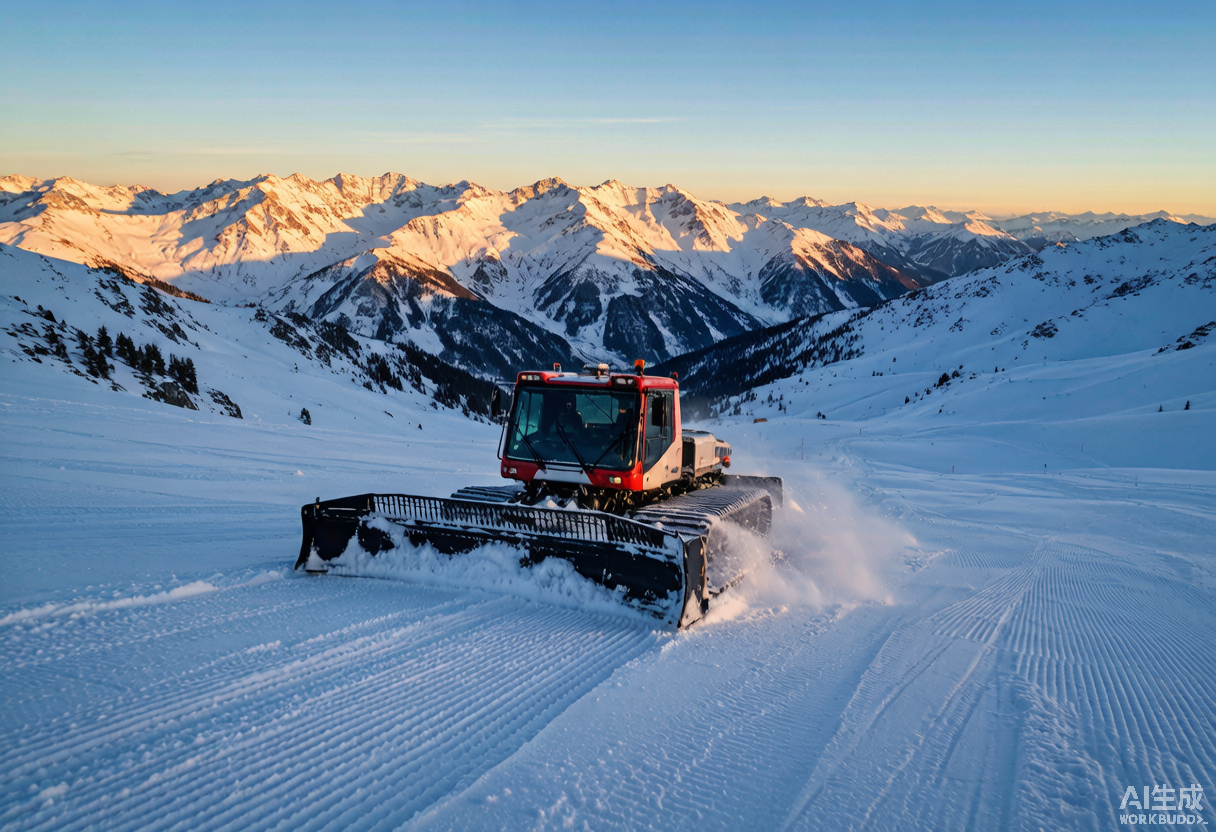
Hami sits roughly 600 km east of Urumqi and about 65 km from the city centre to the slopes. Its continental climate delivers reliable cold and dry snow from December through late February, while the East Tianshan backdrop gives the ski runs a dramatic, photogenic edge. Unlike the mega-resorts of Altay, Hami offers a relaxed, low-crowd atmosphere where you can actually hear the silence between runs. It is also a genuine family destination: the resort runs a children’s ski school, a kids’ carpet lift, and a dedicated safe-play zone. For travellers already looping the region, Hami is the natural eastern bookend of a wider Xinjiang circuit.
The East Tianshan Setting
The resort lies inside the East Tianshan Scenic Area (东天山景区), sharing the landscape with the singing sands of Mingsha Mountain, frost-covered forests, and rime (雾凇) that turns the woods into ink-wash paintings after a cold snap. Combine a ski morning with an afternoon hiking or horse-riding through snow-blanketed grassland, and you begin to see why locals call Hami winter “snow and fire” — icy scenery paired with the city’s famous warm mutton cuisine. The contrast of desert, mountain, and snow within a single day is exactly what makes eastern Xinjiang feel different from the alpine resorts further north.
Songshutang Ski Resort: The Details
The Yu-Ha Songshutang Ski Resort (豫哈松树塘skiing场) reopened for the 2025–2026 season after a full upgrade. It spans about 150,000 square metres and is built as a natural mountain field rather than a purely machine-made slope. The 2025 rebuild overhauled the trails, chairlift, and magic carpets, and added a broader mix of play equipment. Base facilities include a rental shop, a casual cafe, a warming lounge, and a small indoor ice rink that keeps non-skiers entertained while the slopes are open.
Trail Layout
- Beginner trail: ~170 m long, ~50 m wide, ~11° pitch — ideal first turns.
- Intermediate trail: ~300 m long, ~40 m wide, ~17° pitch.
- Advanced trail: ~1,200 m long, top elevation ~2,223 m, vertical drop ~150 m, ~50 m wide, ~23° pitch.
The graded design means absolute novices and confident carvers can share the mountain without getting in each other’s way. Snow quality on the natural field is drier and faster than fully irrigated slopes, so confident intermediates will enjoy the long advanced run while beginners stay safe on the wide bottom trail. Rentals cover both skis and snowboards, and the children’s carpet lift removes the usual uphill struggle for small first-timers.
Play Beyond Skiing
Songshutang is as much a snow park as a ski hill. On-site you’ll find snowmobiles, snow tanks, kids’ off-road buggies, and a rotating cast of inflatable rides. The 2025 season even imported a small group of penguins for a novelty meet-and-greet — a quirky touch that went viral on Chinese social media and sums up Hami’s playful, family-first winter vibe. After a few runs, the snow-play zone is where most families actually spend their afternoon.
Getting to Hami & the Slopes
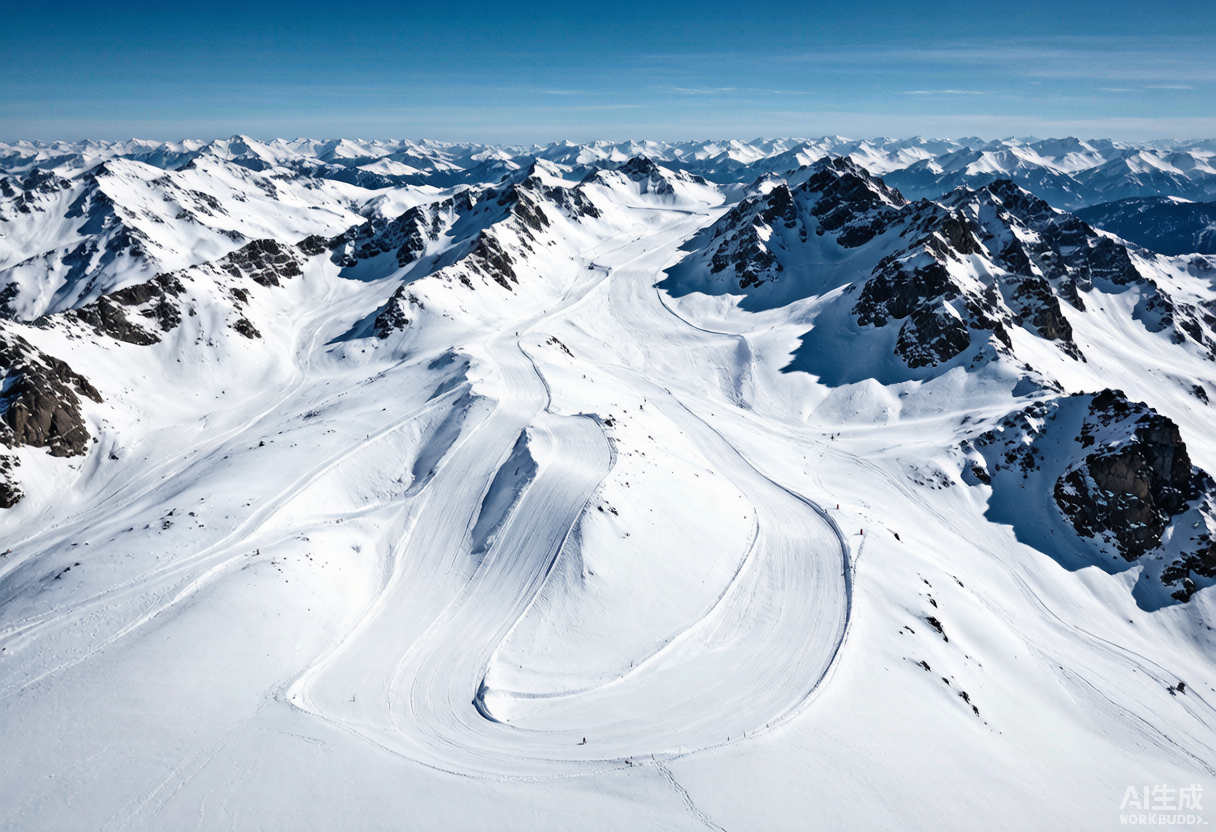
Hami is on the Lanzhou–Xinjiang high-speed rail line and has a regional airport with flights from Urumqi and major hubs. From downtown Hami, the resort is about 65 km (roughly 1.5 hours) by car, with free parking on site. During the season a shuttle bus leaves Hami Culture & Creative Park at 09:30 daily and runs straight to the slopes. If you are building a longer loop, consult our Xinjiang ski road-trip guide for winter driving notes across the region, including tyre and chain advice for the East Tianshan passes.
When to Go
The resort runs daily 10:00–17:30. The best snow window is December to end of February; the 2025–2026 Hami winter festival officially launched on 20 December and runs through March 2026 under a “one core, two wings, three belts” programme of ice rinks, light festivals, and cross-county events. For snow-quality timing across the whole region, see our best time to ski Xinjiang breakdown, which ranks each zone by monthly conditions so you can sequence Hami after the deeper Altay powder window.
What to Pack & Family Tips
Hami’s dry cold is sharper than coastal China but milder than Altay’s deep winter. Layer up: a windproof shell, insulated mid-layer, gloves, and goggles are essential. Our Xinjiang ski packing list covers exact kit. Families will appreciate the on-mountain children’s school and the kids’ skiing in Xinjiang tips for keeping little ones warm and happy. Book the morning session if you ski with children — the light is softer, the carpet queues are short, and you can be off the hill before the midday wind picks up.
Food, Culture & Nearby Sights
A Hami ski day earns its reward at the table. The city’s signature is mutton stew with flatbread (羊肉焖饼), where local lamb is braised until tender and three layers of bread soak up the gravy, plus roasted buns (烤包子) and a morning bowl of lamb soup from the winter market. Off the snow, Barkol Grassland (巴里坤草原) spreads snow over steppe where you may spot the goitered gazelle, while Mingsha Mountain offers the surreal “sand meeting snow” photograph. These low-cost add-ons make Hami an easy two- or three-day stop rather than a single commute.
Where Does Hami Fit in a Longer East Xinjiang Winter Route?
Hami works best as the eastern end of a Xinjiang ski loop, not as a standalone week. Combine it with Mulei, Mori, or Barkol before returning to Urumqi, and you get short drives and noticeably quieter slopes. The snow is cold and dry, the crowds are thin, and the scenery shifts from Tianshan forest to Gobi edge within a day.
Plan the order around road conditions rather than distance on a map. The winter route east of Urumqi can be slow after a storm, so give yourself a spare night before any long transfer. Skiers who want a fuller picture of the eastern Tianshan read our notes on Mulei in winter, where the same cold air produces reliable snow and a slower pace, and the Hami and Barkol winter guide for the ice-lake detour that pairs naturally with a ski morning. Keep one mountain as the anchor and treat the rest as optional add-ons. A route built on three equal stops tends to spend more time on the road than on snow, and the best days here are the ones where you can simply stay put and ski the same hill twice.
What Should I Check Before Driving to Songshutang in Winter?
A winter drive to Songshutang is straightforward in clear weather and genuinely slow after snowfall. Check the road status the evening before, confirm your lodging has heated parking, and start early enough that you are not navigating the last stretch in the dark. Local drivers treat the pass differently from city traffic, and visitors should follow their pace.
Snow tires are the baseline, not an upgrade, and a car arranged in Hami city is often simpler than self-driving after fresh snow. Ask your hotel whether the room thermostat is adjustable; cold nights in eastern Xinjiang catch visitors who packed for Urumqi. Meals near the slopes are limited, so carry water and a snack even for a half-day. If you are travelling with children, agree on a meeting point at the base before everyone heads off to lessons.
- Confirm lift operating hours the night before you drive up.
- Keep the fuel tank above half for the return leg.
- Carry a paper map or offline copy; mountain signal is patchy.
- Arrange the return ride before you leave the city, not at the hill.
None of this is complicated, but each item removes a small reason to cut the day short. The reward is a mountain where the queue at the lift is usually shorter than the walk to it.
Pairing Hami with Other Resorts
Hami works well as the eastern anchor of a wider Xinjiang tour. Many visitors fly into Urumqi and ski a few day trips before taking the train east to Hami, or reverse the route. Compare the full field in our Xinjiang ski resorts overview before booking, and note that Hami’s shorter trails suit a recovery day between bigger mountain missions rather than a powder-hunting pilgrimage.
Frequently Asked Questions
Is Songshutang Ski Resort good for beginners?
Yes. The beginner trail is short, wide, and gentle at ~11°, with a magic carpet and a dedicated children’s ski school. First-timers and kids are the resort’s core audience.
How far is Hami ski resort from the city?
About 65 km, or 1.5 hours by car from central Hami, with a free car park and a daily 09:30 shuttle from Hami Culture & Creative Park.
When does the Hami ski season start?
The 2025–2026 season opened with trial operation on 8 December and a festival launch on 20 December, running through March 2026. Best snow is December to late February.
Can I snowmobile at Hami?
Yes. Snowmobiles, snow tanks, and kids’ off-road buggies are available on site alongside the ski trails, making it a full winter play park.
Is Hami worth visiting for foreign skiers?
If you want uncrowded natural slopes, a family-friendly setup, and an authentic east-Xinjiang winter with Gobi-and-Tianshan scenery, Hami is a rewarding, low-stress addition to an Altay or Urumqi trip.
Is there enough to do off the slopes in Hami?
Yes, though the pace is quieter than in Altay. The East Tianshan scenery, frost-covered forest, and nearby Mingsha Mountain fill a afternoon or a full rest day, and the low crowds make the area good for slow photography. Plan one non-ski day rather than trying to fit everything around dawn patrols.
How cold does it get at Songshutang?
Cold enough that exposed skin and slow chairlifts become the story of the day, particularly in January. Rather than relying on a number from last season, ask your accommodation and check the resort notice board on arrival, then dress for a wider range than the forecast implies. A windproof layer and spare gloves do more than an extra sweater.