

As winter loosens its grip, a different kind of ski trip begins. Spring skiing in China rewards patient travellers with soft morning corn, quiet slopes, and long sunny afternoons. Whether you chase late snow in the north or head to the high mountains of the west, this guide explains when and where to go, what to pack, how to adapt your technique, and how to ski safely as the season warms.
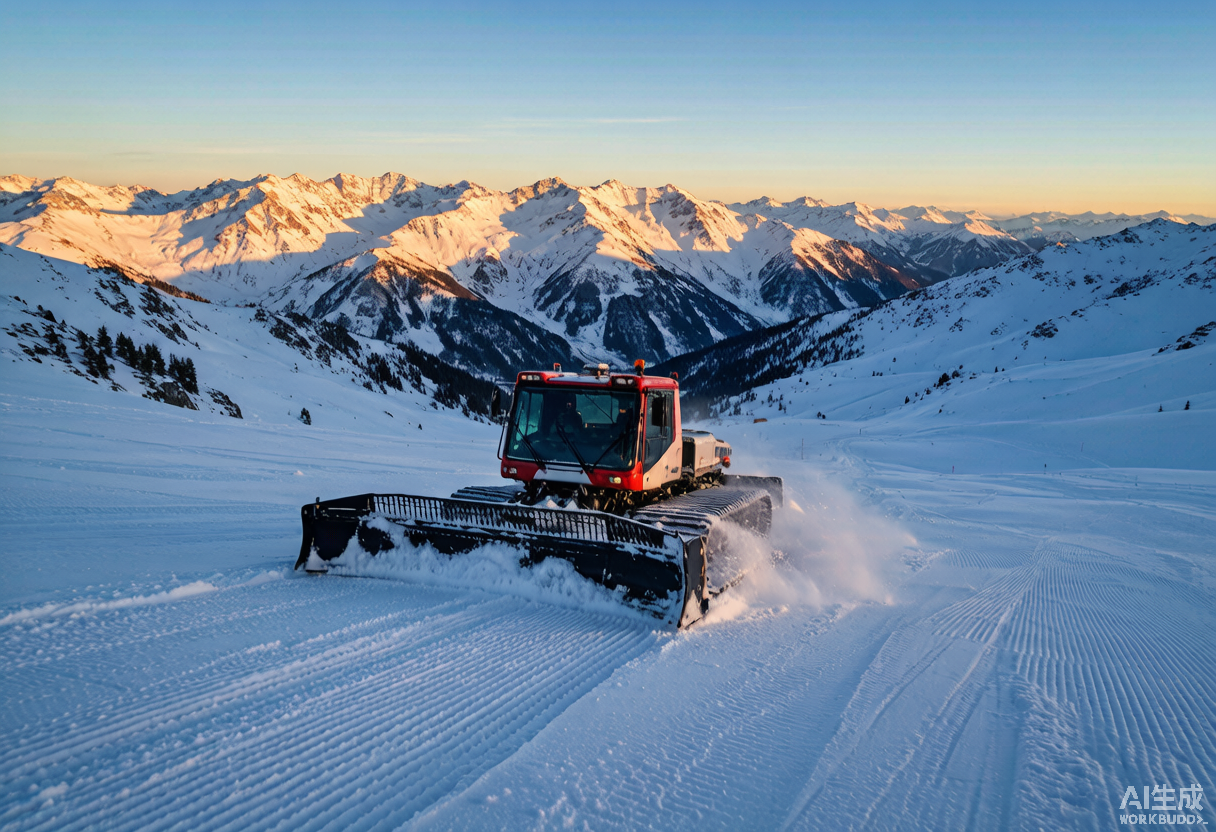
Why Spring Skiing Is Worth It
Late-season turns come with real advantages. Crowds thin out after the holiday rush, lift lines shrink, and accommodation drops in price. The light is gorgeous for photography, and a China skiing guide will confirm that many regions keep good snow well into March and even April at altitude. Resorts also tend to run a calmer, more relaxed atmosphere once the peak-season pressure lifts, which makes spring ideal for learners who want space to practise.
The Corn Snow Window
Corn snow — that forgiving, sugar-like surface — forms when daytime thaw and nightly refreeze cycle. Ski it from late morning once it softens, and quit before it turns slushy. Timing matters more than terrain, which is why the best time to ski in Xinjiang can stretch surprisingly late on north-facing slopes that hold cold air and preserve the base.
Best Regions for Late-Season Turns
China’s geography gives spring skiers options:
- North: Heilongjiang and Jilin — colder, longer season, reliable man-made and natural snow.
- West: Xinjiang and Tibet highlands — altitude preserves snow; sunny days, cold nights.
- Central: Hebei resorts near Beijing — convenient, often open into March with snowmaking.
If you want a broader view of the country’s mountains, a where to ski in Xinjiang resource pairs well with national planning, especially if you want to combine a western road trip with a few resort days.
Reading the Daily Cycle
Spring conditions swing hour by hour. Mornings are often firm and fast, midday corn is the sweet spot, and late afternoon slush demands patience. Plan your hardest runs before noon and save easy cruising for the warm end of the day. Watching the cycle for two days teaches you more than any gear upgrade, and it helps you predict which slopes will still be skiable by the time you ride the last lift.
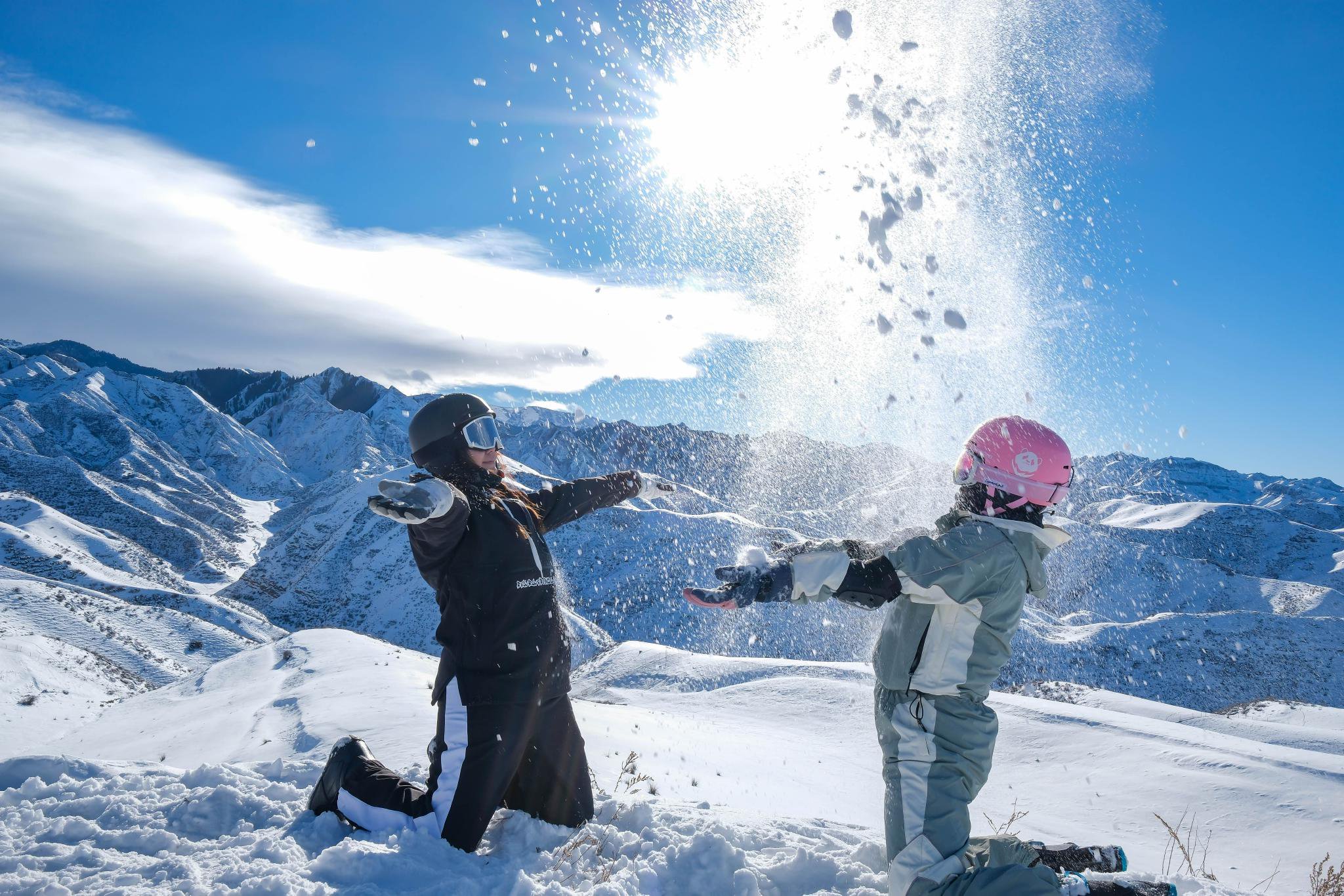
What to Pack for Spring Conditions
Spring swings between warm sun and sharp wind, so layer smartly:
- Breathable base layer — you will warm up fast.
- Light mid-layer instead of a heavy fleece.
- Shell jacket with vents you can open.
- Goggles plus sunglasses — glare is intense on bright snow.
- High-SPF sunscreen and lip balm — altitude burns are real.
Budget-minded travellers can combine this with a China ski budget guide to stretch a late-season trip further, since lodging and passes both soften in price after the rush.
Don’t Forget the Small Stuff
Spring sun reflects off snow and doubles your exposure. Pack a spare pair of socks, a small daypack for shedding layers, and a water bottle you will actually drink from. A phone lanyard helps on sunny lift rides when you want both hands free for photos, and a small tube of after-sun cream is a wise addition once the temperature climbs.
Adjusting Your Ski Technique
Soft snow changes how skis behave. Keep your weight centred, let the ski float rather than carving hard, and widen your stance slightly for stability in choppy afternoon snow. On slush, avoid abrupt edge sets that can catch; instead, guide the ski with smooth, rounded turns. These small adjustments make late-season skiing feel effortless rather than exhausting. If you normally ski groomers, spring is also a gentle invitation to try a bit of off-piste on the edges of open terrain, where the snow is deeper and the lines are yours alone.
Safety Notes for Warming Snow
Spring brings hidden risks. Snow bridges over streams weaken, and afternoon slush slows edges. Start early, watch for closures, and avoid hiking onto steep sunny slopes after midday. Check resort status through a Xinjiang ski resorts listing before you commit to a long drive, because late-season opening hours vary more than in mid-winter.
Sun and Hydration
You dehydrate faster at altitude in dry spring air. Carry water, and remember that a Xinjiang ski trip packing list already flags the small essentials that are easy to forget when the weather feels mild.
Making the Most of Quiet Slopes
With fewer people around, spring is the perfect time to film your runs, work on a specific skill, or simply enjoy long lunch breaks in the sun. Many resorts host small late-season events and barbecues, so check the calendar — the social side of spring skiing is part of its charm and costs nothing extra. Treat the quiet as a bonus: you can repeat a favourite run as many times as you like without queueing, which is the fastest way to truly master it.
Spring Skiing With Children
Families often find spring the easiest season to introduce kids to the sport. Softer snow means gentler falls, and warmer air keeps young skiers comfortable between runs. Dress children in removable layers, schedule lessons for the cool morning, and finish with playtime in the sun rather than fighting tired tears at dusk. The relaxed pace of late season suits first-timers far better than the busy holiday crush.
Photography and Memories
Spring light is a gift to anyone with a camera. Blue skies, crisp shadows, and glowing snow make even phone snapshots look professional. Shoot during the golden hour near sunset when the mountains turn warm, and protect your lens from glare with a polariser if you have one. Just remember to keep your phone warm in an inside pocket, because cold batteries drain fast between shots, and you do not want to miss the best frame of the day.
Frequently Asked Questions
When does ski season end in China?
It varies by region. Northern and high-altitude resorts can run into March or April, while lower central resorts often close by mid-March. Snowmaking extends some seasons, and a warm spell can shorten others without warning.
Is spring snow harder to ski?
Not harder, just different. Morning corn is grippy and fun; afternoon slush is slow and catchy. Adjust your edge timing and take breaks as snow softens through the day.
Do I need different gear in spring?
Your regular gear works, but lighter layers, good sunglasses, and strong sunscreen matter more than in mid-winter. Goggles alone are not enough on bright days, so carry both eye protections.
Are spring lift tickets cheaper?
Often yes. Many resorts discount late-season passes and offer bundled deals as visitor numbers drop after the holidays, which makes a spontaneous trip easy on the wallet.
Can beginners enjoy spring skiing?
Yes, quieter slopes and soft snow are friendly for learners. Just start early, follow closed-area signs, and don’t ski tired slush late in the day when edges grab unpredictably.
What happens if a warm spell melts the snow?
Resorts monitor base depth closely and may close lower runs while keeping upper terrain open. Always check the day’s status before driving out, and have a backup plan such as a town visit or a different higher resort.