

China is a big country, and its ski season is not one single window. The north opens earliest under reliable cold, the interior mountains hold snow the longest, and the south relies on highest-altitude slopes or heavy snowmaking. If you are building a trip around snow, a region-by-region calendar saves you from arriving to a half-open mountain. Our China Skiing Guide maps the major regions, while this article focuses on timing so you can book flights and hotels against real opening dates rather than guesses.
North & Northeast China (Heilongjiang, Jilin)
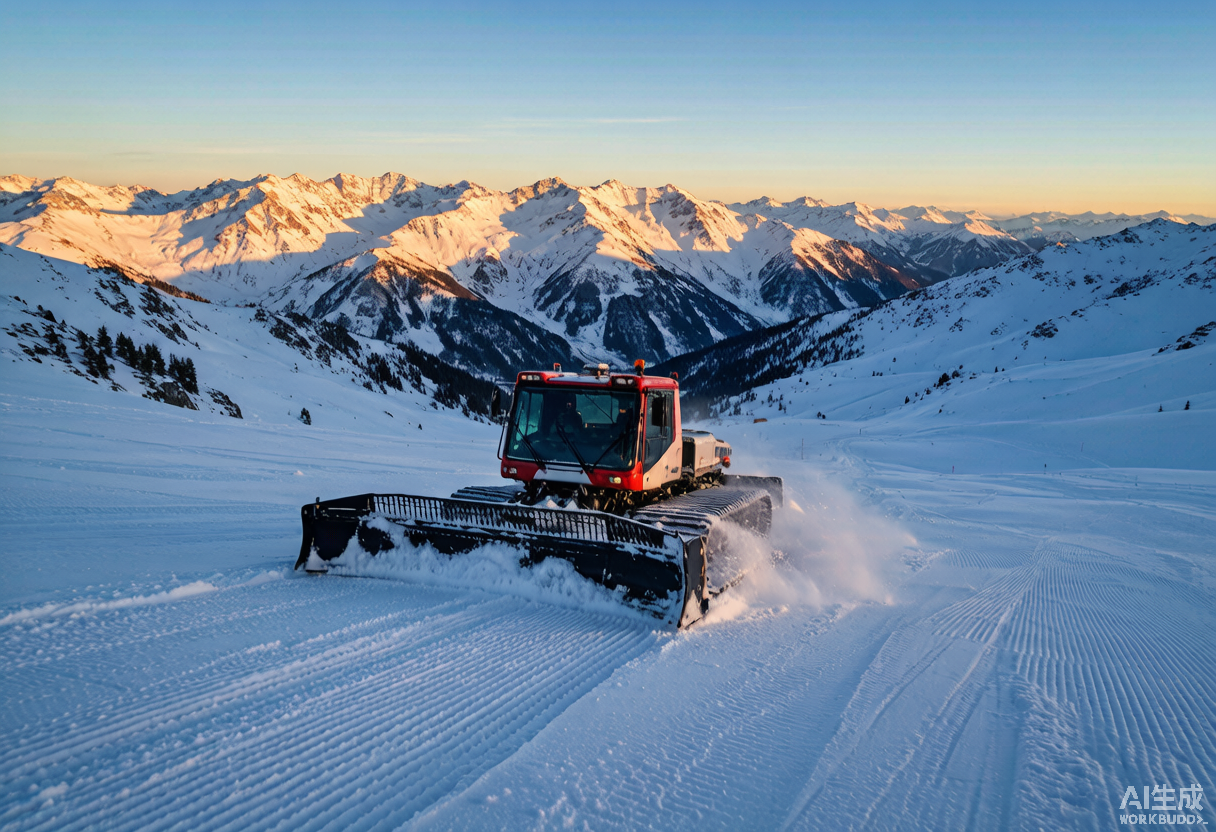
The Northeast often opens in late November and runs into March. Harbin-area and Changbaishan resorts benefit from consistently cold, dry continental air. January is the deep-winter peak: coldest temps, most reliable snow, and the famous ice-and-snow festival atmosphere. Expect busy holiday periods around Chinese New Year, when slopes fill with domestic travelers and nearby hotels sell out. The Northeast is where China’s ski culture is oldest, so the supporting services, from gear shops to English-friendly instructors, tend to be more developed than at newer mountains.
Why Cold Matters Here
Cold, dry snow preserves well and keeps slopes skiable for months. The trade-off is frigid mornings, so dress in layers and watch exposed skin on the lifts. On the coldest days, resorts sometimes delay opening the highest chairs until the wind drops, which is worth knowing if you targeted summit runs.
Xinjiang & the Far West
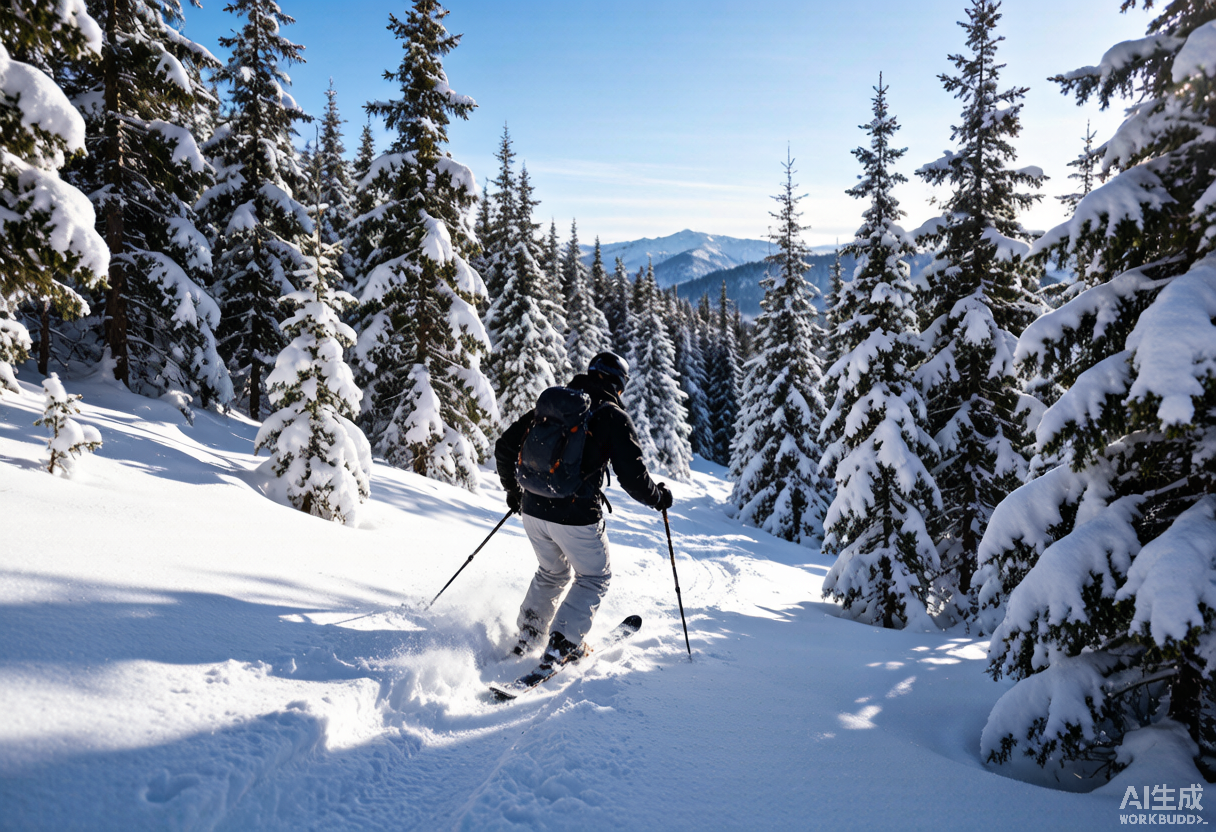
Xinjiang’s season typically starts in late November or early December and can stretch into March or early April at higher resorts. The Altay region is famed for deep, light powder, drawing increasing numbers of international freeride skiers. To time it precisely, see our best time to ski in Xinjiang breakdown, which covers month-by-month snow and crowd patterns so you can aim for the sweet spot between reliable cover and manageable lines.
Long Season, Big Terrain
Because Xinjiang combines altitude and dry continental snow, several resorts keep good coverage late into the spring. That makes it a strong choice for shoulder-season trips when the Northeast has already warmed. If your only window is March or early April, Xinjiang is often the safer bet for real snow than almost anywhere else in the country.
North China & Beijing Suburbs
Resorts within reach of Beijing usually open in December and rely more on snowmaking to extend the season into March. They are convenient for short trips but more weather-dependent than the far north. For resort choices nearby, our where to ski in Xinjiang guide shows how the western mountains compare on scale and snow quality, which helps if you are deciding between a quick Beijing weekend and a longer western expedition. Transport is easy by high-speed rail, but expect the slopes themselves to be smaller and busier than the destination resorts out west.
Western & Southern High Altitude
High plateau and southern ski areas open later, sometimes December or January, and depend heavily on altitude or machines. They suit travelers already in the region more than dedicated ski expeditions. Always verify opening dates, as warm spells can delay starts by weeks. These mountains are also more exposed to strong sun, so sunscreen and lip balm matter even when the air feels cold.
How Snowmaking Extends the Calendar
Modern Chinese resorts invest heavily in snowmaking, which is why Beijing-suburb slopes open before natural cold fully arrives and why some close later than their climate alone would allow. Snowmaking needs sub-freezing nights, so a warm autumn pushes openings back. If you ski early or late, assume more man-made than natural snow and adjust expectations for texture accordingly.
Crowd Calendar: When to Avoid
The two big spikes are the New Year week in early January and the Chinese New Year holiday, which moves between late January and February. Around these dates, lift lines grow, prices rise, and transfers book out. Midweek in non-holiday weeks is consistently quieter. If flexibility is your main tool for a good trip, shift dates away from the two holiday peaks and you will recognize the mountain as a different place.
Booking Flights and Hotels Around the Season
Opening dates should drive your flight and hotel bookings, not the other way around. International travelers usually fly into Urumqi, Beijing, or Harbin and transfer to a resort town, so build buffer days around the expected opening in case a warm spell delays snow. Hotels near the lift base book out first for holiday weeks, and prices track the crowd calendar closely. Booking the mountain stay for a midweek, non-holiday window often costs less and gives you the same snow with a fraction of the lines.
Shoulder-Season Tips for Better Snow
If your only option is early December or March, you can still ski well by choosing the right mountain. Favor high-altitude or far-north resorts, which hold cover longest, and aim for the coldest part of the day. Shoulder weeks also bring the best value: lower tickets, empty slopes, and no holiday pressure. The compromise is thinner early-season cover and softer spring snow later, so pick runs suited to the conditions and you will enjoy the mountain more than a crowded peak-week visit. Pack a wider ski for spring slush and be on the first lift to catch the best morning corduroy before it warms.
Final Planning Checklist
Before you lock dates, run through a short list: confirm the target resort’s opening date for your year, avoid the two holiday peaks unless you want crowds, match the region to your skill and snow preference, and book the mountain stay midweek. Check the Xinjiang Ski Resorts overview if Xinjiang is your pick, since individual mountains differ in season length and altitude, and some smaller hills close earlier than the headline regional dates suggest. A little calendar planning turns a risky guess into a trip timed to real snow, and it usually saves money on the same slopes.
Month-by-Month Quick Reference
- November: Northeast and Xinjiang preview openings; early cold, thin cover.
- December: Most regions open; pre-holiday quiet.
- January: Peak snow and coldest weather; busiest around New Year.
- February: Reliable snow; Chinese New Year crowds.
- March: Spring skiing begins; longer days, softer snow.
- April: High Xinjiang resorts may still run; elsewhere winding down.
Frequently Asked Questions
When does ski season start in China?
Most regions open between late November and December. The Northeast and Xinjiang lead, with some high resorts starting later and relying on snowmaking.
Which month has the best snow?
January is generally the most reliable for natural snow and cold, though it is also the coldest and often the busiest around holidays.
Can you ski in China in March?
Yes. March is popular for spring skiing, with longer days and softer snow, especially in Xinjiang and the Northeast.
Is Chinese New Year a good time to ski?
Snow is good, but resorts are crowded and prices rise. If you prefer quiet slopes, avoid the holiday week or book midweek.
Does Xinjiang ski later than the Northeast?
Often yes. Altay and other high Xinjiang resorts can keep cover into March or early April, extending the western season beyond the northeast.
Does snowmaking change opening dates?
Yes. Resorts with strong snowmaking open earlier and close later, but a warm autumn can still delay starts until nights freeze.