

When most travelers picture a Xinjiang skiing guide, they imagine steep powder descents and cable cars. Yet some of the most memorable winter experiences here happen on flat, quiet trails. Cross-country skiing in Xinjiang pairs endless snowfields with dramatic mountain backdrops, and it is one of the most accessible ways to enjoy the region’s long, cold season. Whether you want a gentle loop near a resort or a multi-day tour through remote valleys, Xinjiang has room for it, and the learning curve is far gentler than most people expect.
Why Choose Cross-Country Skiing in Xinjiang
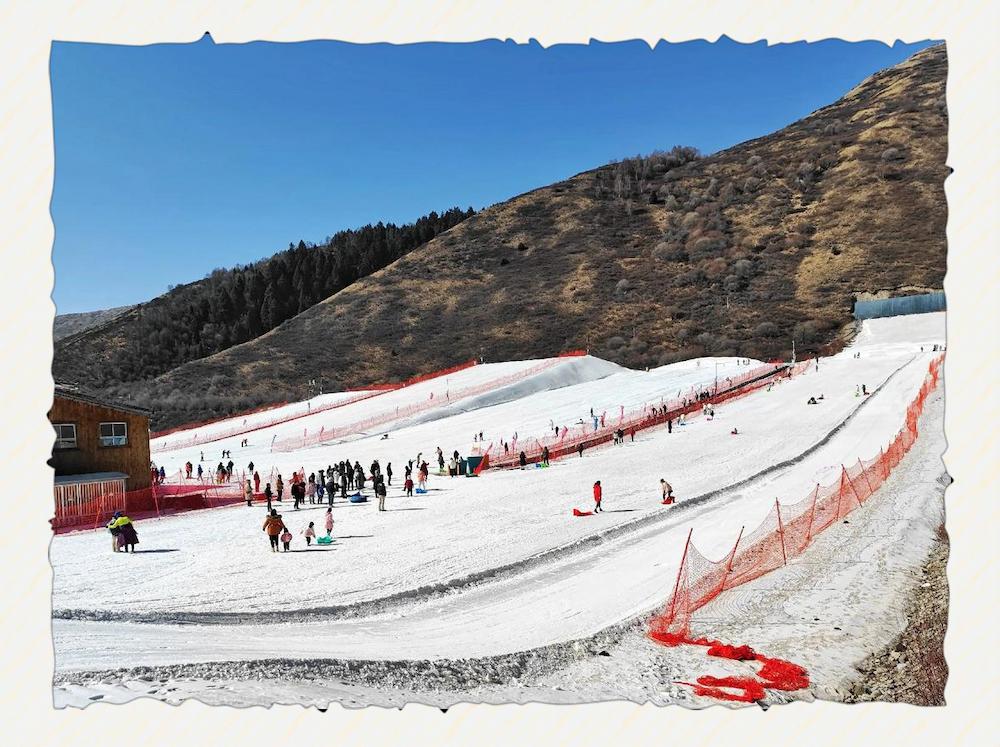
Alpine skiing gets the headlines, but Nordic disciplines reward a different kind of traveler. Cross-country (also called XC or Nordic) skiing is low-impact, relatively easy to learn, and far cheaper than downhill lift tickets. In Xinjiang the appeal is the landscape: wide riverbeds, frozen lakes, and pine forests that stretch toward the Tian Shan and Altai ranges. You set your own pace, stop when you like, and hear almost nothing but your own breathing and the soft scratch of wax on snow.
It is also a smart option for families and older skiers. The risk profile is lower than freeriding, and many trails are groomed and patrolled near the major Xinjiang ski resorts. If you are building a winter itinerary, a half-day on skinny skis is a welcome contrast to lift-served runs, and it lets you explore scenery the chairlift never reaches.
Best Regions for Nordic and XC Skiing
Xinjiang is huge, so location matters. Three areas stand out for cross-country and ski touring.
Urumqi and the Tian Shan Foothills
The capital is the easiest base. Several resorts maintain groomed classic and skate lanes, and the surrounding foothills offer rolling terrain perfect for technique work. This is where most first-timers should start, because rentals, lessons, and warming huts are close at hand.
The Altai Region (Hemu, Kanas, Jiangjunshan)
Further north, the Altai delivers postcard scenery: wooden cabins, birch groves, and deep, light snow. Backcountry touring here is world-class, but it demands respect for weather and isolation. Many visitors combine a few downhill days with guided XC loops led by locals who know the safe lines.
Ili and the Western Grasslands
The Ili valley gets consistent snow and milder winds. Frozen river channels become natural highways for long, meditative tours, and the winter light on the grasslands is extraordinary for photography. Local guesthouses often rent basic gear and point you toward routes that suit your ability.
Classic vs. Skate: Which Style to Learn
There are two main cross-country styles. Classic skiing follows parallel tracks and feels like a natural walking glid; it is the best starting point for most visitors. Skate skiing is faster and more athletic, with a side-to-side motion like ice skating; it demands stronger fitness and smoother snow. Beginners should master classic first, then try skating once their balance and stamina improve. Most rental shops stock classic gear, with skate equipment available at larger resorts.
Gear You Need for Xinjiang XC Skiing
You do not need a quiver of expensive equipment to begin. A basic setup includes:
- Skis: Narrow, light skis with a grip zone (fishscale or kick wax) for classic style, or shorter, stiffer skis for skating.
- Boots and bindings: Flexible boots that let your heel lift; NNN or SNS bindings are common and easy to find in rental shops.
- Poles: Lightweight and roughly armpit height for classic, a little shorter for skating.
- Clothing: Layers that breathe. You generate heat fast, so avoid heavy downhill shells; a wind shell and a breathable base layer work best.
- Safety: Sunglasses or goggles, sunscreen, a small pack with water and a snack, and a phone in a warm pocket.
If you are unsure what to bring, read up on where to ski in Xinjiang for resort-specific rental notes before you travel, since inventory varies by location and season.
Technique Tips for Beginners
Cross-country looks graceful once you learn the rhythm. Start with these fundamentals:
- Diagonal stride: Push with one leg while the opposite arm plants the pole; let the glide carry you forward.
- Weight transfer: Keep your weight over the gliding ski; leaning back is the most common beginner mistake.
- Poling: Drive from the core, not just the arms, to save energy on long flats.
- Cornering: Shift weight to the outside ski and keep knees soft on gentle turns.
- Climbing: Use the herringbone step (skis form a V) on short hills, then transition back to stride.
Most resorts offer a short lesson that pays off for the whole trip. Even an hour of coaching prevents weeks of inefficient habits and sore muscles.
Conditioning and What to Pack
You do not need to be an athlete, but a little preparation helps. A few weeks of walking, cycling, or swimming builds the aerobic base that keeps you comfortable on longer loops. On the day, pack more water than you think you need, a small energy snack, a buff or beanie, and spare gloves. The dry Xinjiang air is deceptive; you sweat and dehydrate without feeling hot, so sip regularly even when you are not thirsty.
When to Go and Snow Conditions
The XC season tracks the broader winter window, roughly November through March, with the coldest and snowiest months offering the most reliable cover. Daytime temperatures can be brutally low, so mornings are often best for firm, fast snow before it softens under the sun. Check the best time of day to ski for timing advice that applies to Nordic trails as well as alpine slopes, because the same freeze-thaw cycle shapes both.
Safety, Weather, and Trail Etiquette
Nordic skiing is safe, but Xinjiang’s scale means self-sufficiency matters. Stay on marked routes unless you are with a guide, tell someone your plan, and turn back if the wind picks up. On shared trails, keep to the right, do not skate in the classic track, and yield to faster skiers. If you enjoy tree skiing on alpine days, save that for the resorts and keep XC touring to open, navigable terrain where you can see the horizon and the weather building.
Combining XC with Downhill Days
A balanced Xinjiang ski trip often blends both disciplines. Spend your first days on alpine slopes to acclimatize to the altitude and cold, then switch to a cross-country morning when your legs need a break from carving. Many visitors find that the slower pace of Nordic skiing sharpens their appreciation of the landscape and leaves them fresher for the next big descent.
Frequently Asked Questions
Do I need prior skiing experience for cross-country in Xinjiang?
No. Classic cross-country is easier to learn than downhill skiing. A short lesson and a flat groomed loop are enough for most beginners to feel comfortable within an hour.
Can I rent cross-country gear in Xinjiang?
Yes, the larger resorts around Urumqi and some Altai guesthouses rent Nordic skis, boots, and poles. Availability is thinner than alpine gear, so call ahead during peak season to avoid disappointment.
Is backcountry XC touring safe for visitors?
Guided tours are safe and rewarding. Unaccompanied backcountry travel is only for experienced skiers with navigation, cold-weather, and emergency skills, plus local route knowledge and the right avalanche gear.
What clothes should I pack for XC skiing?
Dress in breathable layers rather than heavy shells. You will warm up quickly, so a wicking base layer, a light mid-layer, and a windproof jacket are ideal, with spares in your pack.
How does XC skiing compare in cost to downhill?
It is much cheaper. Without lift tickets, your main costs are gear rental and trail access, and many community loops are free or inexpensive compared with a day of alpine lift passes.