

A ski trip to Xinjiang is usually sold on its powder, but the mountains are alive in ways most visitors never expect. Between runs you can find fox tracks etched across a groomed piste, eagles riding thermals above the tree line, and in the far north, the faint sign of a snow leopard patrolling its territory. Winter wildlife around Xinjiang ski areas is one of the quiet rewards of traveling to this remote, high, and astonishingly wild corner of China, and it asks only that you slow down long enough to notice it.
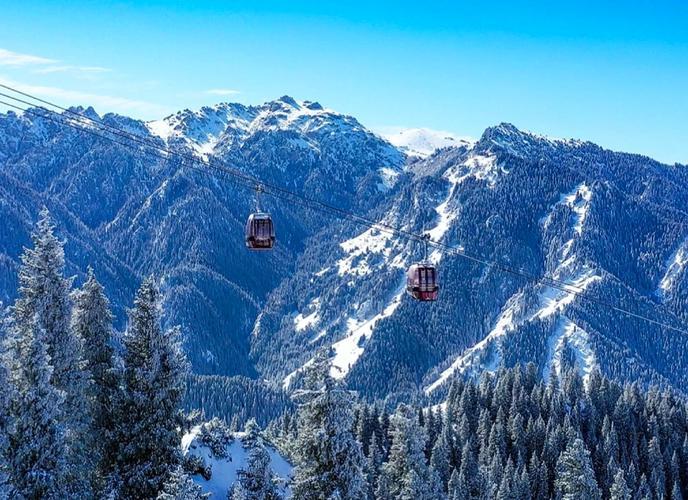
Why Xinjiang’s Mountains Stay Wild in Winter
Xinjiang’s ski regions sit at the edge of some of the largest intact wilderness areas left in Asia. The Altai range in the north, the Tian Shan around Urumqi, and the Pamir foothills in the south all hold ecosystems that never fully shut down when the snow arrives. Cold is not a barrier here; it is simply the season. Animals adapt, migrate to lower valleys, or grow thicker coats, and the resorts themselves occupy only a thin ribbon of the landscape, leaving vast tracts of forest, steppe, and alpine meadow untouched and open to the wildlife that has always lived there.
For a nature-minded traveler, that means a ski holiday here doubles as a wildlife holiday. You do not need to leave the resort to notice it. The tracks are in the snow at the edge of the piste, the calls are in the trees above the lift line, and the stories are told by the people who live there year-round. With a little patience, the mountain reveals a second sport: watching, not skiing.
Animals You Might Spot Near the Resorts
Most sightings happen at dawn or dusk, when the resorts are quiet and the light is soft. Keep your eyes open for these species, and remember that even a single track in fresh snow counts as a sighting worth recording:
- Red foxes – common around resort bases, especially near lodges and food areas. Their rust-colored coats stand out sharply against white snow, and their delicate paw prints are often the first wildlife sign a visitor notices.
- Eurasian lynx – secretive and rare, but present in the Altai and Tian Shan forests. Tracks in fresh snow and the occasional glimpse of a tufted ear in the brush are the usual giveaways.
- Siberian ibex – sure-footed climbers that graze on rocky, snow-free ledges above the tree line, often silhouetted against the sky as you ride a chairlift.
- Snow cocks and grouse – chicken-sized birds that burrow into snow drifts to roost and explode into flight when startled, a small drama that plays out yards from the run.
- Golden eagles and upland buzzards – soaring riders of the wind, easy to spot against a bluebird sky and unforgettable when one passes close overhead.
- Wolves – heard more often than seen, their howls carrying across frozen valleys at night from the forests beyond the resort boundary.
- Snow leopard signs – in the remote Altai backcountry, look for paw prints the size of a large dog, scrapes on ridge lines, and the rare dawn sighting of the cat itself moving along a high traverse.
Best Places to Look for Nature Between Runs
You do not have to skip skiing to enjoy the wildlife. Some of the best viewing happens at the edges of the ski area, where the groomed world meets the wild one:
- Lower forest trails – resort boundary tracks and gladed runs hold the most animal activity because they mix food, cover, and shelter in a small space.
- Lift-line tree sections – riding a slow chairlift through birch or spruce gives you a bird’s-eye view of tracks and movement below, especially early in the morning.
- Frozen lakes and river bends – just outside the resort base, these attract drinkers and hunters at dawn and make excellent quiet walking.
- Sunrise skin tracks – early uphill touring, done quietly and within resort guidelines, often passes through active wildlife corridors before the crowds arrive.
Responsible Wildlife Watching in Cold Climates
Winter is hard on animals. Every calorie matters, and a stressed animal burns energy it may not recover before spring. Follow a few simple rules so your presence leaves no mark:
- Keep your distance. Use binoculars or a zoom lens. If the animal changes its behavior because of you, you are too close and should back away.
- Never feed wildlife. Human food harms digestion and teaches animals to approach lifts and lodges, where they get hurt or culled.
- Stay on marked routes. Breaking into untouched powder off the side may trample dens, nests, or fragile winter forage you cannot see under the snow.
- Pack out everything. Litter in a snowy base area lingers until the thaw and draws scavengers into danger near people.
- Go with a local guide. A knowledgeable Xinjiang ski guide often knows where animals move by season and can get you there without disturbance or risk.
A Seasonal Calendar for Wildlife
Timing shapes what you see. Early season, after the first stable snow, is excellent for tracking because prints stay clear for days. Mid-winter brings the deepest cold and the best chance of lynx and owl activity near the tree line. Late season, as snow softens, animals move lower and become more visible from the base. Whenever you visit, the Altai’s ancient skiing heritage reminds you that people and these mountains have shared winters for more than ten thousand years, and the wildlife was here first.
Photographing Wildlife Without Disturbing It
A long lens and a steady hand beat a close approach every time. Shoot from the resort edge or a marked trail, turn off your flash, and resist the urge to chase a moving animal for a better frame. If you are also exploring backcountry powder in Xinjiang, carry the same restraint into the wild: a great photo is never worth pushing an animal off its line. Share your sightings with your lodge; over a season these notes build a quiet map of the valley’s life.
Combining a Ski Trip with a Nature Escape
Many travelers plan a few resort days, then add a slower excursion into the surrounding reserve or national park. The Altai region in particular pairs world-class skiing with traditional Kazakh and Mongol winter culture, yurt stays, and guided snowshoe walks where the only tracks are yours and the foxes’. A night at a Kazakh yurt stay near the ski areas turns the wildlife theme from observation into immersion, with stories around a stove and fresh snow waiting outside the door at dawn.
Bring a small field notebook or a phone with a good zoom. Photograph tracks, feathers, and scat as eagerly as you photograph your turns. Over a week you will build a quiet portrait of a living winter world that most ski destinations have long since lost, and you will go home with more than just tired legs.
Frequently Asked Questions
Is it safe to encounter wildlife while skiing in Xinjiang?
Yes, with normal caution. Most animals avoid people. The main risks are surprising an animal at close range or skiing into an unmarked backcountry zone where larger mammals roam. Stay within resort boundaries unless with a guide, and give any animal a wide berth.
What is the best time of day to see wildlife?
Dawn and dusk are reliably best. Resorts are empty then, temperatures are calm, and animals move to feed or drink. A sunrise skin track or a late-afternoon traverse is often more rewarding for nature than midday powder.
Can I see a snow leopard on a ski trip?
It is possible but unlikely. Snow leopards live in the remote Altai and Tian Shan backcountry and are famously elusive. Treat any sighting as a rare gift rather than an expectation, and never pursue one for a photo.
Should I join a guided nature tour?
If wildlife is a priority, yes. Local guides know seasonal movement, respect boundaries, and dramatically improve your odds of ethical, close-range views without harming the animals or the habitat.
What should I pack for wildlife watching?
Binoculars, a zoom camera or phone lens, warm layers for standing still, and a small notebook. Avoid bright colors; muted tones help you blend into the snowy landscape and keep animals calm.