

Skiing in China is often described as a young sport, and on the surface that is true: most of the country’s resorts opened after 1990, and the boom in recreational skiing really took off in the 2000s. But the deeper story of China ski culture and history reaches back centuries, blending northern frontier traditions, mid-20th-century state sport programs, and the rapid commercial build-out of the last two decades. Understanding this arc helps foreign visitors appreciate why the slopes feel the way they do today, and why certain habits, on-mountain manners, and regional styles feel so distinct.
The Earliest Roots: Practical Skiing in the North
Long before ski lifts and groomed pistes, communities in the far north used skis for travel, hunting, and survival. The broader story of skiing in China’s northwest owes a debt to these traditions, where snow-covered terrain made skis a practical tool rather than a leisure item. Among the Altay people of what is now Xinjiang, oral tradition and archaeological finds point to ski-like implements used for movement across deep snow, and the region is frequently cited in discussions of where skiing first emerged as human practice.
These early skis were not the carved, fiberglass shapes of today. They were often simple wooden planks, sometimes bound with animal hide, built for floatation and distance. The purpose was function: reaching hunting grounds and crossing passes that would otherwise be impassable in winter. In a landscape where a frozen valley could mean isolation, the ski was a lifeline, not a toy.
From Survival Tool to Symbol
As transportation modernized, the everyday need for skis faded, but the cultural memory remained. In cold northern regions the idea of gliding on snow stayed alive as a seasonal skill passed between generations, eventually feeding into organized sport. Folk festivals, winter games, and local pride kept the image of the skier present even when few people relied on skis day to day.
State Sport and the First Resorts
The organized era of Chinese skiing began in the mid-20th century, when winter sport was promoted as part of physical culture and athletic development. Skiing found a home in the northeast, where cold, reliable snowfall and mountainous terrain made it practical. Towns in Heilongjiang and Jilin became early centers, building the first managed slopes and training the first generation of Chinese ski athletes who would later coach the recreational boom.
During this period skiing was largely a competitive and institutional activity rather than a mass pastime. The number of participants was small, and access was limited. Still, this foundation created the coaching knowledge, the venue experience, and the appetite that later commercial resorts would build on. The discipline of structured training also shaped a culture that values instruction and progression.
The Modern Boom: 1990s to Today
The turning point came as incomes rose and leisure travel expanded. The 1990s and 2000s saw the first wave of commercially run resorts, and the 2010s brought explosive growth. Hosting major international winter events accelerated investment, lifted standards, and put Chinese skiing on the global map, drawing attention from equipment brands and foreign ski schools alike.
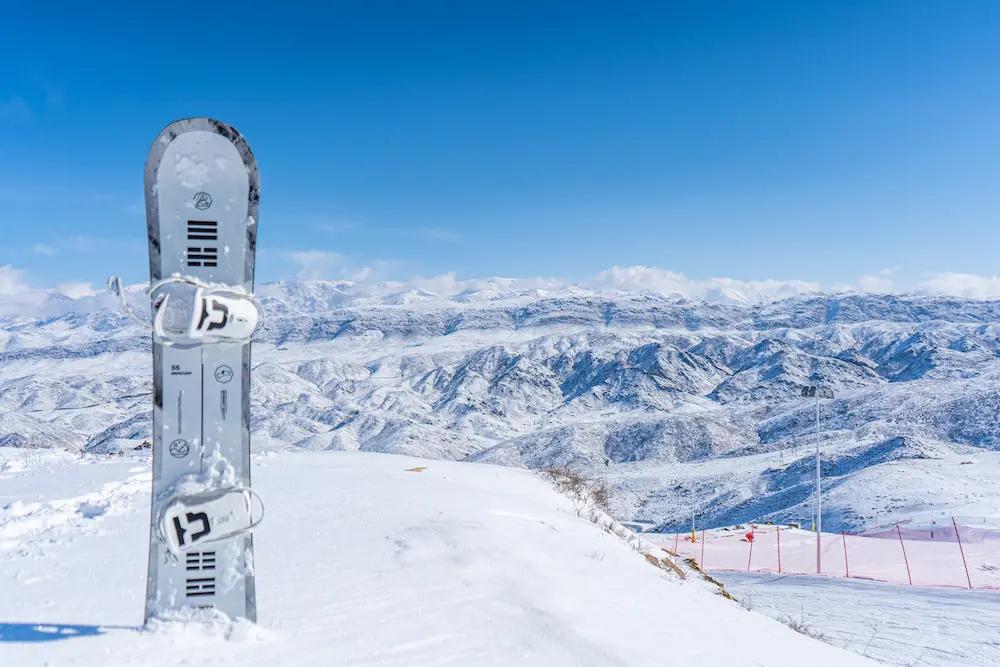
Today the country has hundreds of ski areas ranging from small local hills to large destination resorts with cable cars, snowmaking, and international-standard infrastructure. The resort landscape now spans many provinces, including the fast-growing slopes of Xinjiang in the far west, where dry continental snow and big mountain terrain attract a new generation of riders.
What Changed for Visitors
Foreign skiers today encounter a very different scene than even fifteen years ago: English signage is more common, rental fleets are newer, and service standards at major resorts are closer to those in Europe or North America. The learning curve for a first trip is far gentler than it once was, and booking platforms make planning straightforward.
Regional Character: Northeast, North, and Northwest
China’s ski regions each have their own feel. The northeast offers deep cold and a long season; the north around Beijing and Hebei pairs easy access with big, modern resorts; and the northwest, especially Xinjiang, combines dry powder, dramatic mountain scenery, and a frontier atmosphere that sets it apart from the busier eastern hills.
For travelers weighing where to go, Xinjiang’s resorts are worth a close look because the snow quality and scale rival better-known destinations while crowds stay manageable, giving the region a sense of exploration that older resorts have lost.
Etiquette and On-Slope Culture
Chinese ski culture places real emphasis on orderly conduct and shared enjoyment of the mountain. Lift queues are organized, beginner areas are clearly separated, and instructors play a central role in the experience. First-time visitors from abroad often note how welcoming lessons feel and how seriously resorts take safety briefings, which keeps slopes calm and approachable.
Learning the basics before you go also helps. Timing your trip well means you arrive during the best snow and avoid the busiest holiday peaks, which changes the whole tone of the visit and lets the culture show at its most relaxed.
The Social Side: Food, Music, and Resort Life
Beyond the snow, Chinese resort culture has a strong social layer. Mid-mountain restaurants, hot pots, and evening gatherings turn a ski day into a shared event. Music and themed weekends are common at larger resorts, and the apres-ski scene, though different from the bar-centered European model, is warm and family-friendly. This communal style is part of what makes a first trip feel welcoming rather than intimidating.
A Global Sport With a Local Accent
Chinese skiing did not develop in isolation. Equipment, technique, and resort design borrowed from Europe, Japan, and North America, then adapted to local climate and taste. The result is a hybrid: world-class lifts and grooming alongside distinctly Chinese hospitality and food. A broader China skiing overview shows how these threads weave together across regions and skill levels.
Frequently Asked Questions
Is skiing a new sport in China?
Recreational and resort skiing is relatively new, expanding rapidly since the 1990s, but practical skiing traditions in northern communities go back much further. The modern resort era is young, while the cultural memory of snow travel is old.
Where did Chinese skiing start?
Organized skiing began in the northeast, in provinces like Heilongjiang and Jilin, where cold weather and mountains suited the sport. These regions remain important training and competition centers today, and they seeded the coaches who now teach across the country.
How does Chinese ski culture differ from Europe?
The biggest differences are the emphasis on instruction, the orderly lift culture, and the rapid pace of resort modernization. Resort food, music, and social scenes also reflect local taste, giving Chinese slopes a distinct character that visitors quickly learn to enjoy.
Are foreign visitors welcome at Chinese resorts?
Yes. Major resorts are used to international guests, and staff at front desks and ski schools increasingly speak some English. Booking lessons and rentals ahead makes the first day smoother, and many resorts offer multi-language signage.
What is the best region for a first trip?
It depends on priorities. The north offers convenience and big resorts; the northeast offers cold, reliable snow; and Xinjiang appeals to those who want dramatic scenery and quieter slopes. Comparing regions before you commit saves time and matches the trip to your style.
How has hosting international winter events changed skiing in China?
Major events pushed investment in infrastructure, raised service standards, and grew public interest. The result is better lifts, more snowmaking, and a larger community of recreational skiers than existed a generation ago, with the benefits reaching even remote resorts.