

Packing for a ski trip in Xinjiang is not the same as packing for the Alps, Hokkaido or Colorado. Altay sits at roughly 47 degrees north, deep inside the Eurasian landmass, with no ocean nearby to moderate the cold. Base-village mornings routinely start at minus 20C, and cold snaps in January can push the thermometer past minus 30C. Meanwhile the snow is famously dry, the sun at altitude is fierce, and the distances between resorts, airports and cities are long enough that you may spend several hours a day in a vehicle. A packing list built for a maritime snowpack will leave you cold, damp and frustrated.
This guide walks through what actually belongs in your bag, layer by layer, plus the small items travellers most often forget: spare batteries, lip protection, plug adapters and paperwork. It is written for the international visitor flying in with one checked bag and a carry-on, not for someone driving from the next province with a car boot full of gear.
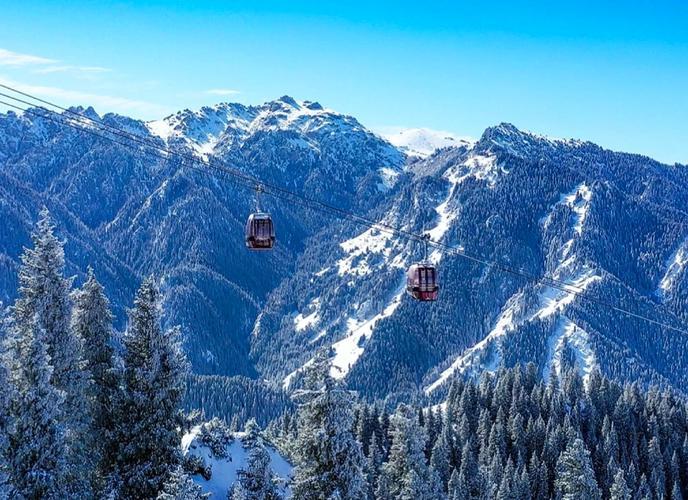
Understand the Climate Before You Pack
Xinjiang’s ski season runs from roughly mid-November to early April, and conditions change dramatically across those months. Understanding which slice of the season you are visiting is the single biggest factor in what goes into your suitcase.
- Mid-November to December: Cold but not extreme, base building, shorter daylight. Expect minus 10C to minus 20C.
- January: The deep freeze. Minus 20C to minus 30C on the coldest mornings, with occasional colder inversions in valley bottoms. Best powder, hardest on your gear and your face.
- February: Still very cold but with noticeably longer, brighter days. Many regulars consider this the sweet spot.
- March to early April: Spring skiing. Daytime temperatures can climb above freezing on sunny slopes while mornings stay firmly below zero, so you need a wider temperature range in your kit.
If you are still choosing dates, it is worth reading up on the best time to ski in Xinjiang before you finalise flights, because a January trip and a late-March trip call for meaningfully different packing choices. The general Xinjiang skiing guide covers the wider trip-planning picture if this is your first visit to the region.
The Layering System That Works in Dry Cold
Dry continental cold is, counter-intuitively, easier to dress for than damp coastal cold, provided you get the system right. Moisture management matters more than raw insulation thickness, because sweat that freezes inside your layers is what actually makes people miserable.
Base Layer
Bring two sets of merino wool or a quality synthetic base layer, top and bottom. Merino in the 200 to 260 gram weight range is ideal for Altay in midwinter. Avoid cotton entirely. Two sets lets you rotate: one on the mountain, one drying in your room. Long-sleeve crew necks are more versatile than zip necks in extreme cold because they seal better at the throat.
Mid Layer
A 200-weight fleece or a lightweight synthetic-fill jacket works well as the everyday mid layer. For January, add a thin down or synthetic puffy as a second mid layer you can add or drop. Synthetic insulation is more forgiving than down if you sweat heavily, though the dry air here means down performs better in Xinjiang than it would in a wetter climate.
Outer Layer
A properly insulated ski jacket beats a shell-only setup for this region unless you are a high-output touring skier. Look for a high collar, a powder skirt, a helmet-compatible hood and, most importantly, generous pockets that you can operate with gloves on. Insulated bib pants are worth the extra bulk. They keep snow out on deep days and eliminate the cold gap at your waist when you sit on a chairlift for fifteen minutes. Detailed guidance on stacking these pieces is covered in the dedicated article on Xinjiang ski clothing and layering.
Extremities: Where Trips Actually Go Wrong
Almost every cold-injury story from Altay involves fingers, toes, ears or cheeks rather than the torso. Budget your packing attention accordingly.
- Gloves: Mittens over gloves for January. Bring a warm mitten as your primary and a lighter glove as a backup for warmer days and for tasks needing dexterity. A thin liner glove underneath lets you handle your phone or boot buckles without exposing bare skin.
- Socks: Three to four pairs of proper ski socks. One pair per day, never doubled up, because two pairs compress circulation and make your feet colder, not warmer.
- Face: A neck gaiter or balaclava is not optional in January. Bring two so one can dry. A neoprene face mask is worth considering for the coldest mornings.
- Head: A helmet plus a thin beanie for apres and transfers. Helmets with closable vents are a real advantage here.
- Feet off-mountain: Insulated winter boots rated well below zero. Street sneakers are genuinely unsafe on icy village paths and in minus 25C.
Hand and Toe Warmers
Disposable chemical warmers are cheap, light and transformative on the coldest days. Bring a dozen from home. They are available locally but not always at resort convenience shops, and adhesive toe warmers in particular can be hard to find.
Goggles, Sun and Skin
The combination of high-latitude sun, snow reflection and very dry air is harsh on skin and eyes. Two goggle lenses are strongly recommended: a low-light lens for flat-light and snowy days, and a darker lens for the bluebird days that follow storms. Snow blindness is a real risk on bright afternoons above the treeline.
- High-SPF sunscreen, applied even on cloudy days
- SPF lip balm, at least two sticks, because they get lost constantly
- A heavy moisturiser or barrier cream for cheeks and nose
- Sunglasses for the drive and for village walking
Anti-fog treatment for goggles is more useful here than in milder climates. The temperature differential between a heated gondola cabin and the outside air is enormous, and goggles that fog then freeze are effectively useless for the rest of the run.
Gear: Bring It or Rent It
Major resorts including the Altay cluster have rental fleets covering skis, boards, boots and poles, and quality has improved substantially in recent seasons. Rental is a reasonable choice for a short trip. That said, two items are worth bringing from home if you own them.
- Your own boots. Fit is everything, and cold amplifies the discomfort of a poorly fitted rental boot. Boots are also the hardest item to size correctly in a busy rental shop across a language barrier.
- Your own helmet and goggles. Hygiene aside, a helmet that fits your head and goggles that fit your helmet is a combination worth protecting.
If you plan to ski powder off the groomed runs, bring or arrange avalanche safety equipment and hire a guide. Terrain in the Altay backcountry is serious, and rescue resources are thinner than in a European resort. Skiers weighing which mountain to base themselves at will find a comparison of the main options in the overview of Xinjiang ski resorts.
Documents, Electronics and Practical Items
Xinjiang involves more paperwork checkpoints than most Chinese destinations, so keep documents accessible rather than buried in a checked bag.
- Passport, plus photocopies or phone photos of the photo page and visa
- Hotel booking confirmations, printed as well as digital
- Travel insurance documents that explicitly cover skiing
- Chinese type A and type I plug adapters, plus a multi-port USB charger
- A power bank, kept in your inside jacket pocket where body heat keeps it working
- Spare camera batteries, since cold cuts battery life roughly in half
Mobile payment dominates in China, so set up a payment app linked to an international card before you arrive, and still carry a few hundred yuan in cash for small village shops and taxi drivers. Download offline maps and a translation app before you leave your last reliable wifi connection.
Medications and a Small First-Aid Kit
Village pharmacies at ski areas are limited and labelling is in Chinese. Pack your own basics: any prescription medication in original packaging with a copy of the prescription, plus painkillers, blister plasters, throat lozenges for the dry air, rehydration salts and any personal essentials. A saline nasal spray is unexpectedly useful, as heated indoor air combined with sub-zero outdoor air dries out sinuses fast.
What You Can Safely Leave at Home
Overpacking is as common as underpacking. You do not need heavy formal clothing, more than one pair of jeans, a bulky towel, or a large supply of snacks. Resort villages have restaurants and shops, and dining out is one of the more affordable parts of a Xinjiang trip. You also do not need a separate rain jacket. Precipitation here falls as snow, and your ski shell handles anything you will realistically encounter.
A Compact Checklist
- 2 base layer sets, 2 mid layers, insulated jacket, insulated bib pants
- Mittens plus backup gloves and liners, 4 ski socks, 2 neck gaiters or balaclavas
- Helmet, goggles with 2 lenses, sunglasses, sunscreen, lip balm, moisturiser
- Insulated winter boots for the village, beanie, warm casual layers for evenings
- Hand and toe warmers, power bank, adapters, spare batteries
- Passport and copies, insurance covering skiing, printed bookings
- Personal medication and a small first-aid kit
Pack that list, allow for the specific month you are travelling in, and the cold becomes a manageable feature of the trip rather than the thing you remember most. For visitors combining Altay with resorts elsewhere in the country, the broader China skiing guide puts the regional differences in context.
Frequently Asked Questions
How cold does it actually get at Xinjiang ski resorts?
Base-area temperatures in January typically sit between minus 20C and minus 30C in the early morning, warming to around minus 10C to minus 15C by early afternoon on a sunny day. December and February are usually five to ten degrees milder, and March can be near freezing on sunny afternoons.
Should I rent ski equipment or bring my own?
Rentals at the main resorts are adequate for skis, boards and poles, so most short-trip visitors rent those. Bring your own boots, helmet and goggles if you own them, because fit matters enormously in extreme cold and those items are the hardest to substitute.
Is one ski jacket enough, or do I need a separate down jacket?
Bring both if you can. An insulated ski jacket handles the mountain, and a packable down jacket is invaluable for evenings, transfers and standing around at viewpoints. The down jacket also doubles as an emergency extra mid layer on the coldest lift rides.
Can I buy forgotten items locally?
Resort shops carry basics such as gloves, hats and goggles, and larger cities like Urumqi have full outdoor retailers. Specialist items, technical base layers in Western sizing and specific boot models are harder to find, so do not plan on replacing core gear once you arrive.
How much luggage should I plan for?
One checked bag of around 23 kilograms plus a carry-on is enough for a one-week trip if you rent skis. Keep base layers, medication and a warm hat in the carry-on so a delayed bag does not cost you a ski day.