

Learning to ski in China is easier and more rewarding than most first-timers expect. With world-class resorts in Xinjiang, Heilongjiang, and Jilin, plus affordable lift tickets and English-friendly ski schools, the country has become one of Asia’s fastest-growing winter destinations. This guide walks you through everything a beginner needs before, during, and after a first ski trip to China, from choosing a resort to staying safe on your very first run. Whether you have never stood on snow or you simply want a calm, well-organised introduction, the steps below will help you book with confidence and avoid the common pitfalls that frustrate new skiers.
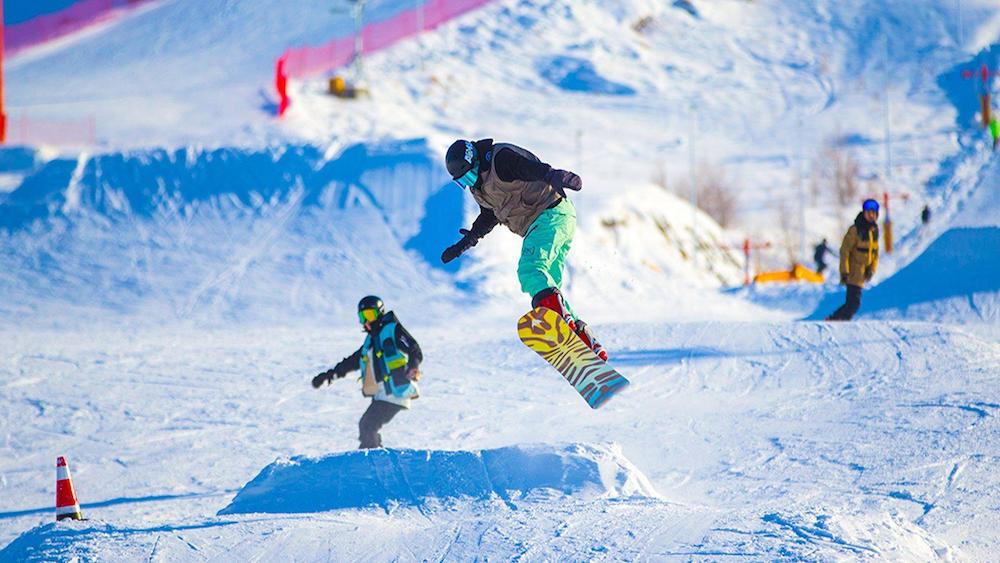
Why Begin Skiing in China
China offers a rare combination of long seasons, reliable snow, and low costs. Resorts range from gentle beginner bowls to Olympic-grade slopes, and most have dedicated learning areas with magic carpets and patient instructors. For travelers used to crowded European pistes, the wide-open beginner zones here feel calm and unhurried, which is exactly what a first-timer needs to relax and learn. Infrastructure has improved dramatically over the past decade, and even remote mountains now offer heated lodges, modern equipment rental, and clear English signage at every key junction.
- Short transfer times from major cities to many resorts make a first trip simple to plan.
- Beginner lift tickets often cost a fraction of European or North American prices.
- Modern rental fleets and heated base lodges keep first trips comfortable in deep cold.
- English signage and multilingual instructors are now standard at leading mountains.
- Artificial snowmaking extends the season when natural falls arrive late.
Choosing Your First Resort
If snow quality and scenery top your list, start with the Xinjiang Ski Resorts, where deep continental snow and dramatic mountain backdrops make for an unforgettable debut. Our Xinjiang Skiing Guide breaks down the best beginner-friendly slopes by resort, so you can match terrain to your confidence level before you book. Look for mountains that advertise dedicated teaching slopes, because practising away from faster traffic builds skill without pressure and lets you fall safely when you inevitably do.
When to Plan Your Trip
Timing matters for beginners. The best time to ski in Xinjiang runs from December through March, with January offering the most consistent powder and the calmest conditions for learning. Avoid the busiest Spring Festival weeks if you prefer quieter lifts and more space to practise, but note that those weeks also bring the most festive atmosphere if you enjoy crowds, lanterns, and on-mountain events.
What to Pack and What to Rent
Most resorts rent skis, boots, helmets, and poles on site, so you only need warm layers, goggles, and gloves. If you want the full picture of where to base yourself, see our guide on where to ski in Xinjiang, which covers base villages, lodging, and transfer times for each mountain. Pack a small daypack for water, snacks, and an extra glove, because cold fingers end a session faster than tired legs, and a thermos of sweet tea is a small luxury beginners quickly learn to love.
Lessons and Safety for First-Timers
Book at least one lesson on day one. Chinese ski schools use standardized progressions, and many instructors speak basic English. Always stay in marked beginner zones and follow resort signage, especially near lift exits where faster skiers merge. A good instructor will have you sliding, stopping, and turning on the magic carpet within the first hour, which removes most of the fear that holds adults back and sets a positive tone for the rest of the week.
- Warm up with light stretches before your first run to prevent muscle strain.
- Learn the snowplough stop before attempting any chairlift on your own.
- Take regular breaks to avoid fatigue, the main cause of beginner injuries.
- Carry your resort map and know the green-run route back to base.
- Wear a helmet every session, even on the gentlest beginner slope.
Understanding Lift Tickets and Passes
Beginner passes usually cover the magic carpet and lower chairlifts only, which is exactly what you need for the first two days. Multi-day passes are cheaper per day and let you repeat the same gentle slopes until turns feel natural. Keep your pass in a dedicated pocket so it scans quickly at the gate, and ask the ticket desk which lifts are included so you do not accidentally ride into terrain above your level before you are ready for it.
Getting There: Transfers and Airports
Major ski regions connect to regional hubs by fast train or short flight, then a resort shuttle completes the trip. Booking transfers through your hotel avoids language hassles and guarantees a vehicle with space for bulky gear bags. Arrive a day early to recover from travel before your first lesson, because skiing on a tired body after a long journey leads to sore muscles and slow progress, and a relaxed first morning makes the whole trip smoother.
Food, Warmth, and Après-Ski for Beginners
Base lodges serve hot noodles, dumplings, and tea that refuel cold muscles between runs. Layer with a thermal base, insulated mid-layer, and waterproof shell so you can shed heat on the lift and trap it on the slope. The heated decks at most resorts are perfect for watching the light fade after a first successful day, and a warm meal at midday is the difference between a three-hour session and a full-day one for most beginners.
Common Beginner Mistakes to Avoid
- Skipping the lesson to save money often costs more in frustration later.
- Wearing jeans or cotton leaves you cold and damp within an hour on the snow.
- Trying blue runs too early leads to falls that dent confidence for days.
- Forgetting sunscreen at altitude causes painful burns by mid-afternoon.
- Renting boots a size too big makes edging impossible and hurts your shins.
Building Confidence Over a Week
Most adults link confident turns within three to five days of daily practice. Spend morning lessons on technique, afternoons repeating green runs, and evenings reviewing what felt awkward. By day four many beginners ride a gentle blue with a grin, and that progress is the real reward of a first China ski trip. Keep a simple log of what you practised each day; the visible improvement keeps motivation high when legs are sore and the cold tempts you to quit early.
Etiquette and Staying Found
Mountains here follow the same basic courtesy as anywhere: keep right on cat tracks, signal before crossing, and yield to the skier below you. Carry the resort map on your phone and note the meeting point you agree on with friends before splitting up. If you do get lost, follow green signs back to a lift or base rather than cutting across unknown terrain in fading light, because a short, safe detour beats a long, cold mistake.
Beyond Xinjiang: A Wider View
China’s ski map is broad. Our China Skiing Guide compares regions and snow conditions nationwide, while night skiing in Xinjiang is a magical way to end a first day on the slopes under floodlights, with lit pistes and a festival atmosphere at base. Once you have a few days behind you, trying a night session is a gentle next step that feels adventurous without leaving the beginner zone you already trust.
Frequently Asked Questions
Do I need to speak Chinese to ski in China?
No. Major resorts post signs in English and employ multilingual instructors. Translation apps cover menus, shuttles, and shop interactions comfortably, so language is rarely a real barrier for visitors who plan ahead.
How much does a beginner ski trip cost?
Lift tickets for beginners often run well under comparable Western resorts, and rentals are inexpensive. Budget separately for lessons, lodging, and transfers, and consider a multi-day pass to lower the daily rate and lock in your favourite beginner slopes.
Is skiing in China safe for complete beginners?
Yes, with lessons and by staying in designated beginner areas. Resorts patrol slopes and staff first-aid stations near the base, and helmet rental is widely available at the ticket desk for a small daily fee.
When is the snow best for learning?
January delivers the most stable base and forgiving conditions, ideal for first turns and building confidence before you attempt longer or steeper runs later in the season.
Can families with kids ski together?
Absolutely. Many resorts have family learning zones and child-specific programs with English-speaking coaches and gentle terrain suited to young first-timers who need patient, playful instruction.
Should I buy or rent equipment as a beginner?
Rent for your first trip. You will learn which boot fit and ski length suit you before committing to a purchase, and rental fleets at major resorts are modern, well maintained, and tuned for easy turning.