

The phrase “ski-in ski-out” shows up on hotel listings across northern Xinjiang, but it means very different things depending on which mountain you are looking at. At a few properties you genuinely step out of a ground-floor boot room, click into your bindings on packed snow, and glide to the lift queue. At others, the same phrase describes a hotel that sits four hundred metres from the base area, separated by a car park, a service road, and a flight of icy steps. In a region where January mornings routinely sit below minus twenty-five degrees Celsius, that gap is not a small inconvenience. It decides how many runs you actually get, how cold your family is by lunchtime, and whether the beginner in your group still wants to ski on day three.
This guide explains what ski-in ski-out realistically looks like at Xinjiang resorts, which mountains deliver it, what you trade away in exchange, and how to verify a booking claim before you pay a deposit.
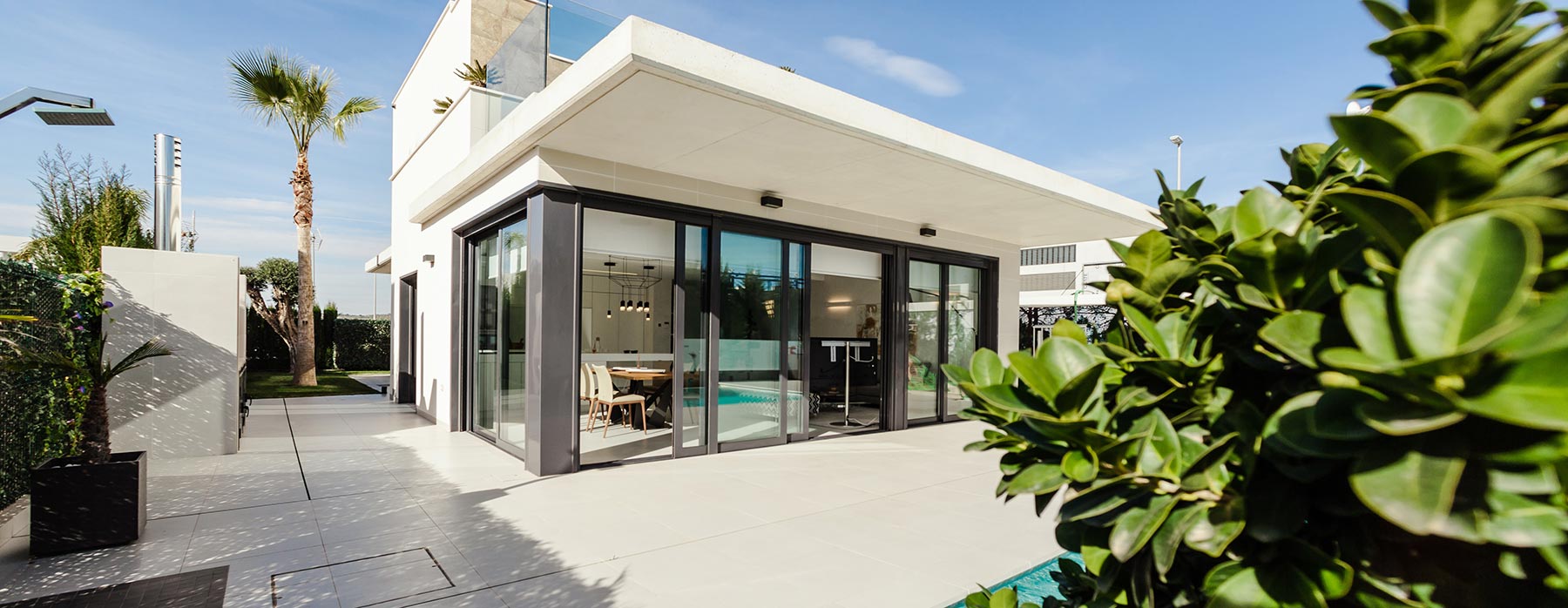
What Ski-In Ski-Out Actually Means Here
In the Alps or Japan, ski-in ski-out usually implies a dedicated snow corridor linking the building directly to a marked piste. Xinjiang’s lift-served infrastructure is much newer — most of the modern terrain was built between 2015 and 2024 — and the accommodation was frequently planned before the final trail map existed. The practical result is three tiers, and only one of them is the real thing:
- True ski-in ski-out. You exit a heated ski room at ground level, step onto snow, and reach a lift or an easy run without taking your skis off. Only a handful of properties across the region qualify.
- Ski-adjacent. The hotel sits inside the resort boundary, a two- to five-minute walk from the gondola, and you carry your gear across cleared pavement. This is by far the most common arrangement and is perfectly workable for most travellers.
- Base village. The property is a kilometre or more from the lifts and runs a shuttle every fifteen to thirty minutes. Marketing copy still sometimes calls this ski-in ski-out.
None of these tiers is a bad choice. The mistake is paying a genuine ski-in ski-out premium for something in the third category. Before comparing individual properties it helps to know which mountains have meaningful on-hill lodging at all, and our overview of the region’s main Xinjiang ski resorts lays out that basic geography.
Which Xinjiang Resorts Genuinely Offer It
Resort ownership and hotel branding shift from season to season, so treat the following as a description of how each base area is laid out rather than an endorsement of a specific hotel. The layout rarely changes; the signage on the building often does. A broader look at the accommodation landscape is covered in our guide to on-site resort accommodation in Xinjiang.
Altay and the Jiangjunshan Area
Altay prefecture has the most convincing ski-in ski-out cluster in Xinjiang. The base of Jiangjunshan sits directly above the city, and several hotels on the lower slope have been built with snow-level entrances and drying rooms. From the better-positioned buildings you can genuinely ski to the lift base in under a minute. The catch is that the lowest properties are on the very bottom of the hill, so at the end of the day you may be traversing a flat, heavily skied-out runout to reach your door — easy on skis, tedious on a snowboard.
Koktokay (Keketuohai)
Koktokay is the highest-profile resort in the region and has the most vertical, but its accommodation is largely concentrated in a village a short drive from the gondola base. A small number of newer buildings sit close enough to the loading area to count as ski-adjacent. Because the mountain relies on a long primary gondola rather than a spread of base lifts, staying near that single loading point matters more than at other resorts; our breakdown of how Xinjiang resort lift systems are laid out explains why a five-minute walk to the wrong lift can cost you half an hour.
Silk Road, Urumqi
Silk Road sits close enough to Urumqi that many visitors treat it as a day trip, which has shaped its development. There is on-mountain lodging, and some of it is genuinely slope-side, but the resort’s real advantage is proximity to the city rather than isolation from it. If your priority is skiing first tracks before the Urumqi weekend crowd arrives, staying on the hill is worth the premium; if you want restaurants and shops in the evening, the city is twenty-five minutes away.
Tianchi and the Smaller Hills
The smaller resorts around Tianchi and elsewhere in northern Xinjiang generally have guesthouse-style accommodation in an adjacent village rather than purpose-built slope-side hotels. These are often excellent value and full of character, but plan on a short walk or drive each morning.
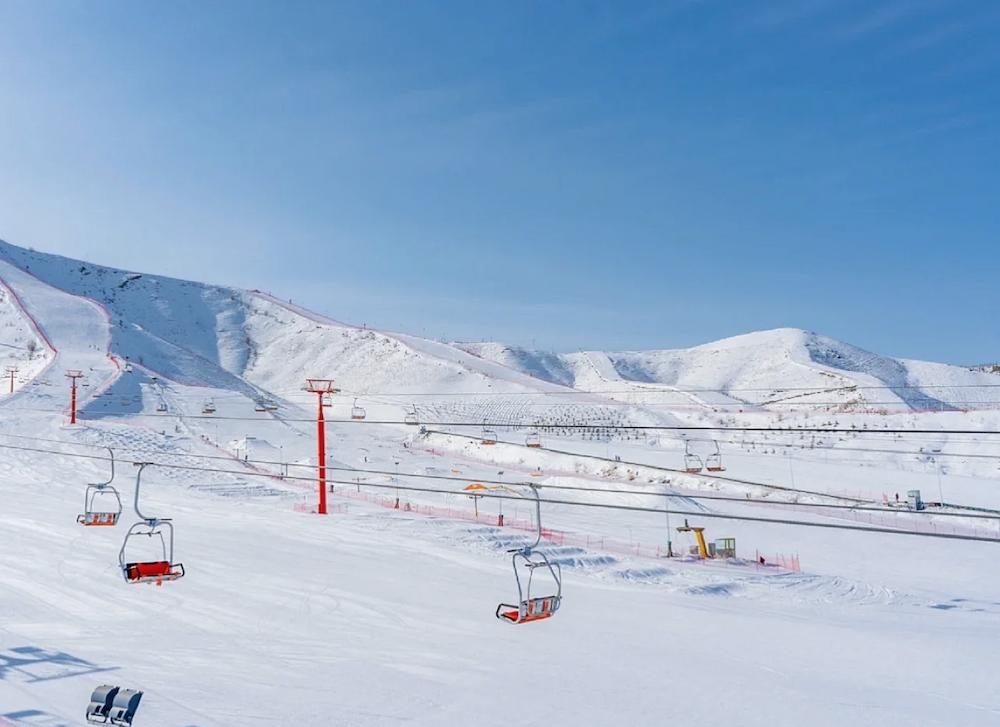
What You Actually Gain
The obvious benefit is time, but the more valuable one is flexibility. When your room is ninety seconds from the snow, the shape of your ski day changes:
- You can ski in short blocks. Two hours out, warm up, two more hours. In minus twenty-five conditions this is not laziness — it is how experienced cold-weather skiers stay out all week without frostnip.
- You catch first tracks without logistics. No shuttle timetable, no scraping a windscreen at seven in the morning.
- Families function better. A child who is done at eleven o’clock can be back in the room while the rest of the group keeps skiing. This single factor rescues more family trips than any other.
- Gear stays dry. Slope-side properties almost always have proper boot dryers and ski storage, which matters far more in a dry, deep-cold climate than most visitors expect.
- You ski marginal weather. On a low-visibility day you can step out, take two runs, decide it is not worth it, and go back inside at no cost. Anyone commuting in has already burned an hour.
If you are on your first trip to the region and still calibrating how the days flow, our first-timer guide to Xinjiang ski resorts covers the daily rhythm that makes slope-side lodging pay off.
What You Give Up
Slope-side convenience in Xinjiang comes with real trade-offs, and they are different from the ones you would face in Europe.
Food. On-mountain hotel restaurants are functional but limited and expensive, and the choice narrows quickly if you are eating there for five consecutive nights. Xinjiang’s food is one of the genuine highlights of the region, and the best of it is in town — laghman, samsa, and grilled lamb in Altay city or Urumqi are worth a taxi ride.
Price. Expect a meaningful premium during peak periods, particularly Spring Festival and the New Year window. Outside those weeks the gap narrows considerably.
Isolation. If a storm shuts the lifts, a base-village hotel gives you almost nothing to do. A hotel in Altay city gives you a market, cafes, and a bathhouse.
Fewer indoor options mid-day. Some slope-side buildings assume you will go back to your room, so on-hill public warming space can be thinner than at resorts built around a day-visitor crowd. It is worth checking what warming huts and mid-mountain rest stops exist before you commit.
How to Verify a Ski-In Ski-Out Claim Before You Book
Listing photographs are almost always shot from the flattering angle. Five checks will tell you what you are actually buying:
- Find the property on a satellite map. Measure the distance from the building footprint to the nearest lift station. Under 150 metres is genuinely slope-side; 150 to 500 metres is ski-adjacent; beyond that, you are commuting.
- Ask for a photograph taken from the hotel door in winter. Summer photographs hide the fact that the connecting path is a staircase.
- Ask specifically whether there is a ski room at ground level. A hotel with no boot storage is telling you that guests do not walk out in ski boots, which tells you it is not slope-side.
- Ask about the return. Many Xinjiang properties are ski-in but not ski-out, because the natural fall line takes you past the building. Being able to ski home is the half people forget to check.
- Check whether the shuttle is included and how often it runs. If the answer is detailed and confident, the hotel knows most guests need it.
Making the Most of a Slope-Side Base
- Book a room on a lower floor if the building has no lift — carrying boots up four flights gets old fast.
- Confirm that the ski room is heated and locked, not simply a covered rack outside.
- Plan at least two dinners in town so the trip does not become a five-day hotel buffet.
- Reserve early for late December through February; slope-side inventory in Xinjiang is genuinely small and the good rooms go months ahead. Timing your trip is easier with our guide to the best time to ski in Xinjiang.
- If you are a snowboarder, ask whether the ski-out involves a flat traverse. It frequently does.
Frequently Asked Questions
Is ski-in ski-out worth the extra cost in Xinjiang?
For families with young children, for anyone skiing in deep cold, and for skiers who want first tracks, yes — the ability to go inside and come back out changes the whole trip. For a fit adult on a short trip who plans to ski from opening to closing anyway, a well-connected hotel five minutes away usually offers better food and better value.
How many Xinjiang resorts have genuine ski-in ski-out hotels?
Only a small number. Altay’s Jiangjunshan area has the most credible cluster, with a handful of qualifying properties at Koktokay and Silk Road. Most listings described as ski-in ski-out are more accurately ski-adjacent, which is still convenient but not the same thing.
Do slope-side hotels in Xinjiang have English-speaking staff?
The larger resort hotels usually have at least one staff member who can handle a booking in English, but do not count on it at reception around the clock. Having your booking details, room type, and any special requests written in Chinese avoids most problems.
What is the biggest mistake people make when booking slope-side?
Assuming the ski-out works. Plenty of Xinjiang properties sit slightly uphill or off to the side of the main runout, which means a downhill glide in the morning and a walk back in ski boots at four o’clock. Ask for the return route specifically, not just the distance to the lift.