

Xinjiang rewards prepared travellers and punishes rushed ones. The skiing is superb, the snow is deep, and the mountains are stunning, but the region is remote, cold, and different enough from Europe, Japan, or North America that small oversights can cost you a day or more. Knowing the most common Xinjiang ski trip mistakes in advance is the easiest way to protect your time, money, and enjoyment. Below are ten that catch first-timers again and again, along with a simple fix for each.
If this is your first visit to the region, read this alongside our full Xinjiang skiing guide so the fixes make sense in context.
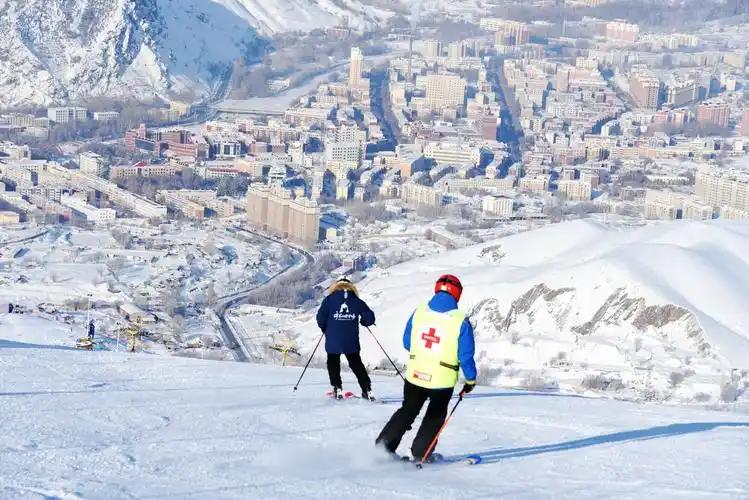
Most of these errors come down to treating Xinjiang like a familiar resort close to home. It is not. The cold is harsher, the logistics are longer, and the systems for payments, connectivity, and rentals work differently than many visitors expect. None of it is hard once you plan for it — but each mistake below has quietly ruined days for people who assumed they could improvise. Read them, fix them in advance, and you will spend your trip skiing instead of scrambling.
1. Underestimating the Cold
Altay winters are genuinely severe, and travellers used to milder resorts routinely bring too little insulation. Skiing wet or under-dressed turns a dream day into an ordeal, and in deep cold it can become a safety issue rather than just discomfort. The fix is a proper layering system: a warm base, an insulating mid-layer, and a windproof shell, plus quality gloves, a face covering, and warm socks. Hand and toe warmers weigh almost nothing and are worth their space on the coldest mornings. Our Xinjiang ski clothing and layering guide walks through exactly what to bring.
2. Getting the Timing Wrong
Arriving too early or too late in the season leads to thin coverage or closed terrain. Peak conditions and resort schedules shift through the winter, so match your dates to what you want, whether that is deep midwinter powder or sunny spring corn. Check our advice on the best time to ski Xinjiang before you lock in flights.
3. Packing at the Last Minute
Because gear choices are so weather-dependent here, throwing a bag together the night before is a recipe for forgotten essentials — spare gloves, goggles, sunscreen, and medication in particular. Build your list days ahead and lay everything out. Careful packing also prevents overweight-baggage surprises at the airport.
4. Skipping Fitness Preparation
Cold, altitude, and long lift-served days demand more of your body than a typical holiday. Skiers who arrive unfit fade by mid-afternoon and are more injury-prone. A few weeks of simple leg and core conditioning makes a huge difference. See our Xinjiang ski fitness training tips to prepare properly.
5. Assuming You Can Rent Everything On Arrival
Rental quality and availability vary, and popular sizes or higher-end gear can run short at busy times. Do not assume you will walk up and get exactly what you want. Reserve rentals ahead where possible and read our Xinjiang ski rental guide so you know what to expect from local shops.
6. Ignoring Payment and Connectivity Basics
Foreign cards often do not work the way visitors expect in China, and many purchases run through mobile payment apps. Travellers who arrive without a working payment method or offline maps waste hours sorting logistics instead of skiing. Set up mobile payments and download offline maps before you leave home.
7. Overpacking the Itinerary
Xinjiang is vast, and distances between the airport, cities, and resorts are long — sometimes several hours by road. Trying to cram in too many places means most of the trip is spent in transit rather than on snow. First-timers routinely plan as if the region were compact, then lose whole days to travel. Pick one or two bases and settle in. Quality slope time beats a frantic checklist every time, and staying put lets you learn a mountain properly instead of skiing it once and leaving.
8. Neglecting Sun Protection
High-altitude sun reflecting off snow burns skin and eyes fast, and cloudless bluebird days are common in the Altay. Skiers who skip sunscreen and good eye protection regret it by day two, often with painful goggle-tan burns and tired, watering eyes. Pack high-SPF sunscreen, lip balm, and proper goggles or sunglasses, and reapply sunscreen through the day even when it feels cold. A spare lens or a second pair of goggles is smart insurance against flat light and fogging.
9. Not Planning for Weather Swings
Storms, wind holds, and cold snaps can shut lifts or terrain with little warning. Rigid plans fall apart when the mountain closes for a day. Build in a flexible rest or culture day, and monitor conditions using tools that actually work in the region.
10. Traveling Without a Backup Plan
Remote skiing means help can be far away. First-timers who ignore insurance, emergency contacts, and basic safety habits expose themselves to real risk. Carry travel insurance that covers mountain sports, note the nearest clinics, and ski within your ability, especially early in the trip while you adjust to the cold and altitude. Keep a charged phone, offline maps, and the details of your accommodation written down, and tell someone your plan for the day before you head out on unfamiliar terrain.
None of these ten mistakes is difficult to avoid — they simply require thinking a step ahead before you arrive somewhere remote. The travellers who have the best trips are rarely the most experienced skiers; they are the ones who packed properly, timed their visit well, and built in a little flexibility for weather and logistics. Get the basics right and Xinjiang gives back some of the most rewarding skiing in Asia.
Get these ten right and the region delivers. If you are timing a late-season visit, our guide to spring skiing in Xinjiang shows how to make the most of March and April.
Frequently Asked Questions
What is the biggest mistake first-timers make in Xinjiang?
Underestimating the cold and the distances. The Altay winter is severe and the region is large, so travellers who under-pack for warmth or over-pack their itinerary lose the most enjoyment. Dress in proper layers and keep your route simple.
Do I really need to prepare fitness for a ski trip here?
It helps a lot. Cold, altitude, and full lift-served days are tiring, and unfit skiers tend to fade early and get hurt more easily. A few weeks of basic leg and core work noticeably improves your stamina and safety.
Can I just pay with my foreign credit card?
Often not reliably. Many everyday transactions in China go through mobile payment apps, and foreign cards can be hit or miss. Set up mobile payments and carry a backup before you arrive to avoid wasting time on logistics.
How far ahead should I book rentals and lessons?
As early as you comfortably can, especially in peak weeks. Reserving gear and instruction in advance protects you from shortages of popular sizes or fully booked schedules, and it usually means a smoother arrival day.
What should I do if the weather turns bad?
Stay flexible. Build a spare day into your plan, monitor conditions, and have a non-ski option ready, such as a cultural outing or rest day. Never push into closed or high-risk terrain just to salvage a booking.