

Sichuan is famous for pandas, spicy food, and misty sacred mountains, but the province has quietly become one of southern China’s busiest winter sports markets. Within a few hours of Chengdu, a city of more than twenty million people, a cluster of ski areas serves weekend crowds from November or December through early spring. None of them rival the big northern destinations for snow quality, yet as a convenient add-on to a Chengdu itinerary they are genuinely fun. This guide covers the main resorts, realistic season dates, day-trip logistics, and how Sichuan compares with the powder regions profiled in our China skiing guide.
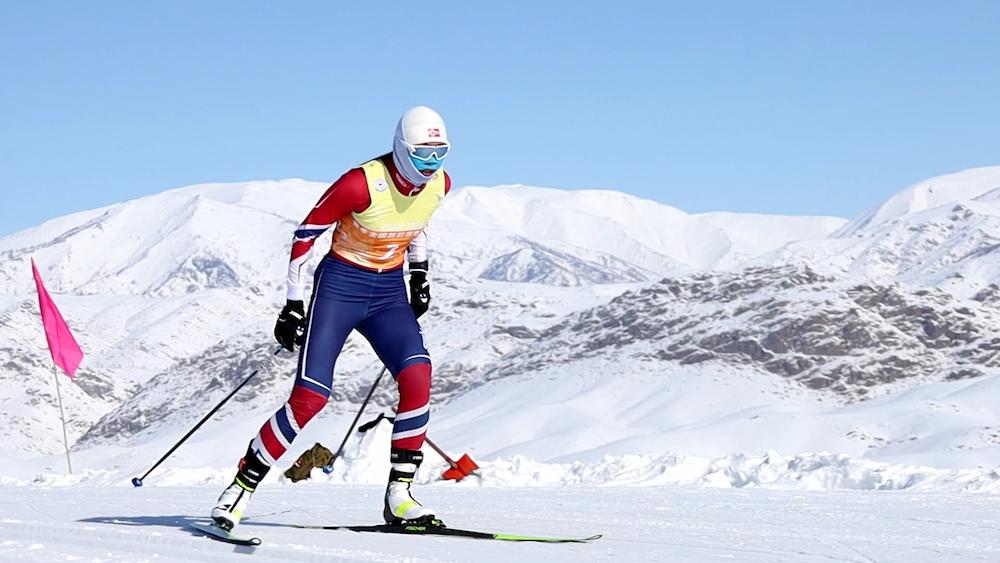
The Main Ski Areas Near Chengdu
Xiling Snow Mountain
Xiling Snow Mountain, about 95 to 110 kilometers west of downtown Chengdu, is the flagship of Sichuan skiing and one of the largest ski operations in southern China. The ski field sits at roughly 2,200 to 2,400 meters on the mountain’s flanks, reached by a long access gondola from the base village. Expect around ten runs spanning beginner to lower-intermediate difficulty, a dedicated learning zone, snow tubing, and a lively snow-play area for families. On peak weekends and public holidays the slopes get crowded, so arriving for first lifts matters more here than almost anywhere else in China.
Taiziling (Wawu Mountain Area)
South of Chengdu near Hongya, the Wawushan area hosts smaller ski fields at similar elevations, marketed heavily to families. Runs are short and gentle, rental fleets are geared to first-timers, and the surrounding fir forests draped in rime ice are arguably prettier than the skiing itself.
Emei and Other Small Hills
Mount Emei, the famous Buddhist peak, operates a compact ski and snow-play field partway up the mountain. It is best treated as a fun detour during a winter Emei visit rather than a ski destination in its own right. Several county-level hills scattered through western Sichuan open in cold snaps, but snow reliability drops off quickly outside the established areas.
Backcountry: Siguniang and Beyond
For advanced skiers, western Sichuan’s real prize is backcountry terrain. The Siguniang (Four Sisters) massif and passes along the G318 highway offer ski touring on serious alpine terrain above 4,000 meters. Local guiding outfits run winter trips, but this is expedition-flavored skiing requiring avalanche gear, acclimatization, and experienced partners; it has more in common with plateau adventures like skiing in Xizang Tibet than with a resort day at Xiling.
Season, Snow, and What to Expect
Sichuan’s lift-served season typically runs from late November or early December to late February or mid-March, depending on elevation and cold snaps. Snowmaking underpins the base almost everywhere; natural storms top it up but cannot be relied upon week to week. The snowpack is warmer and moister than the cold, dry powder of the far north and west, so think spring-style conditions much of the time: soft afternoons, firm mornings, and occasional icy patches after refreezes.
- Best window: Early January to mid-February usually combines the deepest base with the coldest, driest snow of the Sichuan winter.
- Crowds: Weekends and the Spring Festival holiday are extremely busy; weekday visits transform the experience.
- Weather: The Sichuan basin is cloudy, but ski elevations often sit above the fog layer, delivering surprise bluebird days with sea-of-clouds views.
Day-Trip Logistics from Chengdu
Xiling Snow Mountain works as a long day trip: drivers and tour buses leave Chengdu around 6:30 to 7:00 a.m., reaching the gondola base in two to three hours depending on traffic. Many visitors prefer an overnight in the base village to catch uncrowded morning slopes. For Wawushan and Emei, high-speed rail to Meishan or Emeishan followed by a transfer bus is straightforward. Booking lift tickets and rental packages in advance through major travel apps saves both money and queue time during peak periods.
- Depart Chengdu early; slope crowds build sharply after 10:30 a.m.
- Rent gear on the mountain unless you have specific boot-fit needs; fleets are modern at the bigger areas.
- Carry cash-free payment set up in advance, as ticket windows and rental counters are almost entirely digital.
- Check chain requirements for winter driving; access roads climb through freeze-prone switchbacks.
Costs, Gear, and On-Mountain Tips
Sichuan skiing is affordable by international standards. A weekday package at Xiling combining the access gondola, a slope pass, and full equipment rental generally lands in the low-to-mid hundreds of yuan, with weekend and holiday pricing noticeably higher. Clothing rental, helmets, and lockers are all available on-site, so travelers without their own kit can arrive with nothing more than gloves and warm layers. Quality varies across the rental fleet, so ask for freshly tuned skis if you are more than a beginner, and check boot fit carefully before leaving the counter.
A few local quirks are worth knowing. Slope etiquette is looser than in Europe or North America, with many first-timers stopping mid-run, so ski defensively and give learners a wide berth. Signage on the main runs includes English, but lesson instruction is overwhelmingly in Chinese; if you want an English-speaking coach, arrange one in advance through your hotel or a travel app rather than hoping for luck at the ski school desk. Finally, altitude at Sichuan ski fields is modest by plateau standards but still above 2,000 meters, so pace yourself on the first morning.
How Sichuan Compares with China’s Big Ski Regions
Sichuan skiing is convenience skiing. You come for pandas, hotpot, and temples, and you add a snow day without reorganizing your trip. Terrain difficulty tops out around intermediate, verticals are modest, and season length is roughly half of what the north offers. Serious skiers planning a dedicated trip should weigh the best ski resorts in China, most of which cluster in the northeast and far west. The Xinjiang skiing guide shows what a maximum-value week looks like: kilometer-scale verticals at Silk Road and Jiangjun Mountain, dry Altai powder, and seasons stretching past four months.
That said, Sichuan pairs beautifully with other southwestern snow stops. Combining Xiling with the glacier scenery around Lijiang and Shangri-La, covered in our Yunnan skiing guide, creates a memorable winter arc through China’s southwest. To see how all these regions fit together geographically, browse the China ski resorts map for 2026 before locking in your route.
Choose Sichuan If…
- You are already visiting Chengdu in winter and want a fun snow day within a short transfer.
- You are traveling with kids or first-timers who care more about tubing and snowmen than vertical drop.
- You want to sample Chinese ski culture without committing to a flight to the far north or west.
Look Elsewhere If…
- You need advanced groomers, off-piste access, or reliable natural snow.
- You are planning a multi-day ski-focused holiday; northern and western regions reward the extra travel many times over.
Frequently Asked Questions
Is skiing near Chengdu worth it for foreign visitors?
Yes, as a one-day add-on. Xiling Snow Mountain offers a genuine lift-served experience with rentals and English-friendly signage at the main counters. Treat it as winter fun rather than a serious ski destination.
How long is the ski season in Sichuan?
Roughly late November or early December through late February, sometimes stretching to mid-March at higher fields. Snowmaking keeps the base consistent even when natural snowfall is light.
Can beginners learn to ski at Xiling Snow Mountain?
Absolutely. Dedicated learning zones, magic carpets, and instructor packages make it one of southern China’s better places for a first lesson, though weekend crowds can slow things down.
Is there advanced terrain in Sichuan?
Lift-served advanced terrain is minimal. Experts head for guided backcountry touring around Siguniang and the G318 passes, which requires avalanche equipment, acclimatization, and local guides.
How does Sichuan snow compare with Xinjiang powder?
They are different sports. Sichuan offers warmer, machine-supported snow on short runs; Xinjiang delivers cold, dry natural powder on big verticals with seasons nearly twice as long.