

Xizang, China’s vast high-altitude autonomous region on the Qinghai-Xizang Plateau, is not the first place most travelers picture when they think about skiing in China. Yet the region holds some of the highest skiable terrain on Earth, with glaciated peaks of the Nyenchen Tanglha and Himalayan ranges rising far above 6,000 meters. Skiing here is real, but it is a very different proposition from riding lifts at a groomed resort. This guide explains what actually exists on the ground, what foreign skiers need to arrange before arrival, how altitude changes everything, and when a trip to Xizang makes sense compared with the far more developed slopes covered in our China skiing guide.
Can You Actually Ski in Xizang?
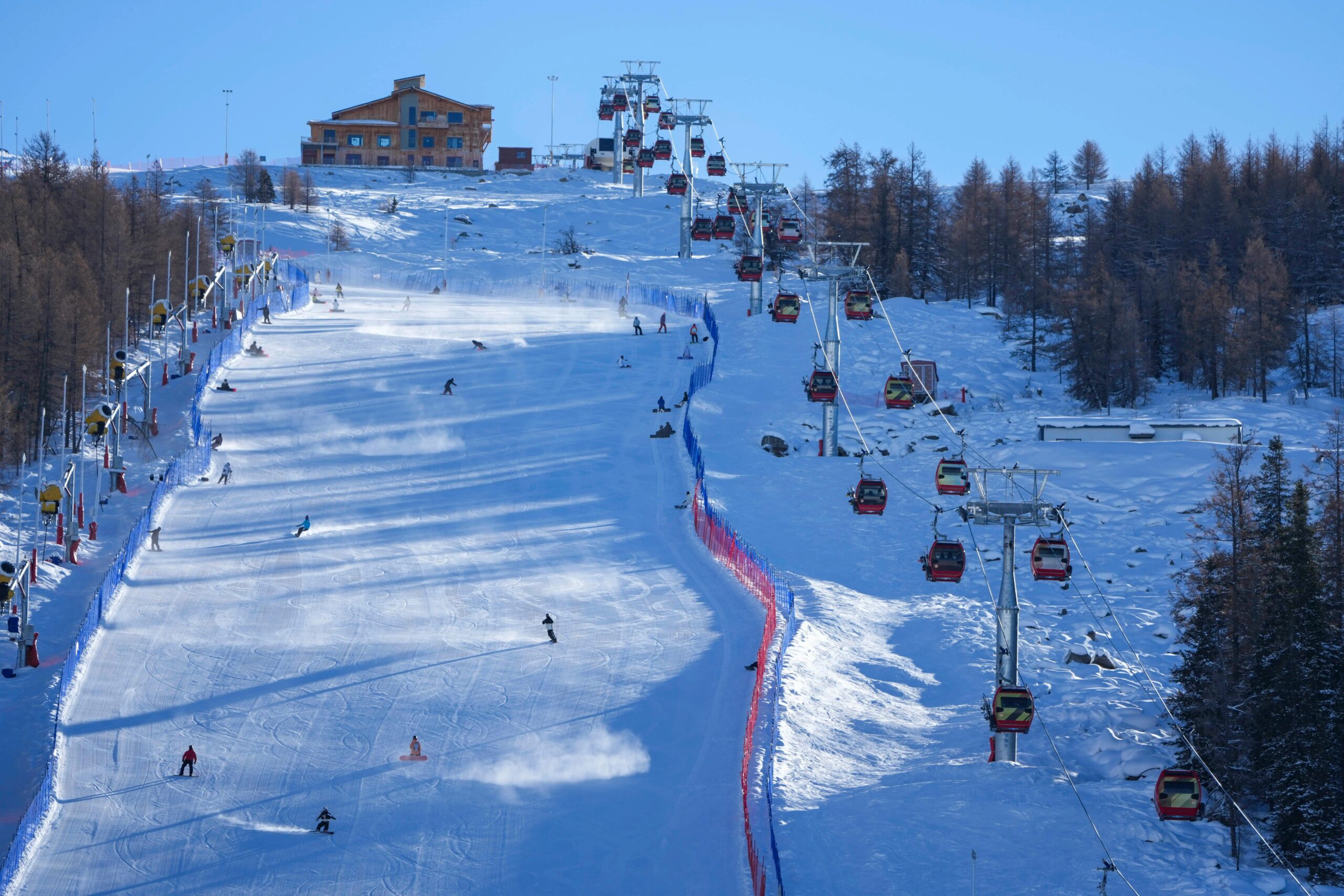
The short answer is yes, but with major caveats. Xizang has only a handful of small, lift-served ski facilities, and they operate on modest slopes near Lhasa rather than on the giant peaks you see in photographs. The most notable is a small winter sports area in the Lhasa vicinity that opened to promote ice-and-snow tourism, featuring beginner-friendly runs, snow tubing lanes, and rental gear aimed primarily at domestic visitors trying skiing for the first time. Vertical drop is limited, run lengths are short, and grooming standards are basic compared with the major destinations in northern China.
What Xizang offers in abundance is high-altitude ski mountaineering. Expedition-style ski descents have been made on peaks in the Nyenchen Tanglha range and on 6,000-meter-plus summits accessible from the Lhasa-Nagqu corridor. These are serious undertakings that require mountaineering permits, local guides and agencies, glacier travel skills, and weeks of acclimatization. They belong to the world of expedition skiing, not resort holidays.
Why So Few Resorts at Such High Altitude?
- Thin air: Lhasa sits at about 3,650 meters. Casual visitors often struggle to walk uphill, let alone ski laps, before acclimatizing.
- Dry winters: The plateau’s winter is cold but remarkably dry. Natural snowfall on valley floors is sparse, so any ski area depends heavily on snowmaking, and water is a sensitive resource.
- Logistics: Building and supplying lifts at extreme elevation is costly, and the domestic ski boom has concentrated investment in more accessible regions instead.
Permits and Paperwork for Foreign Skiers
Foreign travelers cannot simply buy a flight to Lhasa and go. In addition to a Chinese visa, foreigners need a Tibet Travel Permit arranged in advance through a registered travel agency, and travel within the region is organized around a booked itinerary with a licensed guide. If your plans include mountaineering or ski touring on listed peaks, additional mountaineering permits from the regional mountaineering association are required, and these must be applied for well ahead of the season through your agency or expedition operator.
- Secure your Chinese visa first, as the permit application builds on it.
- Book with an agency that has experience handling winter itineraries, since many operators focus on the summer season.
- Allow several weeks of lead time for permits, and build flexibility into your dates in case processing runs long.
- Confirm in writing that skiing or ski touring is included in your approved itinerary, not just sightseeing.
Altitude: The Defining Factor
Nothing shapes a Xizang ski trip more than elevation. Even the gentle slopes near Lhasa sit higher than the summit of almost every ski resort in Europe or North America. At these heights, oxygen levels are roughly two thirds of sea-level values, and unacclimatized visitors commonly experience headaches, poor sleep, and shortness of breath during the first days.
Practical Acclimatization Tips
- Spend at least two to three full days in Lhasa doing light activity before attempting any skiing.
- Hydrate constantly; the plateau air is extremely dry in winter and fluid loss is deceptive.
- Keep first ski sessions short, and treat persistent headaches or nausea as a signal to rest and descend.
- Discuss altitude medication with a doctor before travel, especially if you plan to tour above 5,000 meters.
- Winter sun at altitude is fierce: high-SPF sunscreen and quality goggles are essential every single day.
What a Realistic Xizang Ski Itinerary Looks Like
For most visitors, skiing is one highlight within a broader winter journey rather than the entire purpose of the trip. A sensible plan pairs two or three acclimatization days in Lhasa with a half-day or full-day visit to the local snow park, followed by winter sightseeing around Yamdrok Lake or Namtso, whose frozen blue ice has become a photography phenomenon. Ski mountaineers extend this into multi-week expeditions with base camps, but that path demands a specialist operator, glacier equipment, and a substantial budget.
Winter is actually a rewarding season to visit the plateau: skies are consistently clear, tourist crowds are thin, and hotel prices drop significantly. Daytime sun feels surprisingly warm, though temperatures plunge after dark, so pack a serious down layer alongside your ski kit.
How Xizang Compares with Other Chinese Ski Regions
If your goal is maximum days on quality snow with reliable lifts, Xizang should not be your primary destination. The Xinjiang ski resorts in the Altay and Tianshan ranges deliver deep, dry powder, modern gondolas, and vertical drops approaching a full kilometer, all at elevations low enough that acclimatization is a non-issue. Understanding why Xinjiang offers China’s best skiing helps frame the trade-off: Xinjiang is about world-class skiing with straightforward access, while Xizang is about extraordinary landscapes where skiing is a novelty or an expedition objective.
Other southwestern options split the difference. Skiers exploring China’s mountain fringe can look at skiing in Sichuan near Chengdu, or the glacier-adjacent slopes described in our guide to Yunnan skiing, both reachable without special regional permits. For a nationwide overview of where every major ski area sits, the China ski resorts map for 2026 puts the plateau in context alongside the northern powder belts.
Quick Comparison
- Xizang: Highest terrain, unique culture, permit-based travel, minimal lift infrastructure, altitude management essential.
- Xinjiang: Best snow quality and biggest lift-served verticals in China, no special regional permit, long season from November to March or later.
- Sichuan and Yunnan: Convenient add-on skiing near major tourist cities, shorter seasons, mostly beginner and intermediate terrain.
Who Should Choose a Xizang Ski Experience?
Choose Xizang if you are drawn to the plateau itself: the monasteries, the winter light, the sense of standing on the roof of the world, with a fun snow session as a bonus. Choose it also if you are an experienced ski mountaineer chasing 6,000-meter descents with professional support. Skip it, at least as a ski-focused trip, if your priority is powder mileage, lift-served vertical, or learning to ski in a full-service environment; those goals are far better served elsewhere in China.
Frequently Asked Questions
Are there real ski resorts in Xizang (Tibet)?
There are a small number of lift-served snow parks near Lhasa with beginner slopes, tubing, and rentals. They are pleasant for a half-day visit but are not comparable to full-scale resorts in Xinjiang or northeastern China.
Do foreigners need special permits to ski in Xizang?
Yes. All foreign visitors need a Tibet Travel Permit arranged through a registered agency in addition to a Chinese visa, and guided itineraries are required. Ski mountaineering on major peaks requires further mountaineering permits.
How bad is the altitude for skiing?
Significant. Ski areas near Lhasa sit well above 3,600 meters, where unacclimatized visitors tire quickly. Plan two to three rest days on arrival, hydrate heavily, and keep early sessions short.
When is the best time for a winter trip to Xizang?
December through February offers clear skies, few tourists, and lower prices. Snow cover on lift-served slopes relies partly on snowmaking, so conditions are consistent within the small ski areas.
Is Xizang or Xinjiang better for a China ski trip?
For skiing itself, Xinjiang wins decisively with deeper snow, bigger mountains, and easier access. Xizang suits travelers who want a cultural plateau journey with some snow play, or expedition skiers with specialist support.