

Two weeks is the dream length for a Xinjiang ski trip. It gives you time to chase storms, rest sore legs, explore more than one resort, and dip into the culture that surrounds the snow. Where a short break forces hard choices, a fortnight lets you ski when the powder is best and relax when it is not. This leisurely plan is designed for travellers who have flown a long way and want to make the journey genuinely worth it rather than cramming everything into a rushed week. For orientation before you start, pair this plan with our Xinjiang Skiing Guide, which covers the region, the resorts, and the practicalities of a winter visit.
The route loops through northern Xinjiang’s Altay powder belt, adds a mid-trip rest, and finishes with a cultural tail near Urumqi. Because you have time on your side, you can afford flexible days that let the weather decide where you ski rather than forcing yourself onto a fixed grid. That single freedom — skiing the best snow on the best days — is what separates a two-week trip from a shorter one, and it is the reason experienced powder hunters keep coming back to this corner of China.
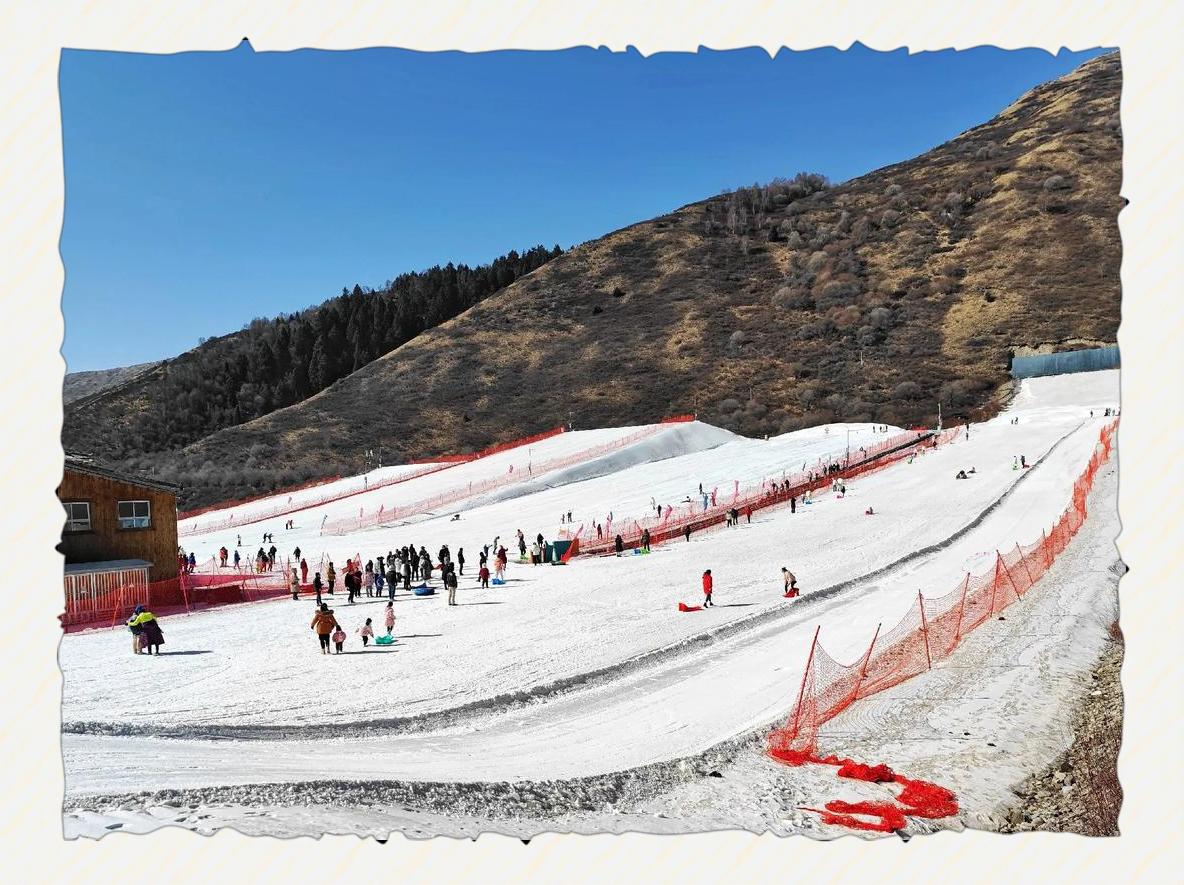
Why Two Weeks Works So Well
Xinjiang rewards patience. Storms roll through the Altay range in cycles, and the very best days almost always follow a fresh dump of light, cold snow. With fourteen days in hand you can wait out a warm spell without panic, then pounce when the sky clears and the snow is bottomless. You also have room to try several resorts rather than lapping the same runs until they feel like home. A fortnight turns skiing from a checklist into an unhurried rhythm of ski, rest, and explore.
- Flexibility: chase powder instead of following a rigid, weather-blind schedule.
- Variety: ski Altay’s flagship hills in the north plus modern resorts near Urumqi.
- Recovery: built-in rest days protect your legs and keep you strong for the whole trip.
- Culture: time for markets, bathhouses, and long meals between ski days.
Week One — The Altay Powder Belt
Days 1–2: Arrival and First Turns
Fly into Urumqi, connect to Altay, and settle in without pressure. Use day two for easy groomers to shake off the long journey and test your rental setup before the serious skiing begins. Sorting your gear early matters even more on a long trip, because a boot that does not fit will ruin fourteen days rather than four. Take the time to adjust bindings, swap gloves if they run cold, and note where the nearest shop is in case you need repairs later in the week.
Days 3–5: Altai Jiangjunshan
Spend three full days at Altai Jiangjunshan ski resort, exploring every corner of the mountain. Ski the reds in the morning while the grooming is crisp, hunt soft snow in the trees after lunch, and finish each day with a relaxed cruise back to base. Three days is enough to truly learn the hill — where the wind loads the snow, which aspects hold powder longest, and where the sun softens the surface by afternoon. By day five you will ski it with the confidence of a local.
Days 6–7: Backcountry and Rest
Hire a guide for a full backcountry day when the forecast lines up — this is the wild, untracked terrain that put the region on the map and the reason many skiers fly halfway around the world to get here. Go with a reputable local operator, carry the right avalanche gear, and let the guide read the snowpack for you. Follow that big day with a genuine rest day: visit a bathhouse, wander a market, and let your legs recover so the second week feels as strong as the first.
Week Two — Variety and Culture
Days 8–9: A Second Altay Resort
Switch hills to keep the skiing fresh. Nearby resorts offer different aspects, quieter slopes, and a change of scenery that stops the trip from feeling repetitive. Take it easy on the transfer morning, then ski a half day once you arrive and settle into your new base. Smaller local hills often surprise visitors with empty runs and friendly staff, and they give you a fuller picture of skiing culture in the Altay region beyond the flagship resort.
Days 10–11: Travel South to Urumqi
Make your way back toward Urumqi, where a cluster of resorts sits within easy reach of the city. Sample the Silk Road ski resort for wide, well-groomed runs and modern lifts — a polished contrast to the wilder north. Evenings in the city mean vast night markets, endless food, and warm, comfortable hotels. After a week in small towns, the buzz of Urumqi is a welcome change of pace and a chance to restock anything you have run low on.
Days 12–13: Tianchi and Culture
Ski the Tianchi ski resort and take an afternoon to see the frozen alpine lake nearby, ringed by snow-draped peaks. Balance the snow with culture: try a traditional bathhouse, linger in a tea house, and sit down to a long dinner of hand-pulled noodles and lamb. These slower moments are what you will remember as vividly as the powder days, and having the time to enjoy them is the whole point of a two-week trip.
Day 14: Final Morning and Flight
Book an evening flight and ski a relaxed final morning near Urumqi. Ride the groomers while they are fresh, hand back your gear, and for once pack slowly and calmly. Head home with two weeks of memories and legs that have earned their rest. If a full fortnight sounds like more than your schedule allows, our tighter 5-day Xinjiang ski itinerary covers the essentials in a long weekend.
Budgeting for Two Weeks
A longer trip needs a clear budget from the outset. Accommodation and lift passes are the biggest line items, but internal flights, guiding fees, transfers, and food all add up over fourteen days. Booking multi-day passes rather than single-day tickets, staying near the lifts to cut transfer costs, and eating where the locals eat all keep spending sensible. Our detailed Xinjiang ski trip cost guide breaks down realistic daily spending across accommodation, food, and skiing so there are no nasty surprises halfway through.
Staying Comfortable Over a Fortnight
The cold is relentless in northern Xinjiang, and small comforts matter enormously over two weeks. Rotate your base layers so you always start the day dry, dry your boots every night by the heater, and carry a spare pair of gloves in case one set gets soaked. Pace your skiing and honour the built-in rest days — they exist for a reason, and skipping them is the fastest way to burn out by the second week. Stay hydrated, protect your skin against the dry wind, and manage the cold well, and you will ski strong right through to day fourteen with a smile still on your face.
Frequently Asked Questions
Is 14 days too long for a Xinjiang ski trip?
Not at all. Two weeks lets you chase powder, rest, and ski several resorts without rushing. For travellers coming a long way, a fortnight makes the flights worthwhile and turns a holiday into a proper adventure.
Can I ski different resorts in two weeks?
Yes, and you should. This plan combines the Altay powder belt in the north with resorts near Urumqi in the south, giving you a wide range of terrain, snow, and scenery across the fortnight.
How much should I budget for 14 days?
Costs vary with comfort level, but plan for accommodation, multi-day lift passes, internal flights, guiding, and food. Booking longer passes and staying near lifts keeps it affordable — see our cost guide for detailed numbers.
Do I need rest days on a two-week ski trip?
Absolutely. Building in one or two rest days protects your legs, lets you enjoy the culture, and keeps you skiing strong for the whole trip rather than fading after a week.