

After a long day of carving through cold, dry powder, few rewards feel as earned as a hot, hearty meal. And here is the happy secret of a ski trip to this region: Xinjiang has some of the most satisfying food in all of China, built around lamb, hand-pulled noodles, fire-roasted breads, and warming spices that seem almost designed for hungry skiers. This après-ski food guide walks you through the dishes to seek out, where to find them near the resorts, and how to eat well whether you keep halal, avoid spice, or simply want the fastest route from the slopes to a full stomach.
If you are still shaping your overall trip, our main Xinjiang skiing guide covers logistics, while this article focuses on the part everyone remembers most: dinner.
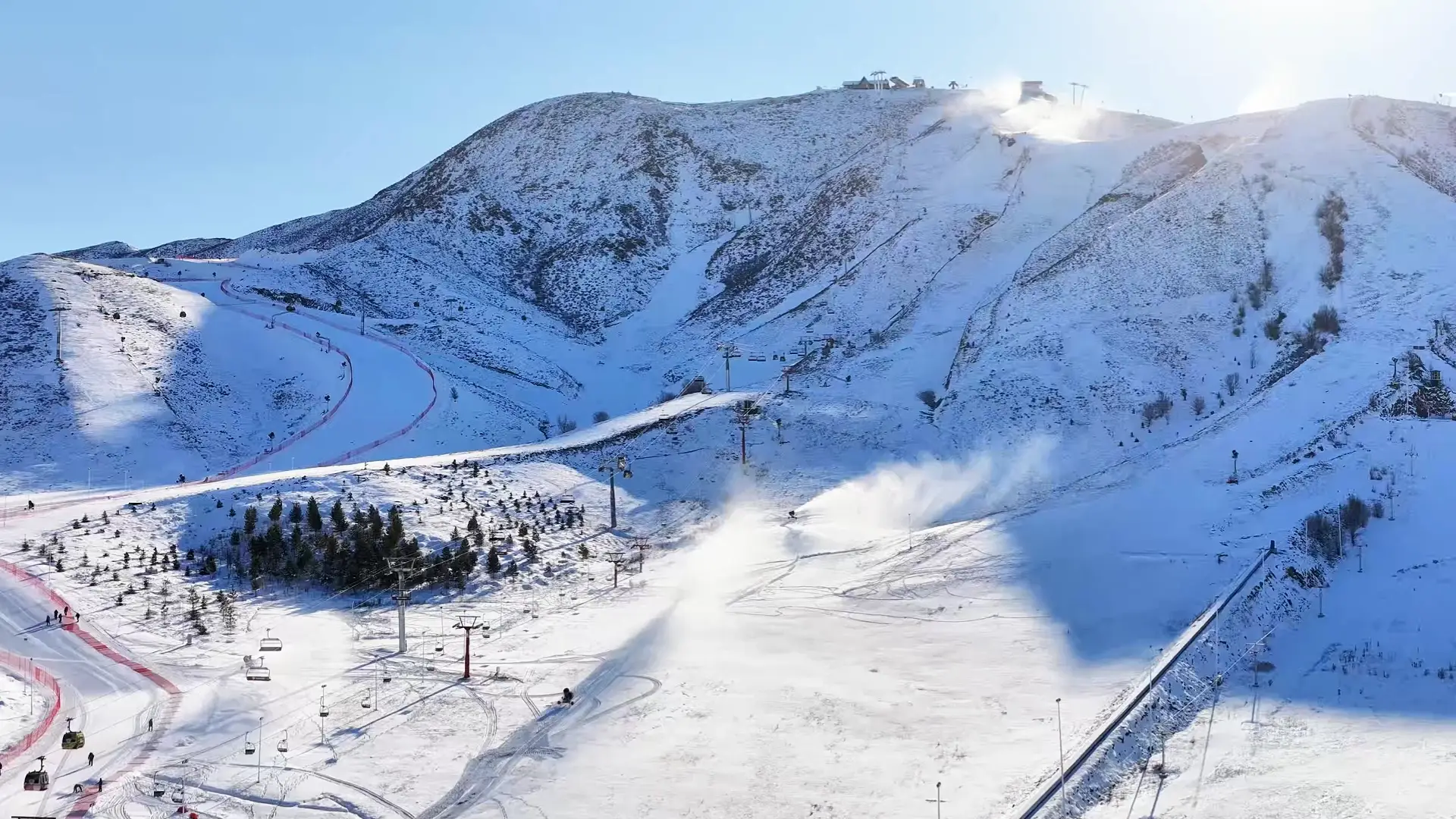
Why Xinjiang Food Is Perfect for Skiers
Ski appetites are enormous, and Xinjiang cuisine answers with rich, protein-heavy, calorie-dense dishes that replace exactly what a cold day on the mountain burns away. Lamb is the star, prized for its flavor and warmth, and it appears grilled, boiled, stewed, and folded into noodles and dumplings. Wheat is the staple grain here, so you will find pillowy breads and springy noodles rather than the rice-heavy meals common further east.
The region’s location along the old Silk Road means its food blends Central Asian, Middle Eastern, and Chinese influences into something genuinely distinct. Cumin, chili, and roasted spices dominate, and the result is comfort food that tastes both exotic and deeply nourishing after hours in the snow.
The Essential Après-Ski Dishes
Lamb Skewers (Yangrou Chuan)
The undisputed king of Xinjiang street food, lamb skewers are cubes of lamb and fat threaded onto sticks, grilled over charcoal, and dusted with cumin and chili. They arrive sizzling, cheap, and impossible to stop eating. A pile of skewers and a hot drink is the classic quick après-ski meal, and vendors set up near many resort towns in winter.
Big Plate Chicken (Da Pan Ji)
This enormous communal dish of chicken, potatoes, and peppers stewed in a spiced sauce is made for a tired group. When the meat is gone, wide belt noodles are tossed into the remaining sauce to soak up every drop. Order it for a table of skiers and let everyone dig in; it is the definition of shared comfort.
Hand-Pulled Laghman Noodles
Laghman features thick, chewy noodles pulled by hand and topped with a stir-fry of lamb, peppers, tomatoes, and onions. It is warming, filling, and endlessly customizable, and it may be the single most restorative dish after a cold descent.
Naan Bread and Samsa
Xinjiang naan is a crisp, chewy flatbread baked against the walls of a clay oven, perfect for tearing and sharing. Samsa are baked pastry parcels stuffed with spiced lamb and onion, a portable snack you can grab on the way to the lifts or devour the moment you unclip your boots.
Polo (Pilaf) and Dumplings
Polo is a fragrant rice pilaf cooked with lamb, carrots, and raisins, a one-bowl meal that delivers serious energy. Boiled or steamed lamb dumplings round out the table for anyone who wants something a little lighter but still substantial.
Sweets and Dried Fruit
Xinjiang is famous across China for its dried fruit and nuts, and after a heavy savory meal a handful of sweet raisins, dried apricots, walnuts, and almonds is the traditional finish. Local markets pile these high, and they make an ideal trailside snack to stash in your jacket for the chairlift. You will also come across nang pit, a dense sesame-and-honey bar, and rich milk-based desserts that provide fast, cold-weather calories. Buying a bag of mixed dried fruit at the start of your trip means you always have a quick energy boost between runs, no restaurant required.
Where to Eat Near the Resorts
Your dining options depend heavily on which resort you choose, so it helps to plan food alongside your ski days. Larger developed resorts and their nearby towns offer the widest range of restaurants, while remote powder areas may limit you to lodge dining or a single village eatery.
- Resort base restaurants. Convenient and warm, ideal for a fast lunch or an immediate post-ski meal, though prices run higher and menus can be simpler.
- Nearby town eateries. The best value and the most authentic flavors, especially family-run noodle and skewer shops. Worth the short drive.
- Urumqi’s food streets. If your trip routes through the capital, its night markets and food streets are an après-ski feast in their own right.
Before you commit, compare your options in our roundup of Xinjiang ski resorts and consider staying near a town with a lively food scene. For more on the social side of the mountain evening, our piece on après-ski in Xinjiang goes beyond the plate.
Halal, Spice Levels, and Dietary Notes
Much of Xinjiang cuisine is naturally halal, reflecting the region’s large Muslim population, so travelers with halal requirements will find abundant options; look for the Arabic or Chinese halal signage displayed by most local restaurants. Pork is far less common here than in the rest of China.
Spice levels are generally moderate rather than punishing, but chili and cumin are used generously. If you are sensitive to heat, learn the phrase for “not spicy” or ask your guide to note it when ordering. Vegetarians will find the going harder, since lamb is central to most dishes, but naan, vegetable-topped noodles, and stir-fried vegetable plates are usually available.
Warming Drinks
- Milk tea and black tea. Served hot and often with the meal, tea is the standard accompaniment and a fast way to warm up.
- Fresh yogurt. Thick, tangy, and sometimes sweetened, it is both a treat and a digestive aid after a heavy meal.
- Hot water. Ubiquitous in China and freely offered; welcome when the temperature outside is far below freezing.
Planning Meals Around Your Ski Days
Timing your meals well keeps energy high on the mountain. A solid naan-and-egg breakfast fuels the morning, a quick skewer or samsa lunch keeps you light for afternoon laps, and a big communal dinner rewards the day. Because the best snow and lightest crowds often come early, aligning your ski schedule with the best time to ski Xinjiang also means you finish in time for a relaxed, unhurried evening feast.
Frequently Asked Questions
Is Xinjiang food mostly halal?
Yes. Because of the region’s large Muslim population, much of the cuisine is halal, and halal restaurants are easy to find near resorts and in towns. Pork is far less common here than elsewhere in China.
What is the single best dish to try after skiing?
Hand-pulled laghman noodles or a plate of charcoal lamb skewers are the classic restorative choices. For a group, big plate chicken with belt noodles is the ultimate shared après-ski meal.
Is the food very spicy?
Spice levels are moderate rather than extreme, with cumin more prominent than fiery chili. You can always ask for dishes to be prepared less spicy if you are sensitive to heat.
Are there options for vegetarians?
Vegetarian choices are more limited because lamb is central to the cuisine, but naan, vegetable noodle dishes, and stir-fried vegetable plates are generally available. Communicating your needs clearly, ideally through a guide, helps a lot.
Can I find good food right at the ski resorts?
Resort base restaurants offer convenient, warm meals, though the best value and most authentic flavors are usually in nearby towns. If your trip passes through Urumqi, its food streets are well worth an evening.