

China night skiing has grown from a novelty into a serious part of the country’s winter scene. If you picture Chinese ski resorts as daytime-only affairs, it is time to update that image. Across the north, from the floodlit pistes around Beijing to the long winter evenings of Xinjiang, many resorts now keep the lifts running after dark so you can carve under the lights. For foreign skiers who only have a few days, an evening session is a great way to stretch the daylight hours and still be back in town for dinner. Lighted slopes also tend to be quieter, cooler, and surprisingly atmospheric, especially when the snow is fresh and the floodlights cast long shadows. This guide covers where night skiing works best in China, what to expect, and how to plan an after-dark session that feels safe and fun rather than rushed.
Why Skiers Love the Evening Lifts
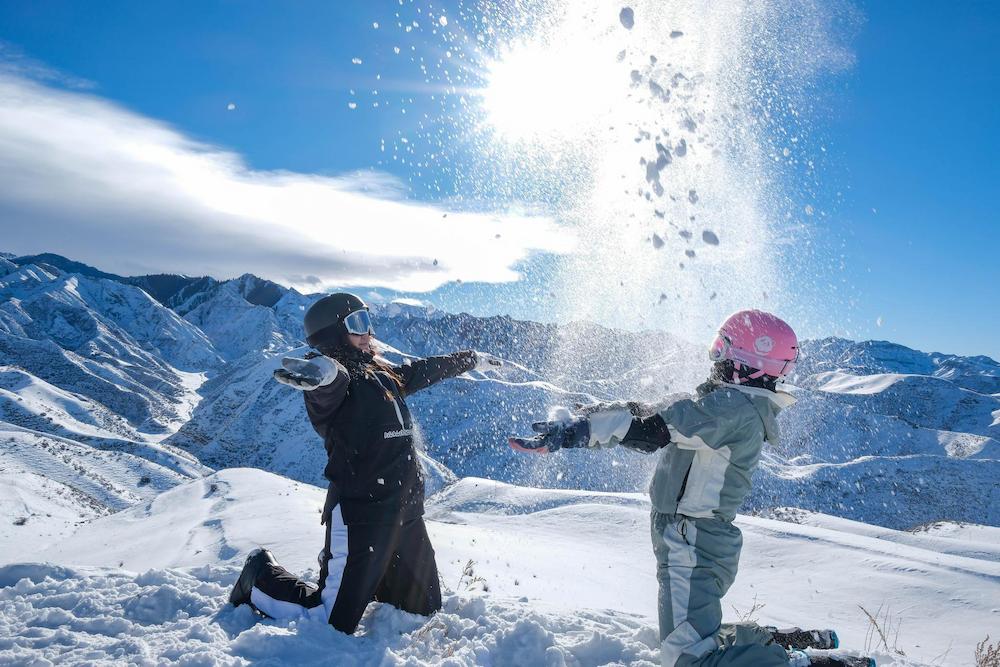
There is a particular calm to night skiing that daytime crowds rarely offer. The temperature drops, the light flattens, and the resort settles into a steady hum of edges on snow. For many visitors, the appeal is practical as much as aesthetic. Daytime is for exploring the full mountain; evening is for relaxing into a few favourite runs without the pressure of a long to-do list. Families like it because lessons and rentals often run late. Travelers on a tight schedule like it because they can sightsee or work during the day and still ski after dinner. And photographers like it because floodlit snow against a dark sky makes for striking images.
Where Night Skiing Works Best in China
Not every resort is built for after-dark riding. The best night skiing in China tends to cluster around big, well-funded resorts near major cities, where the infrastructure to light and patrol a slope already exists. In the Beijing area, several resorts run lights most of the week, and a short trip from the capital puts you on floodlit runs within an hour or two. Further north, night skiing in Xinjiang is gaining ground at resorts that want to give guests more than a half day on snow. If you are comparing regions, our overview of the best ski resorts in China is a good starting point for seeing which hills invest in evening operations.
Beijing and the Northeast Floodlights
The resorts within reach of Beijing are the easiest place for a first taste of Chinese night skiing. Many open a floodlit section most evenings, and because they are close to the city, you can ski after work and still catch a late train back. In Heilongjiang, the famous Yabuli ski resort and the winter festival circuit around Harbin turn evening skiing into part of a broader ice-and-snow experience. These northern hills have the cold, stable nights that make floodlit skiing comfortable, and the snow holds up well under the lights. For visitors already heading to the Beijing ski resorts, an evening session is almost obligatory.
Night Skiing in Xinjiang
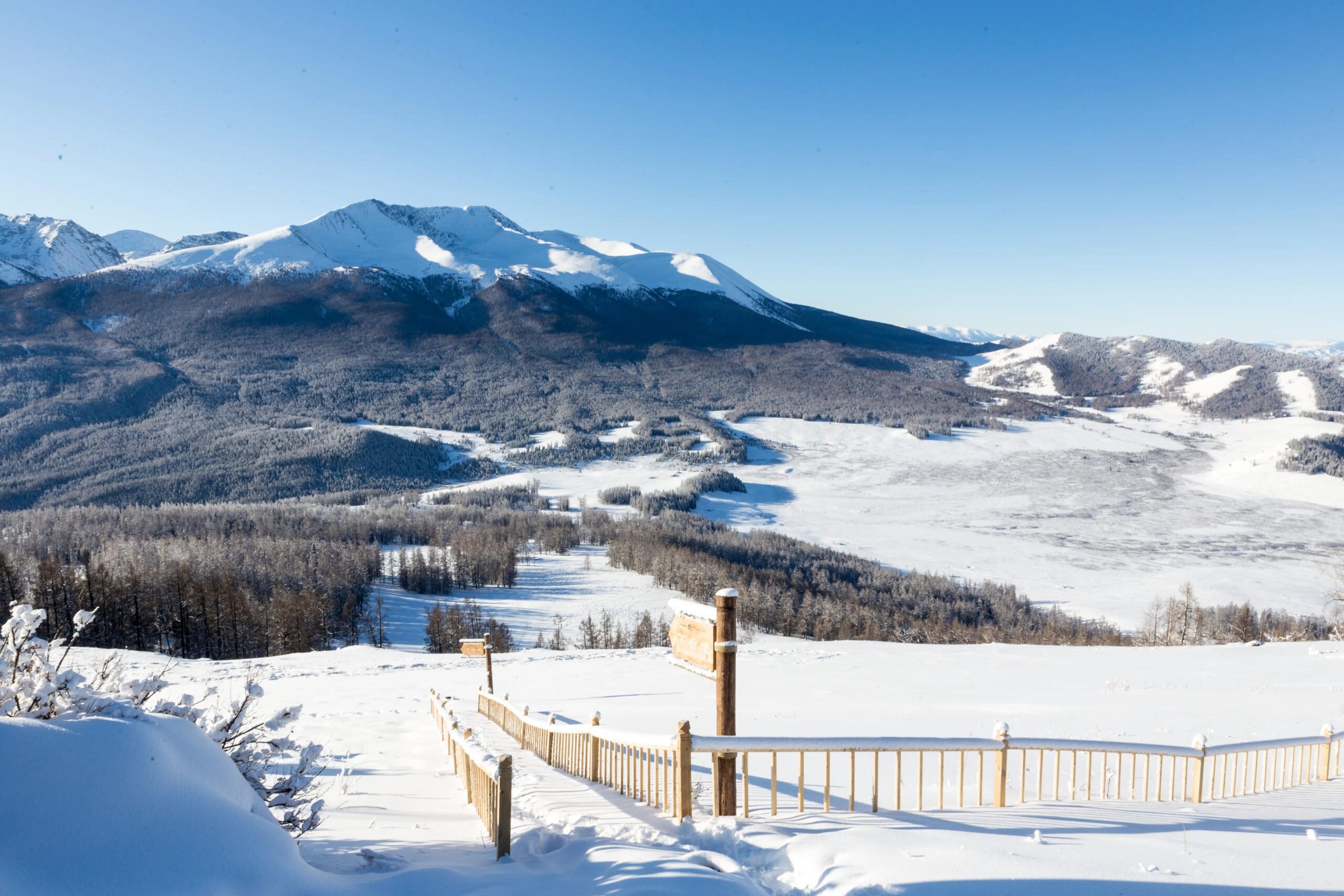
Xinjiang’s resorts sit far from the eastern cities, but that distance is part of the charm. The winter nights are long and clear, the air is dry, and the snow stays light. A handful of hills near Urumqi and in the Altai region now offer evening runs, and the experience is different from the busy floodlit slopes near Beijing. Out here, night skiing often means a smaller crowd, colder air, and a sky full of stars above the lights. If you are building a broader trip, our Xinjiang ski resorts guide explains which bases are most likely to have lights on during your visit, and how to time an evening session around the region’s early sunsets.
What to Expect on a Floodlit Slope
The biggest adjustment is the light itself. At night, shadows disappear and the contrast you rely on to read the snow is gone, so runs that felt easy by day can feel faster and flatter after dark. Most resorts light only a portion of the mountain, usually a handful of groomed beginner and intermediate trails, so your terrain choices narrow in the evening. Grooming teams often refresh these lanes before the lights come on, which means surprisingly good snow. Expect shorter lift lines, a relaxed pace, and staff who are winding down rather than ramping up. It is a different rhythm, and most skiers find it refreshing.
- Bring a clear lens: yellow or clear goggles suit floodlit snow better than dark tinted lenses.
- Dress warmer: temperatures fall quickly after sunset, especially in the north.
- Stick to lit runs: never drift beyond the floodlit boundary where patrol cannot see you.
- Start easy: pick a groomed trail you already know from the daytime.
Tips for a Safe and Fun Night Session
Night skiing rewards a little planning. Arrive before the lights switch on so you can eyeball the terrain in daylight, then ease into the evening with a warm-up run you have already skied. Keep your speed moderate until your eyes adjust to the flat light, and ski with a buddy so someone always knows where you are. If you are new to China’s resorts generally, our China skiing guide covers the basics of mountain etiquette and lift behaviour that apply just as much after dark as during the day. Hydrate and fuel up beforehand; the cold hides how much energy you burn.
Is Night Skiing Worth It?
For most visitors, yes. An evening session costs a fraction of a full-day pass at many hills, fits around a busy schedule, and offers a side of resort life that daytime skiers miss. It is especially good for families, for nervous intermediates building confidence, and for anyone who simply enjoys the strange quiet of a floodlit piste. Treat it as a bonus rather than your main skiing, and you will leave with a memory that stands apart from the standard morning-to-afternoon routine.
Why does floodlit snow look so different from daylight snow?
Under lights your eyes lose the shadows that reveal bumps and changes in pitch. A run that felt gentle at noon can read flat and fast after sunset, though the snow itself has not changed. Resorts light only a small groomed section, so terrain is simpler, but the visual trick still catches people out. Ease into your first two laps.
Equipment helps more than most people expect. A clear or yellow lens gives your eyes contrast that dark tints remove, and a warm layer matters once the temperature drops after the sun goes. The resort lighting guide looks at how coverage and brightness vary between floodlit hills, which explains why one mountain’s evening run feels crisp while another feels like skiing in a grey room. Ask at the lift desk which lanes are lit tonight rather than relying on last week’s report.
- Scout in daylight: identify the run and its exit before the lights come on.
- Keep a wide line: flat light hides small rollers until you are on them.
- Stay inside the lit boundary: patrol visibility ends where the lights end.
- Ski with a partner: the quiet after dark makes a solo fall easier to miss.
Do wind holds affect evening sessions more than daytime ones?
Evening operations face the same fronts that close daytime lifts, with one extra complication: crews thin out as the day ends. A resort may keep the upper mountain closed once wind picks up, leaving only the lower floodlit lane, or it may cancel the session outright. Check the notice board in the afternoon.
Northern resorts are more exposed than city hills, and a calm afternoon does not guarantee a calm evening. Our notes on wind holds and lift closures at Xinjiang resorts describe how operators decide when to stop chairs and which runs stay open. Treat the evening as a bonus session, never as the only skiing of the day, and you will not lose much when a front arrives. A short walk to the lift desk after lunch gets a clearer answer than any forecast app.
| Sign in the afternoon | Likely evening outcome |
|---|---|
| Chairs swaying, snow drifting sideways | Upper lifts held, lower lane only |
| Sky darkening west, gusts building | Session may be cancelled |
| Calm, clear, falling temperature | Best odds of a full lit lane |
Staff decide on the spot, so ask rather than guess. A five-minute question saves a cold walk to a closed gate.
Frequently Asked Questions
Which Chinese resorts have the best night skiing?
The strongest options sit near Beijing and in Heilongjiang, where resorts have invested in full floodlight systems and late operating hours. Xinjiang’s newer evening sessions are quieter and more scenic but cover less terrain. Check each resort’s current schedule before you travel, as lighted operations often run only on certain nights.
Is night skiing in China safe for beginners?
Yes, provided you stay on the lit, groomed trails. Resorts generally open only beginner and intermediate slopes after dark and keep patrol on duty. The main risks are the flat light and cold, both of which are manageable with the right goggles and warm layers. Ski with a friend and keep to runs you know.
Do I need different gear for floodlit slopes?
Not really, but a clear or yellow lens helps your eyes read the snow under artificial light. You will also want warmer clothing than you might wear at midday, since temperatures drop sharply after sunset. Everything else, skis, boots and poles, is the same as daytime.
How much does an evening session cost?
Night passes are usually cheaper than full-day tickets, sometimes substantially so, because they cover only a few hours and a limited area. Exact prices vary by resort and season, so confirm on the resort’s own booking page when you plan your trip.
Can I night ski if I am only visiting Xinjiang?
Some Xinjiang resorts offer evening runs, particularly near Urumqi, though the lit terrain is smaller than in the east. If night skiing matters to you, choose a base known for it and check the schedule, since operations depend on weather and demand.
Can children join a night session?
Often yes, on the lit beginner terrain, and it is a good way to end a family day without another full mountain. Check the minimum age and whether the ski school runs evening groups, because those rules vary more than the lift schedule. Keep sessions short; cold and flat light tire children faster.
Is a night pass cheaper than a day ticket?
Usually, because it covers fewer hours and a smaller area, sometimes substantially so. Prices change by resort and by season, so confirm the current figure on the resort notice board or its own booking page when you arrive. Remember to budget for a late transfer back to town, which is an easy cost to overlook on a short evening trip.