

If your idea of a perfect ski day is quiet forests, rolling tracks, and the rhythm of your own stride rather than a chairlift queue, China cross country ski terrain deserves a place on your list. Cross-country, or Nordic, skiing has deep roots in the country’s northeast, where long cold winters and flat river valleys make natural touring ground. In recent years purpose-built trail networks have appeared from Heilongjiang to Xinjiang, and a growing number of foreign skiers are discovering that China offers both groomed loops for technique work and vast backcountry for expedition-style tours. This guide walks through the main regions, what kind of terrain to expect, and how to plan a Nordic trip that matches your ability.
What Cross-Country Skiing Means in China
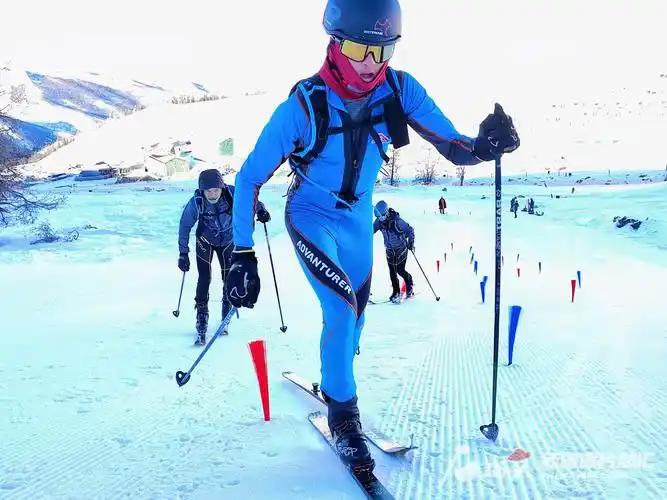
In China the term covers two quite different activities. One is classic and skate skiing on groomed trail systems at resorts and ski parks, where machines set parallel tracks and you cruise at your own pace. The other is backcountry touring, where you earn your turns or simply explore frozen lakes and wooded hills on waxed skis. Both are represented across the country, but the infrastructure for groomed loops is concentrated in the north and east, while Xinjiang offers more open, wild touring. If you want a grounded introduction before you travel, our Xinjiang cross-country skiing page breaks down what the far west specifically offers.
The Northeast: The Heart of Chinese Nordic
Heilongjiang and Jilin have the longest cross-country tradition in the country. The climate is cold and dry, the snow is reliable for months, and communities have skied for transport and sport since well before the modern resort boom. Around Harbin and the forested hinterland you will find both club trails and event circuits that host national competitions. The flat river basins and birch forests make ideal classic ski terrain, and many towns maintain lit loops for evening training. This region is the easiest place for a beginner to try Nordic skiing with rentals and lessons close at hand, and it pairs naturally with a visit to the area’s famous ice festivals.
Xinjiang’s Wide-Open Trails
Out in Xinjiang the cross-country experience shifts toward space and silence. The Altai region, often called a birthplace of skiing, has rolling hills and deep snow that suit both touring and skate skiing, and the dry continental climate keeps the snow light for much of the winter. Resorts around the Altai and Tianshan are beginning to add Nordic loops alongside their downhill lifts, so you can mix disciplines in one trip. For a broader picture of the region’s slopes, our Xinjiang ski resorts overview shows which bases are adding cross-country infrastructure, and how to reach them from Urumqi or Altay.
Trail Types You Will Encounter
Most developed sites offer a mix of loops graded by difficulty, much like a downhill mountain’s trail system:
- Green loops: flat or gently rolling, ideal for first timers and technique drills.
- Blue loops: longer with some hills, good for building endurance.
- Red and black: steeper climbs and descents for fit, experienced skiers.
- Backcountry routes: ungroomed, unmarked, and for self-sufficient tourers only.
Wherever you go, start on the easiest marked loop, learn to fall and recover, and only move up once your diagonal stride feels natural. Good etiquette matters too: ski in the right lane, do not walk on the groomed track, and yield to faster skiers on hills.
Best Time for Nordic Skiing
Timing your trip affects both snow quality and the atmosphere on the trails. The coldest months, January and February, bring the most reliable grooming and the firmest tracks, but also the shortest daylight and the harshest cold, especially in the northeast. March is a favourite for many tourers: the days lengthen, the sun returns, and the snow is still deep enough for good gliding, particularly on north-facing loops. In Xinjiang the dry climate keeps touring conditions usable later into spring than you might expect. Avoid the very start and end of the season if you depend on machine-set tracks, since early and late snow can be patchy and loops may open late or close early depending on weather. If your heart is set on a specific festival or race, book around it, because trail networks near event towns get busy on those weekends.
Where to Base Your Trip
If you want the most choice, the northeast delivers the densest network of groomed trails and the easiest logistics. If you want scenery and solitude, Xinjiang is hard to beat. Either way, pick a base near a known trail system rather than hoping to find tracks on the day. Our best ski resorts in China roundup includes hills with Nordic facilities, which helps you shortlist a region that fits both your downhill and cross-country goals. For general planning, the China skiing guide covers seasons, gear, and getting around the main ski provinces.
Gear and Lessons
You do not need much to start: waxless skis, basic boots, and poles are enough for a first day on groomed snow. Many northern resorts rent Nordic sets by the hour or day, and several run short classes for absolute beginners. Resort Nordic centres usually rent both classic and skate setups, so you can try both styles before committing to one. If you already alpine ski, the balance feels strange at first, but most people are gliding on a flat loop within an hour. Dress in breathable layers, because you generate more heat touring than you do riding lifts, and bring water. For a national view of equipment and rentals, see our Xinjiang skiing guide, which also touches on what to pack for cold, dry conditions.
Is Cross-Country Right for You?
Nordic skiing suits travellers who enjoy exercise, quiet, and self-paced exploration over the adrenaline of the downhill. It is cheaper than lift-served skiing, gentler on the joints, and a brilliant way to see winter landscapes up close. It also scales beautifully: a nervous first-timer and a fit marathon skier can share the same trail system at different speeds. If that sounds like your kind of day, China’s expanding networks are well worth the trip.
Frequently Asked Questions
Where is the best place to cross-country ski in China?
The northeast, especially Heilongjiang and Jilin, has the most established groomed trail networks and the longest Nordic tradition. Xinjiang offers spectacular open touring in the Altai and Tianshan. Choose the northeast for convenience and lessons, Xinjiang for scenery and space.
Do I need my own equipment?
No. Major Nordic sites and northern resorts rent skis, boots, and poles, often by the hour. Waxless skis are standard for beginners. If you plan to tour backcountry, however, you will want your own well-fitted kit and the skills to use it safely.
Is cross-country skiing in China good for beginners?
Yes. Flat green loops and short classes make it accessible even if you have never skied. The learning curve is gentler than alpine skiing, and you control your own pace. Start on the easiest marked trail and build up from there.
Can I combine cross-country with downhill skiing?
Absolutely. Several resorts, particularly in Xinjiang and the northeast, now offer both lift-served slopes and Nordic loops, so you can alpine ski in the morning and tour in the afternoon. Check each resort’s trail map before you book.
When is the cross-country season in China?
It tracks the general snow season: roughly late November through March in the north and northeast, with the coldest, most reliable snow in January and February. Xinjiang’s dry climate often extends good touring conditions well into early spring on north-facing terrain.