

A Xinjiang ski photo workshop is one of the most rewarding ways to combine a ski holiday with serious landscape and action photography. The region pairs reliable dry powder with dramatic mountain backdrops, blue-sky winters, and a growing number of slopes that are genuinely photogenic. Whether you shoot with a phone, a mirrorless camera, or a professional DSLR, a structured workshop lets you come home with images that actually match the experience rather than a folder of grey, overexposed snow. Below is a practical guide to what these workshops cover, where to find them, how much they cost, and how to get the best results when the temperature drops.
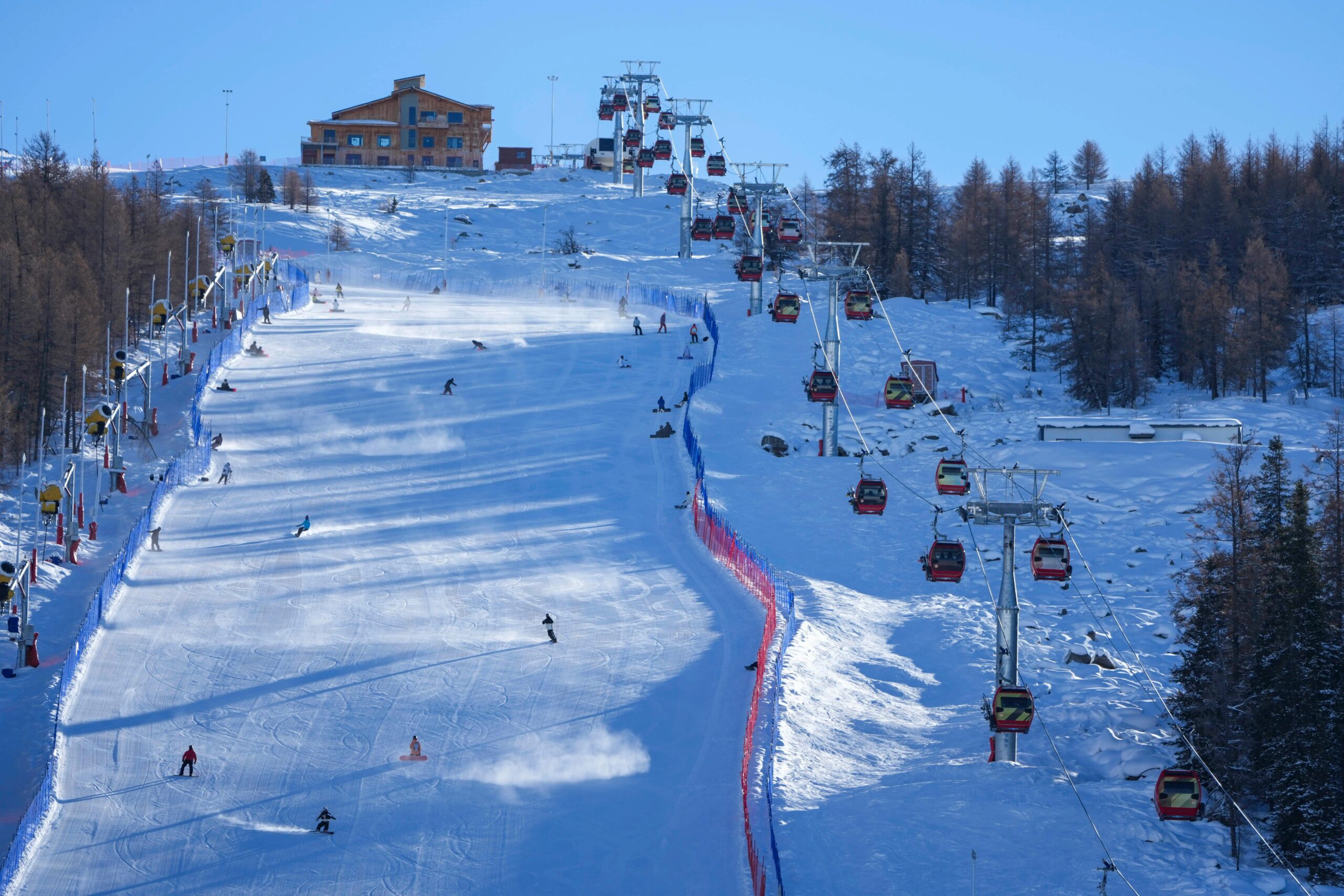
Why Xinjiang Is a Dream Setting for Ski Photography
What makes a Xinjiang ski photo workshop special is the combination of light and terrain. Resorts in the Altay and Tianshan ranges sit at high latitude with long, clear winter days, so the sun stays low and warm for much of the morning and late afternoon. That golden-hour light lasts far longer than most visitors expect, giving you a generous window to shoot without rushing. Snow here is famously dry, which means clean white surfaces that read beautifully in a frame and throw interesting shadows off groomed corduroy and off-piste lines alike.
Beyond the pistes, the scenery does a lot of the work for you. Spruce forests, frozen rivers, distant snow-capped peaks, and the occasional plume of wind-blown powder give every wide shot a sense of scale that is hard to fake. For travelers who want more than snapshots, this is why the region keeps appearing in magazine features and social feeds about skiing in China.
What a Ski Photo Workshop Usually Covers
Most workshops are run by resort ski schools or visiting instructors and last anywhere from a half day to a full weekend. They are designed for mixed ability levels, so you do not need to be an expert skier or a professional photographer to join. A typical program blends time on the snow with classroom or café-based review sessions, and many end with a small group critique where you see how everyone interpreted the same slope.
Mastering Camera Settings in Bright Snow
Snow fools meters. The single most useful thing a workshop teaches is exposure compensation: adding roughly one to two stops so white snow stays white instead of turning grey. Instructors also walk through shutter speeds for freezing action, aperture choices for isolating a rider against the mountain, and simple burst-mode habits that capture the exact moment of a turn or a spray of powder. If you shoot raw, they will show you how a few slider moves in editing recover highlight and shadow detail you thought you had lost.
Reading Light on the Slopes
You will learn to read the mountain for light. North-facing slopes hold flat, even tone in the morning; south-facing pitches glow warm before lunch. Knowing this helps you plan a shoot around the conditions rather than fighting them, and it is a skill that translates to any mountain you visit later. Workshops also cover the discipline of checking your histogram rather than the tiny rear screen, which is essential when glare makes the display unreadable.
Shooting Riders in Motion
Action photography is where most people improve fastest. A good coach positions you below a feature, explains panning technique to blur the background while keeping the skier sharp, and helps you anticipate a line so you are ready before the rider drops in. By the end of a session, even phone shooters usually leave with at least one frame they are proud of, and DSLR users often come away with a small portfolio of properly frozen powder turns.
Best Resorts and Locations for a Photo Workshop
If you are planning around photography, it helps to start from our guide to the most photogenic corners of Xinjiang resorts, which maps the viewpoints, lift-line vantages, and sunrise ridges worth setting an alarm for. The Altai resorts are the obvious choice for dramatic backcountry light, and Altai Jiangjunshan ski resort in particular is known for its compact layout that puts several strong viewpoints within a short traverse, so you spend less time hiking and more time shooting.
Urumqi-area resorts are easier to reach and better suited to a casual weekend workshop, with groomed, well-lit slopes and on-mountain cafés where groups can review images between runs. Either way, pick a resort whose base village and lift architecture you find interesting, because you will spend as much time around the resort as on the snow, and the buildings matter as much as the mountain for a complete story.
Gear You Should Pack for the Slopes
Cold is the enemy of both batteries and fingers. Our detailed notes on camera gear for Xinjiang skiing cover the practical kit: spare batteries kept in an inside pocket, a lightweight travel tripod for blue-hour village shots, lens cloths for blowing snow, and a small dry bag to protect electronics on powder days. You do not need pro equipment, but a phone with a decent telephoto or any camera you can operate with gloves on will make the day far more fun.
Many workshops lend filters and offer loaner bodies, so ask when you book. If you plan to shoot video, bring a chest or helmet mount and plenty of storage, because the footage adds up quickly once you start chasing first tracks. A simple rechargeable hand-warmer slipped against a battery door can also extend shooting time by a surprising amount in deep cold.
Learning From Local Instructors
The fastest improvement comes from coaching, and our roundup of ski photography tips from Xinjiang shooters is a good free primer before you arrive. Local instructors understand the light windows, the safe places to stand with a camera, and the etiquette of photographing other guests without getting in the way of the ski patrol. They also know which weeks bring the clearest skies, which matters more than people expect for planning a successful shoot, and they can tell you which lifts open first after a fresh snowfall.
When to Plan Your Workshop
Clear-sky weeks in mid-winter and early spring tend to give the cleanest light, while storm days produce moody, high-contrast scenes that suit a different style entirely. If your goal is bright, punchy powder shots, aim for the days right after a snowfall when the sun returns. If you prefer atmospheric, quiet images, a soft snowy morning can be even more rewarding, and it is usually far less crowded.
How to Book and What to Expect
Workshops are usually listed at resort ski schools or through travel agencies that bundle a lesson, lift access, and a guide. Prices vary with group size and duration, but a small-group half day is typically modest compared with a private lesson, and a weekend package that includes lodging is the most economical way to go deep. Book ahead in peak weeks, because group sizes are kept small on purpose. For the wider picture of where these sit among the region’s slopes, see our overview of Xinjiang ski resorts.
Frequently Asked Questions
Do I need an expensive camera to join a workshop?
No. Most workshops welcome phones and entry-level mirrorless cameras. The instruction focuses on light, composition, and timing, which apply to any device. Loaner gear is sometimes available if you ask when booking.
What is the best time of day to photograph Xinjiang slopes?
Early morning and the two hours before sunset give the warmest, most directional light and the fewest crowds. Midday sun is harsh and flat, so it is better spent reviewing images or shooting details in the shade.
Are photo workshops suitable for beginners who barely ski?
Yes. Programs are graded, and many include non-skiing sessions based in the village or at viewpoints reachable by gondola. Tell the organizer your level so they place you in the right group.
How cold does it get, and will my camera survive?
Winter temperatures are seriously low, but cameras handle cold well as long as you keep spare batteries warm and let gear acclimatize gradually when moving between indoors and outdoors to avoid condensation on the lens.
Can I hire a photographer to shoot my runs instead?
Some resorts and freelance guides offer ride-along shooting. It costs more than a workshop but is a good option if you would rather be in the frame than behind the lens.
Should I edit the photos after the workshop?
Light editing helps, but the workshops emphasize getting the shot in-camera first. A basic raw adjustment for exposure and white balance is usually enough to make Xinjiang’s snow look the way you remember it.