

Xinjiang is enormous — larger than many countries — and its ski regions are hundreds of kilometres apart. Getting around on a ski trip is therefore a real planning task, not an afterthought. The good news is that local transport within each ski cluster is straightforward, and the long hauls between clusters are solved by cheap domestic flights. This guide covers trains, buses, shuttles, car rental and resort transfers so your journey to Xinjiang for skiing carries through smoothly to the slopes. It works alongside our Xinjiang ski resort transfers page for the last miles, and the resort shuttle bus guide for the in-cluster hops that actually get your boots to the snow.
The Big Picture: Two Clusters, One Flight Apart
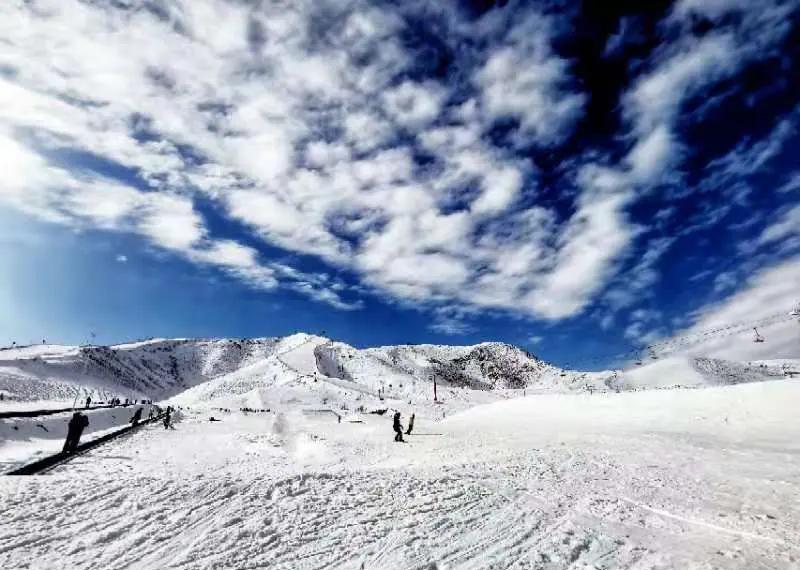
Remember the core geography. The Tianshan resorts sit around Urumqi in the east; the Altai powder hills sit in the far north. They are not a day trip apart — crossing regions means a flight (or a very long drive). So plan transport cluster by cluster: get comfortable moving around Urumqi and its hills, or around Altay and its hills, and treat the inter-region hop as a separate flight booking. Mixing the two in one short trip wastes a travel day you could spend skiing, which is the most common regret I hear from visitors who tried to do everything at once.
Getting to Xinjiang
Most international visitors fly into Urumqi, the regional hub with the best connections, then connect onward by air or rail. Straight-to-Altay flights exist in winter from Urumqi and a few cities, which saves a long drive if the north is your goal. Our guide to reaching Xinjiang for skiing maps the full set of flight and train options from outside the region, and it is worth reading before you book, because the arrival city decides which cluster you start in.
Trains: Slow But Scenic
China’s rail network is excellent, and train travel around Xinjiang for skiers is a comfortable, cheap way to cover medium distances. The high-speed lines reach major cities; slower sleeper trains connect farther points and save a hotel night. Trains are punctual and heated, which matters in deep winter when roads can ice over. The catch is that trains serve cities, not slopes — you will still need a shuttle or taxi for the final leg to a resort, so treat the train as the city-to-city link, not the door-to-lift solution, and book the last mile in advance.
Buses and Coaches
Within a cluster, long-distance and tourist buses link the cities and the resort towns. Buses to the Altai hills from Altay city, or to the Tianshan hills from Urumqi, run regularly in season and cost little. They are slower than a private car but reliable and a good budget option if you travel light. Schedules thin on off-peak days, so check times the day before. For the door-to-slope step, the shuttle bus guide lists the resort-run services that matter most, including where they depart and how early you must be at the stop to catch the first morning run.
Resort Shuttles and Transfers
Most resorts run their own shuttles from the nearest city or airport, and these are the easiest way in if you are not driving. Book them with your lodging or ticket where possible, because seats are limited on peak mornings and walk-up space is not guaranteed. Private transfers — taxi or pre-booked car — are faster and more flexible, and worth it if you ski with gear and want to set your own time. The Xinjiang ski resort transfers page compares shuttle versus private for each hill, including typical durations and where to book so you are not negotiating in the cold at 8am.
Renting a Car
A rental car gives the most freedom to ski multiple hills in one cluster, especially in the Altai where the three resorts sit a couple of hours apart by road. Winter driving, however, demands respect: icy roads, long empty stretches, and temperatures that can defeat a weak battery. The renting a car in Xinjiang for skiers guide covers licenses, winter tyres, and the insurance you should confirm before you sign. If you are not confident on ice or do not read the language, a driver or shuttle is the calmer, safer choice and removes a real source of stress from the trip.
Within Urumqi (Tianshan Cluster)
Urumqi is the easy cluster. The city has an international airport, ride-hailing apps, taxis, and a metro, and the three Tianshan resorts are all within one to two hours by road. A single city base covers Silk Road, Tianchi and Sun Mountain, with shuttles or a short drive each morning. You do not need a car here unless you want to roam; taxis and pre-booked transfers handle it. Build the daily transfer into your plan so you are not racing the opening bell, and remember that a relaxed 40-minute drive beats a frantic one when you are still waking up in the cold dark.
Within Altay (Altai Cluster)
Altay city is the northern hub. Jiangjunshan sits on the edge of town — bus, taxi or a short walk gets you there. Cocoa Tuohai and Hemu are farther, reached by road (Hemu especially is a longer, slower drive on winter roads). A rented car or a private transfer is the practical way to chain the northern hills; public buses exist but are slower and less frequent. Because the distances are real, base yourself sensibly: city for Jiangjunshan, or Hemu itself if the village is your priority and you would rather ski from the door than commute.
App-Based Transport and Payments
Ride-hailing works in the big cities but needs a local app and a Chinese payment method, which can trip up first-timers. Set up the relevant apps and a payment option before you fly, or fall back on hotel-desked taxis and pre-booked transfers. Cash helps for small vendors and some older cabs, and keeping small notes handy smooths the occasional gap. Planning the payment side before you land is one of those small tasks that prevents a stranded-in-the-cold moment on the one morning the app will not verify.
Timing Your Moves
Winter daylight is short, and storms can briefly close passes. Build buffer into any inter-city or inter-resort move: travel the day before a ski day, not the same morning. A missed transfer costs you a session; a buffer costs you nothing. For the resort hops specifically, the transfers guide notes typical durations so you can plan realistic departure times and still be on the first chair rather than the last shuttle of the day.
Transport by Trip Length
- Short stay (5 days, one cluster): fly in, use shuttles and taxis, no car needed — keep it simple and cluster-local.
- One-week, one cluster: a rental car pays off if you ski three-plus resorts and want to set your own daily schedule.
- Two weeks, two clusters: fly between regions; use local transport within each, and accept the travel day between them.
Budget Transport Comparison
If cost is tight, the ranking is roughly: public bus cheapest, then train plus taxi, then resort shuttle, then private transfer, then rental car with winter insurance. The differences are modest within a cluster but add up over a week with gear. The saving from a bus is real, but weigh it against time and comfort on icy mornings — a warm private transfer that gets you to first chair is often worth the premium over a cold, slow coach when the temperature is minus twenty.
Frequently Asked Questions
Do I need a car to ski Xinjiang?
Not within one cluster if you base in a city and use shuttles or taxis. A car helps if you want to ski several hills in the Altai without booking transfers each day, but it is optional, not essential, for most visitors.
Can I take a train to the ski resorts?
Trains reach the cities; you then need a shuttle or taxi for the final leg to the slopes. See train travel for skiers for the routes and which city pairs are worth the ride versus a flight.
How do I get from Urumqi to the Altai resorts?
Fly (fastest) or take a long train and road transfer. The clusters are too far apart for a sensible day trip, so book the hop as a flight and treat it as a travel day in your plan.
Are resort shuttles reliable?
Generally yes in season, but seats are limited on peak mornings — book with your lodging or ticket. The shuttle guide has the specifics per resort and the departure windows that matter.
Is winter driving in Xinjiang safe?
Roads are maintained, but ice and cold are real. Only self-drive if confident on ice and your car has winter tyres; otherwise use a driver or shuttle. The car rental guide explains the rest, including the insurance fine print.
What is the easiest cluster for a first-timer?
The Tianshan around Urumqi — best flights, shortest transfers, and the most English signage. The Altai is worth it but involves more planning and colder, longer drives between the northern hills.