

Not everyone can take two weeks off for the mountains. If your annual leave is short, a tight Xinjiang ski itinerary is still one of the best ski trips you can squeeze into five days. Xinjiang’s two main ski clusters — the Altai powder hills in the far north and the Tianshan resorts around Urumqi — are far apart, but each one is worth a visit on its own, and a well-planned five days gives you real time on snow without wasting a minute on logistics. This plan assumes you fly in and out of the region, ski hard, and keep travel to a minimum. It pairs well with our broader Xinjiang ski trip itinerary hub if you later want to extend the days or add a second region.
Why Five Days Works for Xinjiang
The biggest mistake short-stay visitors make is trying to ski both the Altai and the Tianshan in one trip. They are separated by a flight or a very long drive, and splitting your already-short window between them burns a full day in transit. The smarter move is to pick one cluster and go deep. Five days lets you ski three or four solid sessions, build in a recovery day, and still leave with a feel for the region. A short stay also forces good habits: you pre-book rentals, you choose one convenient base, and you do not overschedule. The Xinjiang ski resorts directory shows exactly what each base offers, so choose before you book flights rather than on the ground, when weather and availability may limit you.
Choosing Your Base: Altai or Tianshan
Before you lock the dates, decide which region matches your goal:
- Altai (north): deepest, driest powder and the most dramatic scenery. Best if snow quality is your priority and you do not mind colder temperatures and longer transfers between hills.
- Tianshan / Urumqi (east): easiest access, best snowmaking, more English signage, and city comforts. Best if this is your first Xinjiang trip or you have limited time and want minimal logistics.
For a first short stay, the Tianshan around Urumqi is the lower-friction choice because the airport, hotels and three resorts are all within an hour or two of each other. The where to ski in Xinjiang guide breaks the regions down further and explains which hills suit which skier, which helps you commit to a base before you fly rather than guessing on arrival.
The 5-Day Plan (Tianshan Version)
This is the version I send friends who have never been and only have a week. It is built around Urumqi as the hub, with one rest or travel buffer built in so a storm or a late flight never ruins the plan.
Day 1 — Arrive and Settle
Fly into Urumqi, transfer to your hotel, and sort out rentals or lessons on arrival evening. Do not ski on day one if you are arriving from sea level — the altitude and dry air hit harder than you expect, and a tired first session sets a bad tone. Instead, walk the neighbourhood, eat a big plate of dapanji (big-plate chicken), and sleep early. The guide to reaching Altay and Urumqi covers the airport transfer options and tells you roughly how long the last leg to your hotel takes, so you can plan a relaxed arrival rather than a rushed one.
Day 2 — Silk Road Ski Resort
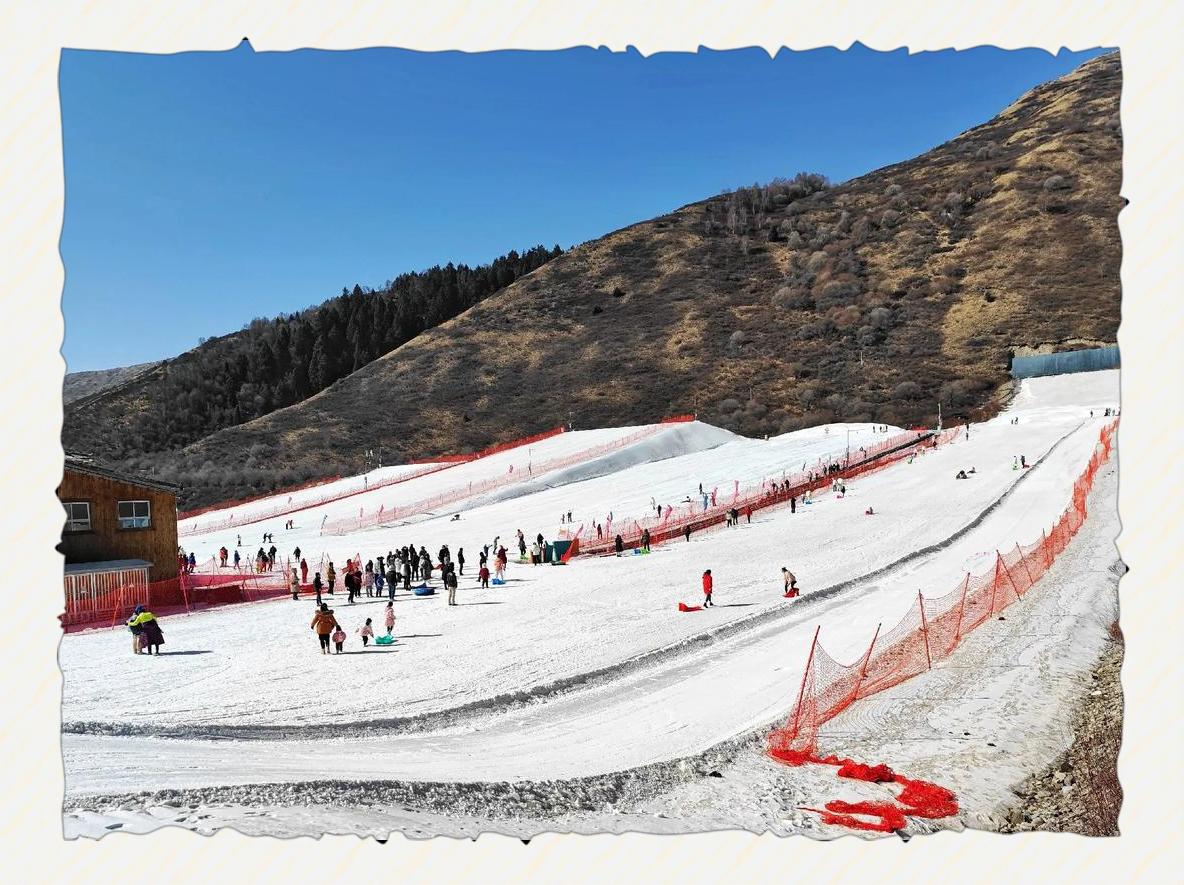
Start at the flagship Tianshan hill. Its lifts, snowmaking and terrain park are the best near the city, and it is a confident way to find your legs after a travel day. Ski the groomers, try a lesson if you are rusty, and finish with a base-lodge noodle lunch. Keep the afternoon light so you are fresh for day three, and use the evening to check the forecast and decide whether to repeat the hill or move on.
Day 3 — Tianchi or Sun Mountain
Move to a second resort for contrast. Tianchi gives you the postcard Heavenly Lake backdrop; Sun Mountain is the calmer, family-paced option with gentle boulevards. Ski a full day here, and use the evening to plan your powder ambitions or book any guiding you want for the next day. Switching resorts also keeps the trip feeling like an adventure rather than a single-hill repeat, which is exactly what a short visit should deliver.
Day 4 — Back to Silk Road or a Powder Push
Return to your favourite hill for a longer session, or, if a fresh storm has dropped snow, push north toward the Altai for a taste of real powder — only realistic if you committed to the north base from the start. A solid fourth day is where a five-day trip pays off: you are warmed up, the mountain feels familiar, and you can ski it with intent rather than caution. Treat this as your big-mileage day and save the easy cruising for the finale.
Day 5 — Final Runs and Departure
Ski a relaxed half-day, return rental kit, and head to the airport. If your flight is late, a short city sightseeing loop fills the gap. You leave having skied three or four sessions across two or three resorts — a genuine trip, not a teaser. The key is that you never spent a full day in transit within the cluster, so almost every daylight hour went to snow or recovery.
An Altai 5-Day Variant
If powder is the whole point, flip the plan north. Base in Altay city and ski Jiangjunshan on day two (it sits on the edge of town), then take a day trip to Cocoa Tuohai or Hemu village for deeper snow and scenery on days three and four, with a recovery and hot-spring day in the middle. The north rewards commitment, and five focused days there beat five split days across regions. The north is colder and the transfers between hills are longer, so build the buffer day in firmly and keep kit warm overnight.
Pacing Your Days
Five days is short, but do not ski all five at full tilt. The dry cold is deceptively tiring, and a rest or half-day keeps the rest of the trip fun. A rhythm I like: ski hard, ski easy, rest, ski hard, ski easy. Build at least one hot-spring or city evening in, because the local recovery culture is part of the experience and it genuinely helps the legs. Skiers who skip recovery tend to have a flat final day, which is a shame when you have travelled this far for a short window.
How This Compares to Longer Trips
A five-day plan is a concentrated version of our 7-day and 10-day itineraries. Those add a second region and more recovery days; this one trades breadth for simplicity. If you later have more time, the same base plan extends naturally — just add days at a second resort rather than changing the structure, and insert an extra rest day every three ski days so the longer trip does not wear you down.
Timing Your Five Days
When you travel matters as much as how you spend the days. The best time to ski in Xinjiang is January and February for reliable deep snow, but March is excellent for milder weather and empty slopes if you are a beginner. Avoid the domestic holiday weeks unless you book early, because prices and crowds spike. A five-day window in late February is my quiet favourite: deep base, milder air, and calm midweek pistes that feel almost private even at the flagship hills.
Logistics That Save Time
A few moves keep a short trip short:
- Pre-book rentals and lessons so you are not queuing on day two.
- Stay near the lifts or in the city hub to cut transfer time each morning.
- Pack for the cold so weather never costs you a session — layers, spares, and warm battery storage.
- Buy multi-day passes if you will repeat a resort; they are cheaper than daily tickets.
- Keep one buffer day in case a storm closes a pass or a flight slips.
Food, Recovery and Culture in Five Days
Even on a tight schedule, leave room for the table. Xinjiang’s food — laghman noodles, naan, mutton skewers, fresh dairy — is cheap, warming, and a highlight in its own right. One evening at a local hot spring, watching steam rise off the snow, is the fastest way to recover and the most memorable non-ski moment of the trip. You do not need a rest day to enjoy it; a late ski session and a soak after is enough, and it doubles as your recovery without losing slope time the next morning.
Common Mistakes on a Short Trip
- Changing regions mid-trip: burns a day you do not have and adds a flight you could spend skiing.
- Skipping the recovery day: leads to a tired, cold final two days and a higher chance of a minor injury.
- Under-dressing: the dry cold ends more trips than the terrain does, so pack a real winter kit.
- Booking only budget flights at bad hours: a red-eye that eats your first ski morning is false economy.
Frequently Asked Questions
Is 5 days enough to ski Xinjiang?
Yes. Five days lets you ski three or four sessions in one cluster with a recovery day, which is a proper trip. It is not enough to cover both the Altai and Tianshan, so pick one region and go deep rather than spreading thin.
Which region should I choose for a short stay?
First-timers and anyone short on time should base near Urumqi in the Tianshan for easy access and English signage. Powder hunters should commit to the Altai in the north instead, accepting colder air and longer transfers.
Can I ski two different resorts in 5 days?
Easily, within one cluster. The three Tianshan resorts around Urumqi are all within an hour or two of the city, so a single base covers them all without moving hotels mid-trip.
Should I book lessons in advance?
Yes, especially English lessons, which are limited at smaller resorts and in peak season. Booking ahead saves a travel-day queue and protects your ski time on the days you actually have.
What is the best month for a 5-day trip?
Late February is ideal — deep snow, milder air, and quieter midweek slopes. March works well for beginners who prefer softer snow and warmer days after the cold snaps of deep winter.
Do I need a rest day in only five days?
A half-day or one evening off helps, but you do not need a full rest day. A hot-spring evening after a late session gives most of the recovery benefit without losing slope time the next morning.