

Understanding Xinjiang ski weather is the difference between a trip of bottomless powder and a trip of boilerplate ice. The region’s climate is continental and extreme: brutally cold, fiercely sunny, and governed by Siberian storm tracks that deliver dry snow in repeating cycles. Because the season runs from late November deep into March, the conditions you meet change dramatically month to month. This month-by-month guide tells you what to expect, when the snow is deepest, and when the temperatures are mild enough for long, comfortable days on the hill — so you can book the window that matches the trip you actually want.

November: The Quiet Opening
Most resorts open in late November, but early season is a gamble. The base is still building, some lifts run limited hours, and temperatures can plunge well below -20°C on cold snaps. The upside is empty slopes and rock-bottom prices, plus the novelty of skiing before the crowds arrive. If you go, stick to groomed runs and check the daily Xinjiang ski weather and snow report before you book flights, because a warm spell can strip the lower mountain to grass in a bad year.
December: Cold, Reliable, and Quiet
December is when Xinjiang finds its rhythm. Storms arrive regularly, the base firms up, and the cold keeps snow dry and light. Crowds are thin except around Christmas. The skiing Xinjiang in December guide covers opening dates and what to pack for the cold. Expect daytime highs around -10°C to -15°C and serious chill on exposed lifts, so this is a month for skiers who enjoy the crisp, quiet edge of the season more than the party atmosphere of peak holidays.
January: Deepest Snow, Hardest Cold
January is the heart of the season. Snowfall peaks, the Altai stacks up metre after metre of powder, and bluebird days between storms are spectacular. But it is also the coldest month — often -20°C or worse at altitude. This is prime time for experts who want the deepest caches, provided you are geared for the cold. It is also peak season for the best powder weeks in Xinjiang, which fall in mid-to-late January after a storm cycle lays down a deep, stable base that the next storm then buries.
February: Powder With Better Light
February eases the cold slightly while keeping the snow deep. Days lengthen, flat-light mornings give way to brighter afternoons, and the snowpack is well-settled and less prone to nasty surprises. Late in the month the spring skiing in Xinjiang piece explains how the late season begins to soften on south faces. February is the sweet spot for many visitors: cold enough for quality snow, warm enough for comfort, and long enough days to ski past lunch without losing the light.
March: Spring Corn and Sun
By March, Xinjiang turns to classic spring skiing. Mornings are firm, midday corn, and afternoons slushy on south faces. Crowds thin after the holiday peaks, and the light is glorious for photography and for relaxed cruising. Snow is still plentiful up high, especially in the Altai, but lower resorts start to melt out by month’s end. This is the best month for sunny, social days rather than storm-chasing, and a good choice for families who want mild temperatures and soft snow to learn in.
April: The Tail End
A few high resorts and the glacier-adjacent terrain linger into April, but for most of Xinjiang the season is done. Expect limited operations and variable, often wet snow that freezes overnight and slushes by noon. Only worth it for die-hards chasing the last turns or combining skiing with early spring travel elsewhere in the region, when the valleys are starting to green and the contrast with the peaks is at its most dramatic.
Temperature and Wind by Region
The Altai (north) runs colder and snowier than the Tianshan around Urumqi, which sits in a warmer, drier rain-shadow. Wind is the wildcard: ridgeline chairs shut in strong gusts, so always have a backup plan of lower sheltered runs and a warming hut in mind. Our broader Xinjiang ski season explainer maps the opening and closing windows across resorts, and the best time to ski in Xinjiang article distils this into a single recommendation if you only have one trip to plan and cannot afford a gamble on the weather.
Reading the Daily Snow Report
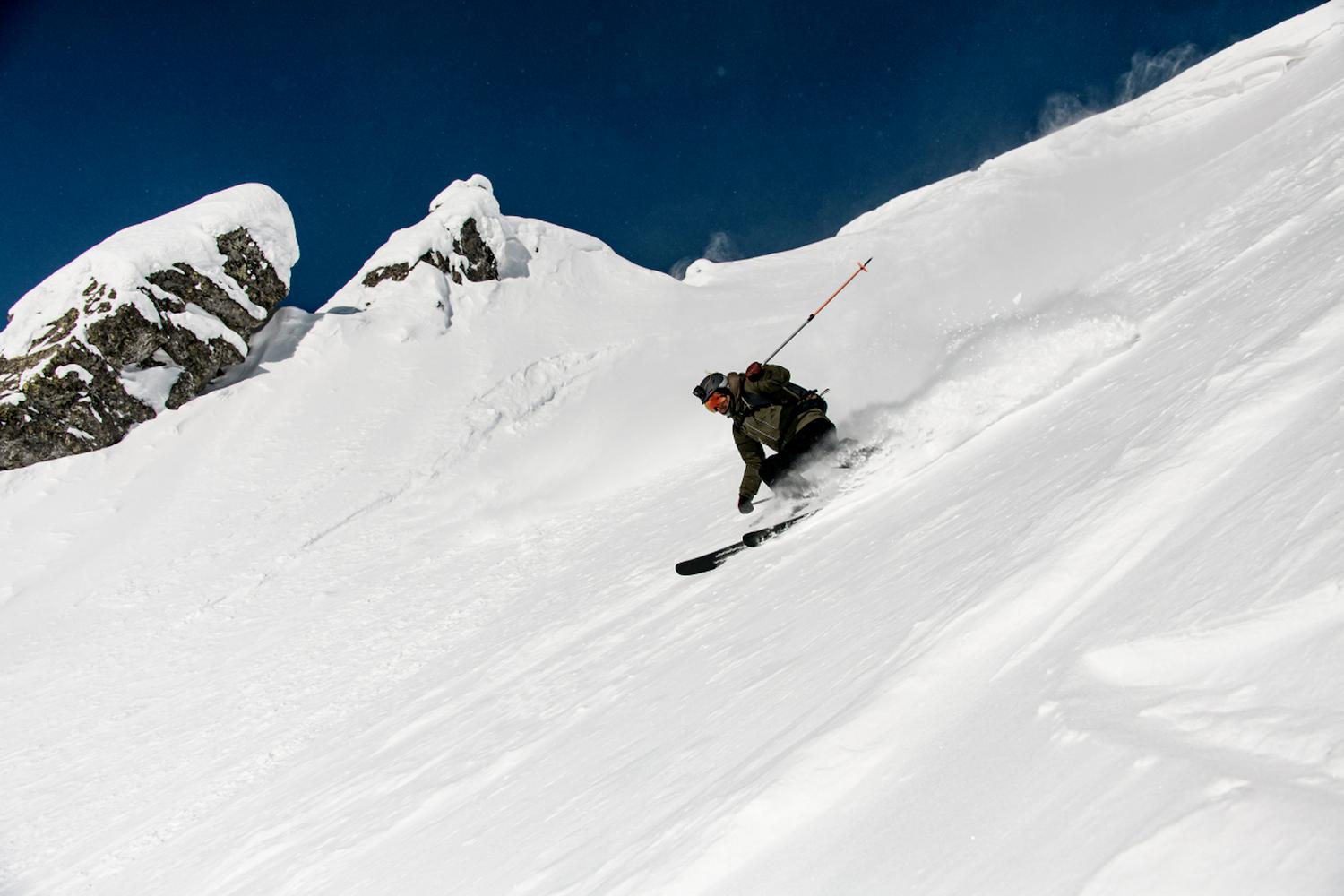
Conditions change fast. A resort can report 20 cm of fresh overnight, then a wind event scours the open bowls bare while the trees stay deep, or vice versa. Learn to read not just the depth but the wind direction and the temperature trend. Calm, cold, and snowing is the trifecta; warm and windy means crust. Treat any single report as a snapshot, not a forecast, and always look at the multi-day pattern before you commit to a long drive to a specific hill.
Packing for Changing Conditions
Because Xinjiang’s weather swings so hard, pack for the worst day you might meet, not the average. A warm, sunny base can sit beneath a -20°C whiteout up top, so carry spares of the items you cannot ski without: an extra pair of gloves, a spare goggle lens, a neck buff, and a real insulated jacket beyond your shell. Sun is the other hazard — at altitude the UV off the snow is fierce, so sunglasses, high-factor sunscreen, and lip balm belong in the pack even on cold days, and a burned face ruins a powder morning faster than most people expect. Finally, keep a thermos and a snack; a hot drink on a chairlift in January is not a luxury, it is what keeps your hands working for the next run. Layering and spares turn a miserable, cut-short day into a comfortable one.
Frequently Asked Questions
What is the coldest month for skiing in Xinjiang?
January is typically the coldest, often dropping to -20°C or lower at altitude, though the deep cold keeps the snow exceptionally dry and light for those dressed properly for it.
When is the snow deepest in Xinjiang?
January and February build the deepest base, with the standout powder weeks falling in mid-to-late January after a Siberian storm cycle dumps on the Altai and settles into a stable pack.
Is March good for skiing in Xinjiang?
Yes for spring conditions. Mornings are firm and afternoons soft, with long sunny days and thin crowds, though lower resorts begin to melt out by late March as the snow line climbs.
How cold does it get on the lifts?
Exposed ridgeline chairs can feel far colder than the base due to wind chill, sometimes 10°C below the valley temperature. Carry a belay puffy and heavy gloves for the ride up and the wait at the top.
Does the Altai or Tianshan get more snow?
The Altai in the north generally gets colder, deeper, and more consistent storms, while the Tianshan near Urumqi is drier and warmer — better for sunny, milder ski days but less reliable powder.
Can you ski in Xinjiang in April?
A few high resorts run into April, but most of the region closes by late March. April skiing is limited, variable, and only for those chasing late turns on the highest, most sheltered terrain.