

Xinjiang’s snow is famous for being cold, dry, and remarkably light. That kind of powder is a dream to ski, but it is also abrasive on ski bases and unforgiving of neglect. If you want your skis to glide, hold an edge on icy morning groomers, and survive a week of resort and backcountry miles, a basic understanding of ski waxing and tuning will pay off immediately. This guide walks foreign skiers through the essentials: when to wax, how to hot-wax at your accommodation, sharpening edges, and simple base repairs you can do without a workshop.
Why Xinjiang Snow Demands Attention
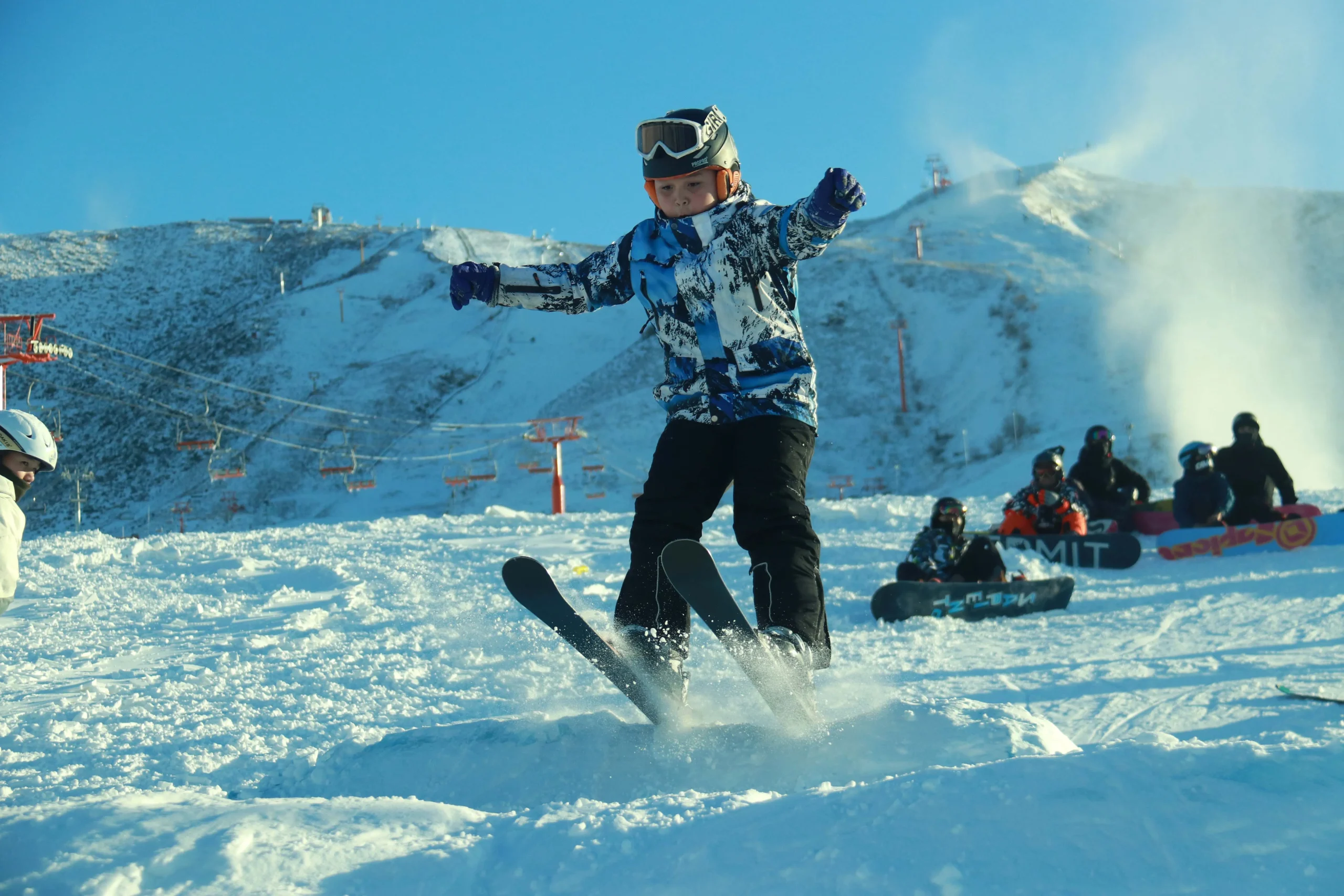
The resorts around Altay and the Tian Shan range sit in a continental climate with very low humidity. Dry snow contains less moisture, so it scrapes tiny particles off your base every run. Over several days this friction slows you down and can leave the base looking chalky. A fresh layer of wax restores glide and protects the base. Many visiting skiers who rent equipment never think about this, but if you brought your own skis, maintenance is the difference between effortless carving and sluggish skating.
Cold Versus Warm Wax
Wax is temperature-specific. Xinjiang’s peak season runs cold, often well below freezing, so a cold-temperature fluoro or hydrocarbon wax performs best. A warm wax on a cold day gets slow and sticky; a cold wax on a warmer spring day is acceptable but a touch sluggish. When in doubt, choose the wax rated for the colder end of the forecast.
What You Need to Wax at Your Hotel
You do not need a full workshop. A compact travel kit covers most situations:
- A small waxing iron (or a dedicated ski iron—never a clothes iron with steam holes left open).
- Hardness-appropriate glide wax.
- A plastic scraper and a brass/nylon brush.
- An old towel and newspaper to protect the table.
If carrying an iron is impractical, many skiers book a tune at one of the larger Xinjiang ski resorts that offer daily waxing services. It is a reasonable indulgence when you are skiing every day.
How to Hot-Wax Step by Step
Hot waxing is the gold standard and takes about twenty minutes plus cooling time:
- Clean the base with a damp cloth and a base cleaner if it is dirty.
- Secure the skis base-up on a stable surface.
- Touch the wax to the warm iron and drip a bead along the length of the ski.
- Spread the wax evenly with the iron, keeping it moving so you never scorch the base.
- Let the skis cool fully—ideally an hour, or overnight for best bonding.
- Scrape off all excess wax with firm, even passes, then brush to expose the structure.
For powder days at spots like Xinjiang powder resorts, a well-structured base keeps you floating instead of dragging.
Edge Sharpening Without Ruining Your Skis
Edges cut into hard pack and ice so you can control your line. A dull edge slides; a sharp one bites. Use a guided file tool set to the factory angle (commonly 88–90 degrees) and work from tip to tail in smooth strokes. Remove the burr on the side edge afterward with a few light passes of a diamond stone. Avoid over-sharpening—shaving too much metal shortens the life of your skis and can make them grab unpredictably in soft snow.
Base Repair for Gouges
If you hit a rock and gouge the base, a P-tex candle or repair stick fills the gap. Melt a small amount into the cleaned gouge, let it cool, and scrape flush. Deep core shots that expose the wood or fiberglass should be handled by a shop; skiing on them invites water damage.
Tuning for Different Xinjiang Terrain
Resort cruisers and glade and tree skiing reward a sharper edge, while untouched backcountry lines favor a slightly detuned tip and tail so the ski flows through variable snow. Adjust your tune to where you spend most of your time, and re-wax whenever the base looks dry or feels slow.
Waxing in a Hotel Room Without the Mess
Many travelers worry about waxing in a hotel room, but it is cleaner than it sounds. Lay newspaper under everything, keep a window cracked for ventilation, and never leave the iron unattended. A small travel vice that clamps to a table edge holds the ski steady and makes scraping far easier than balancing the ski across two chairs. Do the work in the evening, let the wax cure overnight, and scrape in the morning before you head to the lift.
Choosing Wax at Xinjiang Shops
Resort shops in Altay and Urumqi stock a wide range of glide waxes, but the labels are often in Chinese. Learn the key characters for “cold” (冷) and “warm” (温), or simply tell the technician your planned dates and they will select an appropriate compound. If you are tuning yourself, buy a small block of universal cold wax before you fly—it travels easily in checked baggage and covers most Xinjiang conditions.
When to Use a Liquid Wax
Liquid and rub-on waxes are convenient for a quick top-up between hot waxes. They do not last as long or perform as well in deep powder, but they are a fine stopgap after a warm day or a long transfer. Think of them as a supplement, not a replacement, for a proper hot wax.
Common Waxing Mistakes to Avoid
Beginners often overheat the base with a stationary iron, leaving it dull and potentially damaged. Keep the iron moving at all times. Others scrape too little, leaving a sluggish coat of excess wax on top instead of exposing the structured base—scrape thoroughly, then brush. Finally, never wax immediately after a base repair without letting the fix cool and cure; rushing bonds poorly and shortens the repair.
A Simple Weekly Tuning Routine
If you are skiing six or seven days straight, a light routine keeps your skis happy without eating your evenings. On arrival, hot-wax and brush. Midweek, refresh with a liquid wax and check the edges for burrs. Before any big backcountry day, do a full hot wax and confirm the base is clean. This cadence suits the typical visiting skier who wants strong performance without turning the holiday into workshop time.
Frequently Asked Questions
How often should I wax my skis in Xinjiang?
For daily skiing in dry powder, wax every two to three days, or whenever the base looks chalky and glide drops. A hot wax before a big powder day makes a noticeable difference.
Can I use a normal clothes iron?
Not recommended. Clothes irons have uneven heat and steam holes that catch wax. A dedicated ski iron holds a stable temperature and is cheap insurance against scorching your base.
Is it worth tuning rental skis?
Usually no. Rental bases are maintained by the shop, and you cannot keep the skis. Spend your energy on fit and comfort, and let the resort handle tuning.
What edge angle should beginners use?
Stick with the factory angle, typically 88–90 degrees. A more acute angle feels sharper but chips easily and is harder to maintain for novice skiers.
Do I need special wax for backcountry touring?
Backcountry skins provide grip on the climb, so wax matters mainly for the descent. A cold glide wax suited to the day’s temperature is sufficient; leave the race-wax experiments at home.
Where can I get skis tuned near the resorts?
Most major Xinjiang resorts have on-site tune shops offering wax, edge, and base repair. In towns like Altay and Urumqi you will also find independent ski servicers during peak season.