

Between powder runs and long lunches, most visitors discover that Xinjiang’s ski resorts are surprisingly good places to shop. Base villages stock everything from forgotten gloves to hand-woven Kazakh felt, and the retail scene has matured quickly as the region positions itself as a serious international destination. Whether you need a last-minute base layer or want to carry home a genuine piece of Altai culture, knowing where and how to shop saves both money and hassle. This guide walks through what you can buy at the Xinjiang ski resorts, realistic prices, and how to avoid the tourist traps.
What You Can Actually Buy on the Mountain
Resort retail in Xinjiang falls into three broad categories: technical gear, everyday convenience items, and local crafts. Technical shops carry gloves, goggles, base layers, hand warmers, wax, and replacement buckles. Prices for imported brands run 15 to 30 percent above what you would pay online, but the convenience is real when a strap snaps at 9 a.m. Convenience corners near the lifts stock sunscreen, lip balm, snacks, bottled water, and phone cables. Local craft stalls, usually clustered near the main village square, are where the region truly shines.
- Technical gear: goggles, gloves, socks, thermal layers, wax, tuning kits.
- Convenience items: sunscreen, snacks, batteries, SIM cards, chargers.
- Local crafts: Kazakh felt, embroidered textiles, wooden skis, honey, dried fruit.
If you are missing a core piece of equipment rather than an accessory, compare the on-site shop with a proper rental counter first. Buying a cheap resort glove often costs more than a quality rental, so read our notes on Xinjiang ski resort rental quality before committing.
The Best Local Souvenirs to Bring Home
Xinjiang sits at the crossroads of Kazakh, Uyghur, Mongolian, and Han cultures, and that mix shows up in its handicrafts. The most rewarding souvenirs are things you genuinely cannot find elsewhere.
Kazakh Felt and Textiles
Handmade felt slippers, wall hangings, and saddle blankets are the signature craft of the Altai region. Colors are bold, patterns are geometric, and each piece is genuinely made by hand in nearby villages. Expect to pay 80 to 300 RMB for slippers and 400 RMB and up for large wall pieces.
Traditional Wooden Skis
The Altai Mountains are widely cited as a birthplace of skiing, and miniature versions of the horse-hair-lined tuwa skis make a meaningful gift for anyone who loves the sport. Full-size decorative pairs are heavy but unforgettable.
Food and Drink
Altai honey, dried apricots, walnuts, and Xinjiang raisins travel well and pass through customs in most countries. Vacuum-packed dried fruit is the easiest edible souvenir to carry.
Jewelry and Small Keepsakes
Silver-and-stone jewelry in Kazakh and Uyghur styles is widely sold and easy to pack. Beaded bracelets, engraved pendants, and small carved horn ornaments make thoughtful, lightweight gifts. Prices range from 30 RMB for simple beadwork to several hundred for hallmarked silver, so ask directly whether a piece is solid silver or plated before you pay a premium.
Buying Gear on the Mountain Without Overpaying
It is easy to blow a budget on impulse gear purchases when the weather turns or you forget an item. The smartest approach is to treat resort shops as an emergency backstop rather than your main outfitter. Accessories such as goggles, gloves, neck gaiters, and hand warmers are genuinely worth buying on-site when you need them, because the alternative is a cold, miserable day. Larger items like jackets, helmets, and boots almost always cost less if you rent from a proper counter or buy before you travel. Keep a simple mental rule: if it fits in a jacket pocket and you need it today, buy it here; if it is bulky or expensive, rent or replace it later.
- Compare the on-site price against a quick phone check before big purchases.
- Ask whether the shop offers a rental version of the item you want.
- Check return and exchange policies, which vary widely between shops.
How Much to Budget
Shopping on the mountain is optional, but a realistic souvenir and convenience budget helps you avoid overspending in the moment. Here is a rough guide for a week-long trip:
- Convenience items: 100 to 250 RMB for sunscreen, snacks, and small forgotten gear.
- One quality souvenir: 200 to 500 RMB for felt, textiles, or a decorative ski.
- Edible gifts: 100 to 300 RMB for honey and dried fruit to share back home.
First-time visitors often underestimate how tempting the craft stalls are after a few relaxed evenings, so build a small buffer into your overall plan. Our first timer Xinjiang ski resort guide covers how souvenir and food costs fit into a wider daily budget.
Where to Shop at the Resort
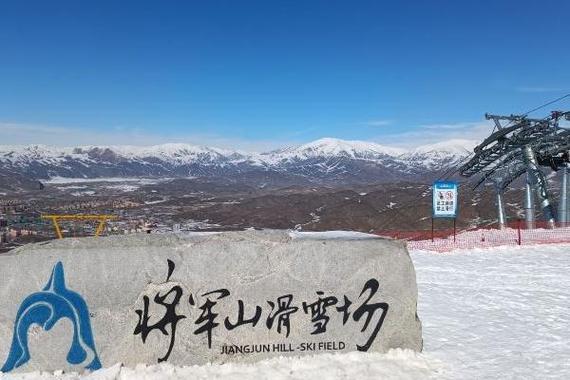
Most retail is concentrated in the base village rather than mid-mountain. The main square typically hosts craft vendors, while dedicated ski shops sit near the gondola loading area. Larger resorts such as Silk Road and Jiangjunshan have small shopping streets with cafes, gear stores, and gift boutiques side by side. When you break for lunch, the food courts are usually only steps from the best stalls, so combine eating and browsing to save time on cold days.
Timing Your Purchases
Craft vendors are most active in the late afternoon and early evening as skiers come off the hill. Gear shops open early for the morning rush. If you want the widest selection of felt and textiles, shop mid-week; weekend crowds thin out the most popular sizes and colors quickly.
Payment, Bargaining, and Practical Tips
Nearly all resort shops accept mobile payment via WeChat Pay and Alipay, and larger stores take cards. Cash is still handy at independent craft stalls. Foreign visitors should link an international card to a mobile wallet before arriving, because signal near the lifts can be patchy; you can confirm coverage in our guide to Wi-Fi and connectivity at Xinjiang ski resorts.
- Gentle bargaining is acceptable at craft stalls but not in branded gear shops.
- Ask for a receipt on any purchase over 300 RMB in case of customs questions.
- Check felt items for even stitching and a clean, wool-free backing.
- Keep fragile items like carved wood in your carry-on, not checked luggage.
Frequently Asked Questions
Can I pay with a foreign credit card at Xinjiang ski resorts?
Larger shops accept international cards, but most day-to-day purchases run through WeChat Pay or Alipay. Link an international card to a mobile wallet before your trip, and carry some cash for small craft stalls that are card-free.
What is the most authentic souvenir to buy?
Handmade Kazakh felt slippers or a decorative Altai wooden ski are the most distinctive and genuinely local options. Both are made in villages near the resorts and are hard to find anywhere else in the world.
Are resort gear shops expensive?
Yes, expect to pay 15 to 30 percent more than online prices for imported technical gear. Buy accessories on the mountain for convenience, but rent or buy larger equipment before you arrive to save money.
Can I bring dried fruit and honey through customs?
Vacuum-packed dried apricots, raisins, and walnuts pass through most countries’ customs without issue. Honey is restricted in some destinations, so check your home country’s rules before buying large jars.