

The mountains that make Xinjiang paragliding snow such a draw are the same ones that draw skiers from around the world. Towering ranges, deep valleys, and reliable thermals mean that, when the snow season winds down or on a rest day, the sky opens up as a playground. This guide looks at paragliding and other air and snow sports you can pair with a ski trip in Xinjiang, where to find them, and how to do it safely.
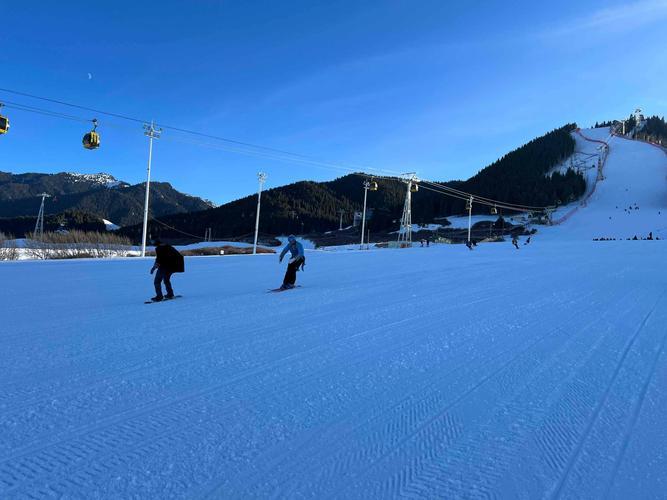
Why Xinjiang Is Great for Flying
The region’s vast, dry, and stable air creates excellent conditions for paragliding. Big elevation gains between take-off ridges and valley landings give long, scenic flights, and the same clear weather that skiers love also suits pilots. Around resort areas you will often see wings climbing above the tree line at sunrise. It is a spectacular way to see the terrain you have been skiing from a new angle.
Paragliding Near the Resorts
Several Xinjiang mountain areas have established paragliding activity, with local clubs and tandem operators. A tandem flight is the easiest entry: you ride with a licensed pilot and need no experience. For licensed pilots, flying near a ski resort means coordinating with the area to avoid the lift corridors and landing zones. Always check local rules, as some resorts restrict flight during peak ski hours.
Tandem Flights for Visitors
If you have never flown, book a tandem with a registered operator. It is the safe, thrilling way to add an air sport to your ski holiday without training. Ask your lodge or the hidden-gem spots around Xinjiang resorts guide for operator recommendations in quieter base areas.
Licensed Pilot Logistics
Bring your certification, a reserve parachute, and a radio. Research launch sites in advance, respect no-fly zones, and never launch from within a resort’s operating boundary without permission.
Other Air and Snow Sports to Try
Paragliding is just one option. The same landscapes support a surprising range of activities that complement skiing:
- Snowshoeing and winter hiking – quiet ways to explore the valleys.
- Ice climbing – frozen waterfalls near some base areas attract specialists.
- Snowmobiling – guided tours reach backcountry zones skiers cannot.
- Aerial photography drones – capture the peaks, within local flight rules.
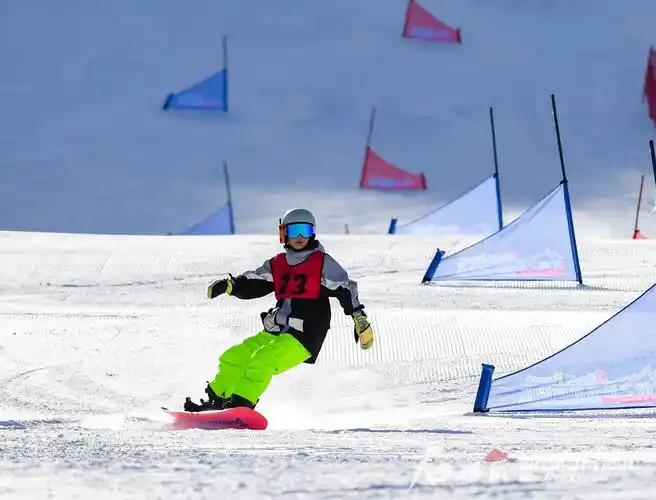
Combining Flying With Photography
The views from a wing are unreal, and many pilots carry cameras. If you prefer to stay on the ground, our photography tips for Xinjiang skiing and the list of best photo spots at Xinjiang ski resorts will help you frame the mountains at their best. Golden hour on a ridgeline is unforgettable whether you shoot from skis or from the air.
Best Conditions and Timing
Calm, sunny spring days are ideal for paragliding, which is why it pairs naturally with the best sunset runs in Xinjiang: ski until the light softens, then watch or fly as the sun drops. Mornings often have the smoothest air; afternoons build thermals that experienced pilots use to gain altitude. Avoid flying in storm winds or poor visibility.
Safety First in the Sky
Paragliding carries real risk and demands respect. Fly with certified operators, wear a helmet, and never pressure a pilot into marginal conditions. Insurance that covers air sports is worth checking before you book. The same caution you use on steep snow applies in the air: read the weather, know your limits, and turn back when unsure.
Where to Base Yourself
Mountain towns near the resorts double as launch hubs. Staying slightly away from the busiest base gives easier access to quieter take-off ridges. The winter skiing around Kanas Lake area is also renowned for dramatic scenery that translates beautifully to both skiing and flying.
Learning to Paraglide on a Longer Trip
If you are staying several weeks, a beginner course is realistic. Licensed schools run training hills where you learn ground handling, launches, and gentle landings before any big flight. Combine this with skiing on alternate days and you get two mountain sports in one trip. Confirm the school is registered and insured, and note that courses are weather-dependent, so build buffer days into your plan rather than booking a tight schedule.
Drone and Camera Rules in the Sky
Both paragliders and drones fall under local flight rules. Drones need registration and no-fly compliance near airports and populated bases; flying one near a resort without permission risks fines and is disrespectful to other visitors. Pilots carrying cameras should secure them and avoid distracting themselves mid-flight. The reward is footage unlike anything from the ground, but the rules exist for everyone’s safety, including yours. When in doubt, ask a local club before launching, because a five-minute conversation prevents a fine or a dangerous encounter with restricted airspace.
Combining Ski and Flight Itineraries
A balanced trip might ski mornings and fly or watch flights in the calm afternoons, or dedicate certain days fully to the air. Many visitors find that pairing the two stops them from burning out on either. Quieter periods at the least-crowded times at Xinjiang resorts also happen to be the smoothest for flying, so the two hobbies reinforce each other naturally.
Best Resorts and Base Areas for Flying
The most flyable bases pair a high take-off ridge with a safe, open valley landing. Around Xinjiang’s ski regions, the quieter northern resorts and the open Altay valleys tend to suit recreational pilots better than the busy Urumqi front side, where lift traffic is constant. Ask locally which ridges are currently active, because launch sites shift with wind and snow. A good pilot community is the best source of up-to-date, safe information, and pilots who share the mountain with skiers tend to know the etiquette that keeps everyone happy.
Insurance and Permissions to Arrange
Before you fly, confirm your travel insurance covers paragliding, since many standard policies exclude air sports. Tandem operators usually carry their own cover, but solo pilots need their own. Permits may be required near protected areas or close to the border regions that define Xinjiang’s geography, so research ahead rather than assuming open sky. Sorting this at home is far easier than negotiating from a mountain car park, and it prevents a ruined trip if officials ask for paperwork on launch day. A printed copy of your license and insurance in the pack beats a phone screen that dies in the cold.
Frequently Asked Questions
Can I paraglide if I have never skied?
Yes. Paragliding and skiing are separate skills. A tandem flight needs no skiing experience, though many visitors combine the two for a full mountain trip.
Is paragliding available in winter?
It depends on weather and operator availability. Cold, calm days can be flyable, but deep winter is less common than the stable spring shoulder season for recreational flying.
Do I need my own gear?
For tandem flights, no. For solo flying, you need certified gear and a license recognized locally. Visitors should arrange this through established clubs before arriving.
Is it safe to fly near ski lifts?
Only with coordination. Active lift corridors are off-limits to avoid collisions. Pilots must launch and land well clear of ski operations and follow resort rules.
What else can I do on a non-ski day?
Snowshoeing, winter photography, hot springs, and town food tours are all easy rest-day options that need no flying experience.