

Planning your first winter trip to China’s northwest and wondering whether to strap on skis or a snowboard? Both are wildly popular across the region’s powder-rich resorts, and the choice shapes your whole experience. This guide helps you decide based on your fitness, budget, and the kind of terrain you want to ride. Whether you dream of gentle groomed boulevards or deep off-piste powder, Xinjiang delivers both, and your equipment choice determines how quickly you enjoy them. 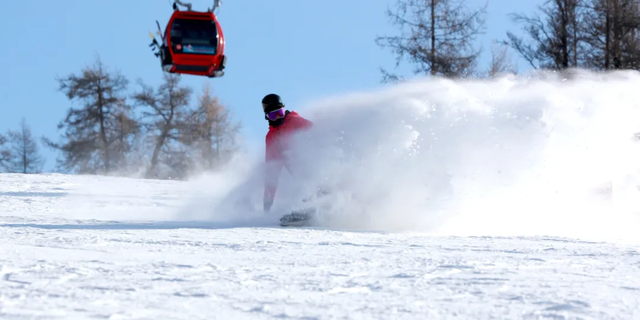
Why Xinjiang Is a Great Place to Learn
Xinjiang’s ski resorts sit beneath some of the driest, lightest snow on the planet. The Altai and Tianshan ranges catch cold, dry storms that produce the famous Xinjiang powder. For beginners, that means forgiving landings and fewer nasty ice patches than you would find in warmer, wetter regions. Many resorts also run well-organized ski schools with English-speaking instructors, so you can start from zero and be linking turns by day three. The altitude is high, the air is crisp, and the ski culture is welcoming to newcomers from abroad. If you want the bigger picture before you commit, our Xinjiang skiing guide covers the region’s layout, seasons, and resort tiers in detail.
The Learning Curve: Skis vs Snowboard
Most first-timers find skiing marginally easier to pick up in the first two days. You keep both legs independent, which feels natural when you are simply trying to stay upright. Snowboarding has a steeper initial wall — you will spend the first session falling onto your wrists and knees — but once it clicks, progression can be faster and the style more playful. Neither is objectively better; they simply suit different temperaments and bodies.
- Skis: Easier first steps, simpler to stop, better for covering long distances and variable terrain.
- Snowboard: Harder start, but more intuitive once balanced; fantastic for powder and freestyle.
- Both: Rentals are widely available, so you can even try one for a day and switch.
If you are travelling with family, our Xinjiang family ski guide explains which resorts have the gentlest beginner zones and childcare, which helps you pick an activity the whole group can enjoy together.
Cost Considerations for Beginners
Neither option is cheap on a first trip, but the numbers differ. Ski rentals often cost slightly less than snowboard packages, and lessons are priced similarly. The bigger variable is how many days you need before you are independent. A detailed breakdown lives in our Xinjiang ski budget guide, which covers lift passes, gear hire, and lessons across resort tiers. As a rule, book lessons and rentals as a multi-day bundle to unlock the best rates, and avoid peak春节 (Spring Festival) weeks when demand spikes prices.
- Beginner lift pass (restricted to green runs): usually the cheapest daily option.
- Gear rental for a full week is cheaper per day than day-by-day hire.
- Group lessons beat private ones for pure cost-efficiency, though private coaching fixes bad habits faster.
Physical Fitness and Preparation
You do not need to be an athlete, but a little preparation pays off. Both sports tax your legs, core, and balance. In the weeks before travel, add squats, lunges, and balance-board work to your routine. Snowboarders benefit from strong ankles and flexible hips; skiers gain from quad endurance. Stretch daily on the mountain, because cold muscles cramp easily at altitude. Hydration matters more than you expect in Xinjiang’s dry winter air, so carry a small insulated bottle.
How Many Days You Really Need
Plan for at least three ski days to judge your preference. Day one is about falling safely and finding your edges; day two builds confidence; day three is when most beginners finally relax and start to enjoy the motion. If you can stretch to five days, you will likely graduate from the magic carpet to a chairlift and a real green run. Resist the urge to jump onto steep terrain too early — Xinjiang’s mountains are big, and patience prevents injuries that could end your trip.
Which Resorts Suit Newcomers Best?
Not every Xinjiang resort is beginner-friendly. The largest slopes near Urumqi have expansive green circuits and English signage, while remote Altai resorts reward confident riders more than first-timers. Our Xinjiang ski resorts overview ranks each by difficulty, and the best beginner resort guide narrows it down further. For a first visit, base yourself somewhere with a dedicated learner area, on-mountain medical support, and instructors who speak your language. 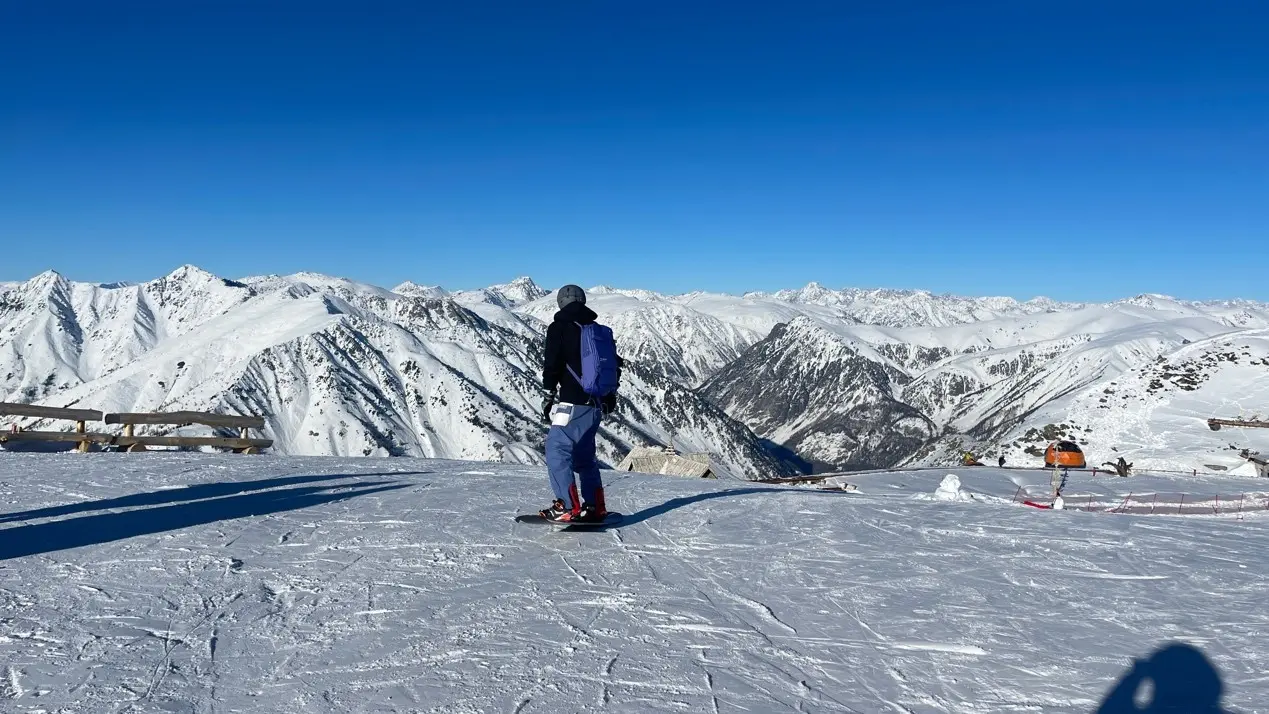
Terrain and Snow Conditions
Xinjiang’s continental climate delivers consistent cold, which keeps snow fluffy from December through March. Skiers appreciate the groomed boulevards; snowboarders love the open powder fields and natural halfpipes formed by wind. Check our best time to ski Xinjiang article for month-by-month snow and crowd data before locking in dates. January often brings the deepest snow but also the fiercest cold, while March offers soft spring conditions and thinner crowds.
Common Mistakes First-Timers Make
The most frequent errors are wearing rented boots that are too loose, skiing tired after a long flight, and skipping the lesson to save money. Loose boots destroy control; fatigue causes falls; and unguided learning ingrains habits that take weeks to unlearn. Dress in layers rather than one heavy coat, because you will heat up fast on the slopes and cool down on the lift. Finally, respect the colour-coded run system — green means easy, and there is no shame in staying on it.
Matching the Sport to Your Goal
Think about what you want from the trip. If your aim is to tour wide, scenic trails with your partner at a relaxed pace, skis are the pragmatic pick. If you crave the feeling of surfing a powder field and don’t mind a bruised backside while learning, snowboarding delivers more character per run. Many travellers ultimately try both across multiple Xinjiang visits, so treat the first choice as a starting point rather than a lifetime commitment.
Staying Safe as a First-Timer
New riders of both kinds underestimate the sun, the cold, and the altitude. Wear sunscreen, hydrate, and respect closure signs. Our Xinjiang ski safety guide walks through common beginner injuries and how to avoid them. A small backpack with water, a snack, and a lip balm keeps you comfortable, and a fully charged phone is essential if you stray from the marked areas.
How does cold snow change the first days on skis or a board?
Xinjiang snow is dry and fast, unlike the damp snow many beginners learn on. Edges grip less at very low temperatures, so turns slide sideways until you weight them properly. Skis make the first two days easier: two edges and two poles give a beginner more balance. A board catches up once you can link turns without scraping the base.
Cold affects equipment as much as technique. Wax designed for warm snow feels sticky here, so ask the rental shop what they use for the temperature range. Boots stiffen in the cold, which makes buckling and lacing slower; do it inside before you step out. Cold fingers also make tiny adjustments harder, so keep hands warm while you fasten bindings. On the learning side, beginner terrain is the great equalizer. A gentle slope lets a snowboarder practise falls and a skier practise a wedge without either getting into trouble. Compare the two honestly with our beginner skiing notes before you decide. Neither choice is wrong, but the first morning feels different: skiers usually stand sooner, while boarders spend more time on the snow. Budget for that difference in patience rather than treating it as a failure. By day three most people are too busy enjoying the mountain to care which one they picked.
- Cold snow: faster, less grip, more wax attention.
- Skis: quicker balance in the first sessions.
- Board: slower start, strong once turns link.
What should I confirm before booking a beginner lesson package?
Lesson packages look alike online but differ in the details. Ask how many hours are actually on snow, how many beginners share an instructor, and whether lift tickets and rental are separate. Confirm the meeting point and the language of instruction before paying. Those answers tell you more than the headline price.
A good first lesson is built on continuity. Three short sessions across three days usually beat one long block, because sleep and review do as much as instruction. Ask whether the same instructor stays with your group, and whether there is a clear progression from the magic carpet to a real lift. Check what happens if weather closes the beginner area: a package that can move to another zone is worth more than one that simply expires. Our notes on learn-to-ski packages explain how to read the inclusions. Bring your own questions to the first morning and write the answers down, since cold hands make note-taking awkward later. If one member of the group is much stronger, ask about splitting the session so nobody spends the day waiting. Clarity at the booking stage prevents the two most common complaints: an unexpected extra charge and a group too large for real feedback.
Frequently Asked Questions
Is skiing or snowboarding easier for a complete beginner in Xinjiang?
Most people learn the basics of skiing a little faster in the first couple of days because each leg moves independently. Snowboarding feels awkward initially but progresses quickly once balance clicks. Either way, Xinjiang’s gentle beginner zones and dry snow make both approachable.
Can I switch between skis and snowboard during my trip?
Yes. Rental shops across major resorts let you swap equipment daily, so you can sample both. Just budget for two separate lesson orientations if you change mid-week.
Which is better for powder in Xinjiang?
Snowboarding shines in deep, dry Xinjiang powder thanks to a single wide board and natural float. Skiers can also enjoy powder on wider all-mountain skis, especially off-piste near the Altai range.
Do I need my own gear as a beginner?
No. Renting is cheaper and more flexible for a first trip. Resort rental fleets are modern and well maintained, with boots and boards sized for international visitors.
Will language be a barrier for lessons?
Top beginner resorts near Urumqi and Altay offer English-speaking instructors. Booking ahead through your hotel or a tour desk secures a spot during peak winter weeks.
Do I need my own gear for a first lesson?
No. Beginner packages include rental, and it is smarter to rent until you know which sport you prefer. Fit the boots carefully and tell the shop if anything hurts; a sore foot ends a lesson faster than a fall does. Bring warm socks and a spare pair of gloves, since those are the items you will be glad you owned.
Will the cold make it harder to learn as an adult?
Cold makes everything slower, including learning, but it is manageable with the right layers and short sessions. Dress for less movement than you expect, take warm-up breaks, and do not push a long day in deep cold. Most adults progress steadily when the first sessions are short and the terrain stays gentle.