

Skiing in Xinjiang is only half the story. When the last chair stops turning and the light over the Altai range fades to a cold blue, a different kind of travel begins. Apres-ski here is not the champagne-and-DJ circus of the Alps. It is quieter, warmer and far more rooted in place: lamb roasting over coals, sweet milk tea in a steamy canteen, a hot pool under falling snow, and long conversations with people who have skied these mountains their whole lives. For many visitors, these evenings end up being the memories that last longest.
This guide walks through what apres-ski actually looks like across Xinjiang’s main ski regions, what it costs, how to find the good places, and how to pace an evening so you still ski well the next morning. If you are still planning the trip itself, start with our broader Xinjiang skiing guide and then come back to fill in the evenings.
What Apres-Ski Means in Xinjiang
The word carries Alpine baggage, so it helps to reset expectations. Xinjiang’s ski regions are spread across a huge, thinly populated territory. Resort bases are compact, nightlife is modest, and most venues close earlier than Western skiers expect. What you gain in exchange is authenticity and price. A full sit-down dinner with grilled meat, hand-pulled noodles and tea often costs less than a single cocktail at a European resort.
Broadly, apres-ski in Xinjiang falls into four categories:
- Food-led evenings. The default and the best. Long meals built around lamb, noodles, bread and tea.
- Warmth-led evenings. Hot springs, saunas, heated pools and steam rooms — genuinely restorative after a cold day.
- Culture-led evenings. Kazakh and Uyghur music, dance performances, small museums and village visits near the resort bases.
- Quiet evenings. Reading, stargazing, snow walks and early nights. Underrated, and often the smartest choice mid-trip.
Region by Region: Where the Evenings Are Best
Altay and the Northern Resorts
The Altay region is Xinjiang’s skiing heartland, and its apres-ski leans rural and hearty. Resort bases here cluster around small towns and villages, which means most evening options are family-run restaurants rather than resort-owned bars. Expect wood stoves, thick felt door curtains and menus that barely change from year to year.
The signature experience is a slow lamb dinner. Whole-roast lamb needs to be ordered hours ahead and is usually priced for a group, but smaller versions — skewers, ribs, shoulder — are available on the spot. Pair it with nang flatbread straight from the clay oven and endless pots of milk tea. Many places will happily push tables together if you have made friends on the lift.
Altay evenings are also the best place to encounter traditional fur-skinned skis, still made and used in some villages. Several guesthouses arrange informal demonstrations, and a few will let you try a pair on a gentle slope by lantern light. It is slow, awkward and completely charming.
Urumqi and the Nearby Resorts
Resorts within reach of Urumqi offer the widest variety of apres-ski simply because the city is close. You can ski until the lifts close, drive back down and be sitting in a proper restaurant within an hour. This makes the Urumqi cluster a good base for travellers who want real evening choice without committing to a remote village.
Options here span everything from night markets and grill streets to hotel bars, coffee shops with decent espresso, and large bathhouse complexes. Some resorts also run night skiing, which reshapes the evening entirely — you eat late, ski under lights, then eat again. If you are weighing where to base yourself, our overview of Xinjiang ski resorts compares the trade-offs between city-adjacent and remote bases.
Silk Road and Tianshan Resorts
Resorts along the Tianshan corridor tend to have the most developed on-site facilities: hotel restaurants, hot pools, small shopping arcades and organised evening entertainment. This is the most convenient option if you are travelling with family or with people who do not ski, because everything sits within walking distance of your room.
The trade-off is that these bases can feel enclosed. If you want to eat somewhere with local character, plan a taxi ride to a nearby town at least once during your stay. Ask the front desk to write the destination in Chinese and arrange a return pickup time.
The Food: What to Order
Xinjiang’s cuisine is arguably the best reason to ski here. After a cold day, the regional staples hit exactly right. A short ordering list that rarely fails:
- Lamb skewers (kawap). Cumin, chilli, charcoal. Order more than you think you need.
- Dapanji. Big-plate chicken with potatoes and peppers, usually finished with wide belt noodles soaked in the sauce. Ideal for groups.
- Laghman. Hand-pulled noodles with stir-fried lamb and vegetables. The single most reliable one-person dinner.
- Nang. Baked flatbread, sold everywhere, perfect for mopping sauce or stashing in a jacket pocket for tomorrow’s lift queue.
- Samsa. Baked lamb pastries. Dangerous. You will eat four.
- Milk tea. Salted or sweet depending on the region. Order a pot and let it sit on the table all evening.
Portions are generous and sharing is the norm. Two or three dishes usually feed three or four skiers. For a deeper look at regional dishes, where to find them and how to order without Chinese, see our Xinjiang ski food guide.
Hot Springs, Saunas and Recovery
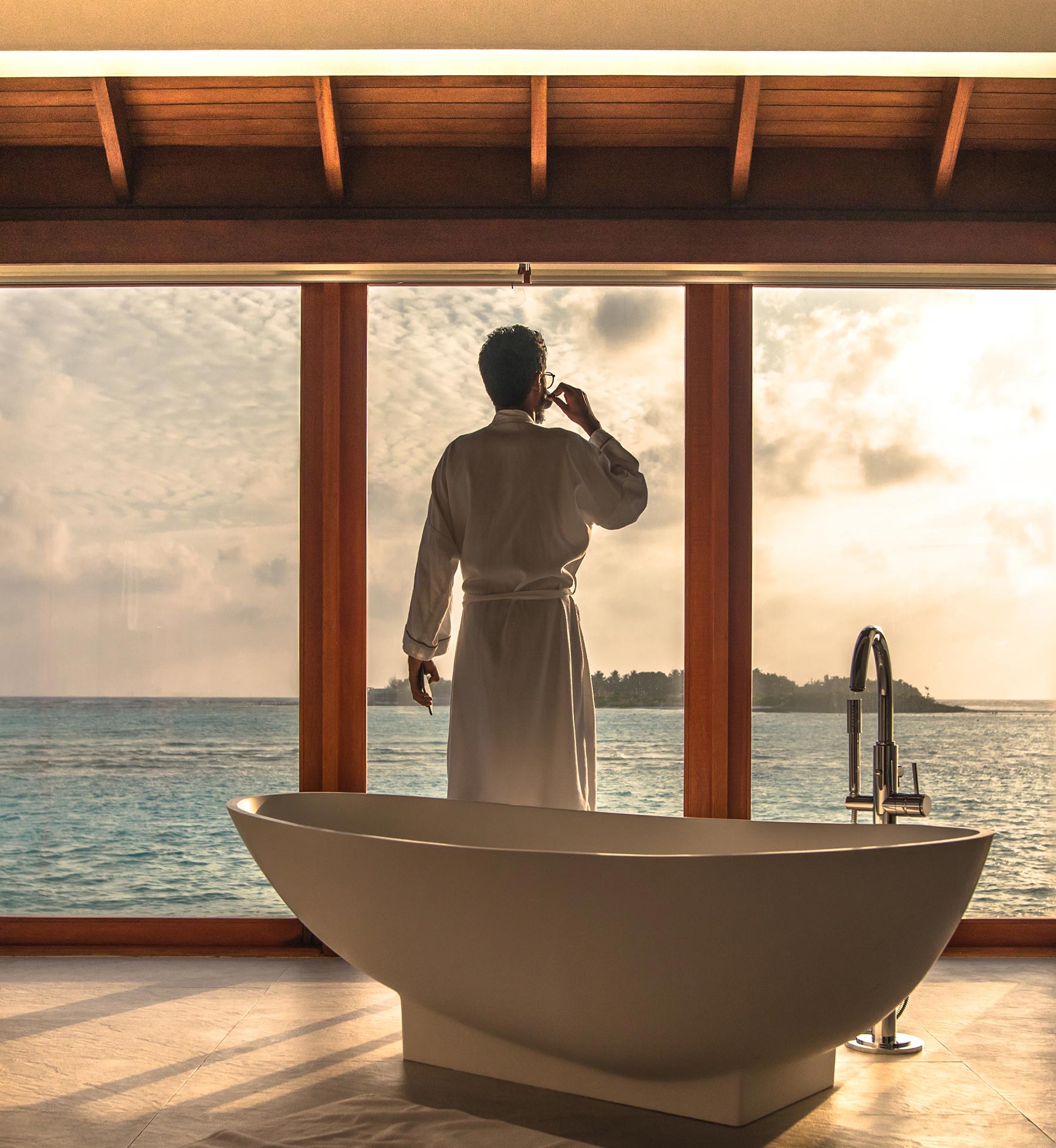
Cold, dry air and long days on snow take a toll. Xinjiang has a real hot spring culture, and several ski areas sit within reach of geothermal facilities. Larger resorts often include a pool, sauna or steam room in the room rate, while independent bathhouses charge a modest entry fee for several hours of access.
A few practical notes:
- Bathhouses are usually gender-separated, and swimwear rules vary. Ask at reception before undressing.
- Bring your own flip-flops and a small towel; rentals exist but quality varies.
- Hydrate before and after. Altitude plus heat plus dry air is a fast route to a headache.
- Avoid long hot soaks immediately after a heavy meal or if you have been drinking.
Even without a hot spring, simple recovery habits pay off: a hot shower, twenty minutes of stretching, dry base layers and a genuinely early night. Skiers who do this consistently ski better on day three than those who go hard every evening.
Culture and Nightlife
Live music and dance are woven into social life across Xinjiang, and some resorts host evening performances during the peak season. These range from polished stage shows to spontaneous playing at a guesthouse table. The informal versions are almost always better. If someone brings out a dombra, stay.
Bars in the Western sense are limited outside Urumqi. Alcohol is available at most restaurants and hotels, but drinking culture is centred on meals rather than standalone venues. Be mindful that Xinjiang is a religiously diverse region; not everyone drinks, and it is polite to follow the lead of your hosts rather than pushing rounds.
Budgeting Your Evenings
Apres-ski is where Xinjiang quietly beats almost every international ski destination on value. Rough per-person guidance for an evening:
- Street food and skewers: modest, and easily the best value meal of the day.
- Sit-down restaurant dinner with shared dishes: still well below Alpine or Japanese resort pricing.
- Bathhouse or hot spring entry: comparable to a couple of coffees back home.
- Hotel bar drinks: the one category where prices climb toward international levels.
Carry some cash for small villages, though mobile payment is dominant almost everywhere. Lift and package pricing is a separate question — our guide to Xinjiang ski lift tickets covers how daytime costs stack up.
Pacing an Evening So You Still Ski Well Tomorrow
The classic mistake is treating every night like the last night. Xinjiang trips are typically five to ten days, often with long transfers and high-altitude terrain. A sustainable rhythm looks something like this:
- Arrival night: keep it simple. Eat well, sleep early, let your body adjust to the altitude and the cold.
- Mid-trip: alternate. One social evening, one quiet evening. Book the hot spring on the day after your hardest skiing.
- Big powder day forecast: eat early, skip the second round, be on the first lift.
- Final night: this is the one to go long. Order the lamb, stay for the music.
Timing also depends on when you visit. Deep winter brings the best snow but brutal cold and very short daylight, which pushes everything earlier. Late season offers longer evenings and softer weather. Our breakdown of the best time to ski Xinjiang explains how the season shapes both the skiing and the evenings.
Practical Tips
- Eat earlier than you would at home. Many kitchens wind down well before midnight, especially in villages.
- Book group meals ahead. Whole lamb, hotpot and larger tables usually need a few hours’ notice.
- Use a translation app with photo mode. It handles handwritten menus surprisingly well.
- Dress for the walk, not the room. Restaurants are hot; the fifty metres between the door and the taxi are not.
- Ask staff and instructors. The best places are rarely the ones with English signage.
- Respect local customs. Remove shoes where indicated, accept tea when offered, and ask before photographing people.
If you are combining Xinjiang with skiing elsewhere in the country, or planning a shorter escape, our notes on planning a China ski weekend trip cover how to compress all of this into two days without it feeling rushed.
Frequently Asked Questions
Is there real nightlife at Xinjiang ski resorts?
Not in the Alpine sense. Outside Urumqi, evenings revolve around food, hot springs and informal socialising rather than bars and clubs. Most venues close relatively early. Travellers who arrive expecting a party scene are usually disappointed; those who arrive expecting long, warm dinners rarely are.
Can I find vegetarian food after skiing?
It is possible but requires effort, since the cuisine is heavily lamb-based. Noodle dishes, vegetable stir-fries, flatbread, dumplings and cold salads are widely available. Learn the phrase for “no meat” in Chinese, or save it on your phone, because “vegetarian” is often interpreted loosely.
How much should I budget per evening?
Considerably less than at comparable international resorts. A generous shared dinner, tea and a bathhouse visit typically costs a fraction of an Alpine equivalent. Hotel bars are the main exception where prices approach international levels.
Are hot springs available at every ski resort?
No. Some resorts have on-site pools or saunas, others rely on facilities in nearby towns, and remote village bases may have neither. Check before booking if recovery facilities matter to you, and confirm opening hours during peak season.
Is it safe to walk around resort towns at night?
Generally yes. The bigger practical risks are cold and ice rather than anything else. Wear grippy boots, carry a headtorch in villages with limited street lighting, and be aware that temperatures drop sharply once the sun goes down.