

China’s ski regions are as varied as its landscapes, and for anyone who loves shooting winter scenery, the country offers far more than groomed pistes. From birch-forest powder in the far west to volcanic craters in the northeast and sleek modern resorts near Beijing, there is a lot to photograph. This guide highlights the most photogenic ski resorts in China, explains what makes each one special for the camera, and shares practical tips for capturing sharp, well-lit images in freezing conditions.
What Makes a Ski Resort Photogenic
Great ski photography is about more than a pretty mountain. The most rewarding resorts combine dramatic terrain with distinctive foreground elements — forests, frozen lakes, traditional architecture or unusual light. Consistent snow cover matters too, because a thin or patchy base rarely photographs well. Finally, accessibility to a good vantage point counts: the best images often come from a gondola mid-station, a ridge above the treeline, or a quiet corner of the resort where you can frame skiers against clean scenery. Keep these factors in mind and almost any destination becomes a better shoot.
If you are still deciding where to base yourself, the broader China skiing guide compares the main regions by terrain and season, which helps you match a destination to the kind of images you want.
The Most Photogenic Ski Regions in China
Four regions stand out for winter photography, each with a completely different visual character.
Altay and Kanas, Xinjiang
The far west of China is arguably its most photogenic winter region. The Altay mountains hold deep, dry powder and are ringed by silver birch forests that glow at sunrise and sunset. Frozen rivers, snow-laden villages and long, low winter light give this area a painterly quality that is hard to match elsewhere. Photographers should explore the wider Xinjiang ski resorts for access to both powder terrain and traditional mountain settlements. For golden-hour framing, the guide to sunset viewpoints at Xinjiang resorts maps out where the best light lands.
Changbaishan, Jilin
On the border with the Korean peninsula, Changbaishan pairs skiing with one of China’s most striking natural features: a volcanic crater lake ringed by snow. The scenery here is bold and geological, with steep white ridgelines and steaming hot springs adding atmosphere. Cloud and mist roll through frequently, which can either ruin or transform a shot, so patience pays off. The resort’s forested lower slopes also offer softer, more intimate compositions when the summit is socked in.
Chongli and Zhangjiakou
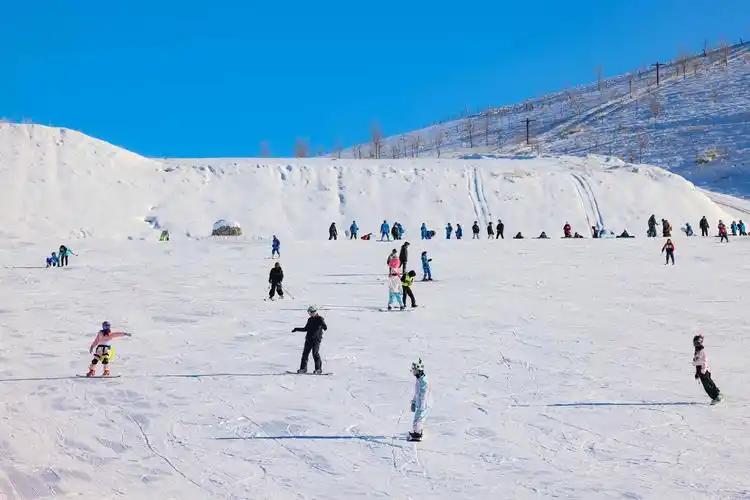
Near Beijing, the Chongli resorts offer a cleaner, more modern aesthetic: wide corduroy pistes, contemporary architecture and busy slopes full of colour. This is the place for dynamic action shots of skiers and snowboarders rather than wilderness solitude. The consistent grooming and reliable snowmaking mean you can plan a shoot around predictable conditions, and the high-speed rail access makes it easy to combine with a short trip. Many visitors fold a photo session into their weekend ski trips in China here.
Harbin and the Northeast
The northeast is famous for its ice and snow culture, and while Harbin itself is better known for its ice festival, the surrounding resorts sit in a landscape of frozen plains and frosted forests. Extreme cold produces crisp air and heavy rime ice on trees, creating surreal white scenes. Pair a ski day with an evening in the city to capture the illuminated ice sculptures, and you have a two-part winter photo story.
Best Times of Day for Ski Photography
Light is everything in winter. The hour after sunrise and the hour before sunset — the classic golden hours — bathe snow in warm tones and cast long, sculptural shadows that reveal texture in the terrain. Midday sun, by contrast, flattens the scene and blows out highlights on bright snow. If you must shoot at midday, look for shaded slopes, tree cover or skiers moving through pockets of contrast. Overcast days are not wasted either: soft, even light is flattering for portraits and detail shots, and moody grey skies can add drama to a summit ridge.
Gear and Settings That Work in the Cold
Cold weather is hard on equipment and photographers alike. A few practical habits make a big difference:
- Carry spare batteries and keep them warm in an inside pocket, because cold drains them fast.
- Expose for the snow. Cameras tend to underexpose bright scenes, so dial in positive exposure compensation to keep snow white rather than grey.
- Avoid condensation by letting your gear warm up gradually inside a sealed bag when you come indoors.
- Protect your hands with thin liner gloves so you can operate controls without exposing bare skin.
- Use a lens hood to cut glare from sun bouncing off the snow.
A wide-angle lens captures sweeping mountain vistas, while a short telephoto compresses distant peaks and isolates skiers against clean backgrounds. You rarely need a heavy kit — one versatile zoom covers most situations on the slopes.
Composition Ideas for Ski Scenes
Strong ski images usually rely on a few reliable compositional tricks. Use the slope’s fall line or a lift cable as a leading line to draw the eye toward a skier or a distant peak. Place a lone figure in a wide frame to convey the scale of the mountains, or fill the frame with motion — a spray of powder, a carving turn — for energy. Layering matters too: a snowy branch or fence in the foreground, skiers in the middle ground and peaks behind creates depth that flat snowfields often lack. Shooting from a low angle exaggerates a jump or a steep pitch, while a high vantage from a gondola turns the piste into a graphic pattern of tracks. Vary your orientation as well, since sweeping ranges suit landscape framing but a single skier against a big sky can be more striking in portrait.
Etiquette and Safety When Shooting on Slopes
Photographing on a working ski hill comes with responsibilities. Never stop to shoot in the middle of a run or below a blind rise where faster skiers cannot see you. Move to the edge of the piste, stay visible, and keep your gear secured so nothing drops onto the slope. Ask permission before photographing individuals up close, and respect any signage or restricted areas. If you plan to venture off marked runs for a wilderness shot, understand the avalanche and cold-exposure risks first — the scenery is never worth an accident.
For trip planning that combines the best scenery with practical logistics, cross-reference the resort options in the 2026 China ski resorts map before you book.
Frequently Asked Questions
Which ski resort in China is the most photogenic?
The Altay region of Xinjiang is widely considered the most photogenic, thanks to its deep powder, birch forests and exceptional winter light. Changbaishan in Jilin is a close rival for its volcanic crater scenery.
What is the best time of day to photograph ski slopes?
The golden hours just after sunrise and before sunset give the warmest light and the best texture on snow. Overcast days are ideal for portraits and detail shots, while harsh midday sun is the hardest to work with.
Do I need professional gear to get good ski photos?
No. A single versatile zoom lens, spare batteries kept warm, and correct exposure for bright snow will produce excellent results. Technique and timing matter far more than an expensive kit in winter conditions.
Is it safe to take photos on the ski slopes?
It can be, as long as you stop only at the edge of runs, stay visible to other skiers, and never linger below blind rises. Avoid off-piste areas unless you understand the avalanche risk, and always prioritise safety over a shot.