

When foreign skiers talk about winter in China, the conversation usually jumps straight to the deep powder of Xinjiang or the Olympic-grade slopes of the Northeast. Yet squeezed between those two giants lies a band of high, dry, and genuinely underrated terrain in Gansu and Qinghai. If you are planning a broader China ski trip and want something quieter, cheaper, and far less crowded than the headline resorts, exploring China’s regional ski map will quickly show why the Northwest deserves a slot. This guide covers what the Gansu and Qinghai ski scene actually offers, how the geography shapes the snow, how to get there from Lanzhou and Xining, what to expect on the mountain, and honestly who these areas suit best.
The Geography That Makes the Snow
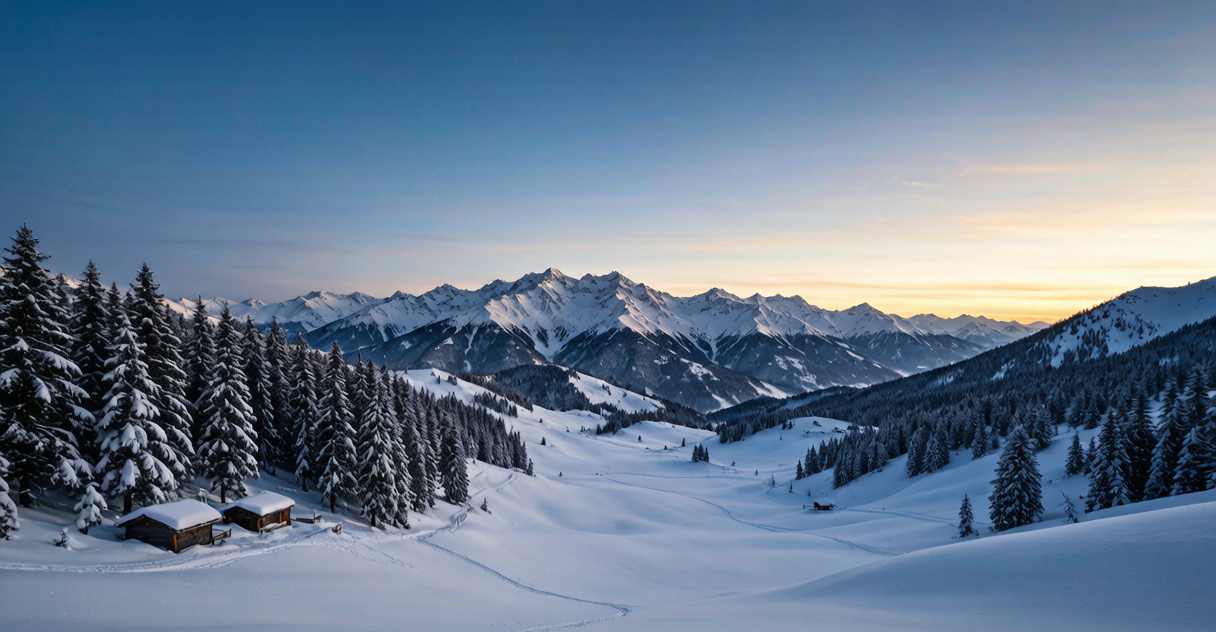
Gansu and Qinghai sit on the edge of the Tibetan Plateau, where the climate turns continental and arid. That matters more than you might think. Unlike the humid coastal resorts of the East, the Northwest sees cold, dry air that produces light, low-moisture snow rather than the heavy, sticky stuff found elsewhere. The result is a powder experience that, while on a smaller scale than skiing in Xinjiang, feels remarkably clean and forgiving underfoot. Altitude is the other defining factor: many of these areas sit well above 2,500 metres, which delivers long, cold seasons but also demands respect for elevation, sun exposure, and hydration. The thin air also means fatigue arrives sooner than at low-elevation hills, so pacing your first day matters.
Where the Slopes Actually Are
The hubs are simple to understand. Gansu’s ski development clusters around Lanzhou, the provincial capital, with several mid-sized resorts within a two-to-three-hour drive that serve the city’s growing weekend crowd. Qinghai’s scene is anchored near Xining, the gateway to the plateau, where a handful of resorts combine ski terrain with Tibetan-highland scenery that you will not find anywhere else in China. Neither region markets itself heavily to international visitors, which is precisely the appeal: you ski among locals, not tour groups, and the slopes rarely feel packed even on public holidays. The trade-off is that signage, apps, and staff may assume you speak Chinese, so a translation tool earns its place in your pocket.
Access From Lanzhou and Xining
Both cities are genuine transport nodes. Lanzhou and Xining sit on major high-speed rail lines, making them easy to reach from Xi’an, Lhasa, or Chengdu, and both have airports with domestic connections. From the city centres, resorts are reached by shuttle, hired car, or the occasional resort-run bus during peak weekends. If you are building a multi-region itinerary, pairing the Northwest with neighbouring areas is straightforward: Tibet and Sichuan ski routes plug into the same rail and air network, letting you sample several high-altitude regions in one trip without backtracking. Staying in the city and day-tripping to the slopes is almost always cheaper and more flexible than sleeping on-mountain.
Resort Culture and What to Expect On-Mountain
Do not arrive expecting alpine chalets and espresso bars. The Northwest’s resorts are pragmatic, Chinese-style winter parks: efficient if basic, with heated lodges, noodle stalls, rental counters, and a strong local family-and-student crowd. Lifts are typically fixed-grip chairs and magic carpets rather than high-speed bubbles, so expect slower laps and more conversation in the queue. The upside is atmosphere: these are working resorts for working people, and the energy on a sunny weekend is genuinely fun. You will see more snow play, more first-timers, and more group photos than at the polished destination resorts, which many travellers find refreshing rather than limiting.
Best Time to Visit and Weather
The season generally opens in late November or early December and runs through February, with higher slopes sometimes lasting into March. Because the Northwest depends on natural cold rather than massive snowmaking, the most reliable cover sits on north-facing and upper runs. January is coldest and driest, ideal for the lightest powder but harsh on exposed skin, so layer aggressively and pack real goggles. February blends good snow with longer daylight, making it the sweet spot for many visitors. Midweek is dramatically quieter than weekends, when city clubs and families flood in, so if your schedule allows, aim for a Tuesday or Wednesday.
Who Gansu and Qinghai Suit Best
Be clear about the trade-offs. These are not destination resorts with guaranteed world-class infrastructure. The lifts are fewer, the grooming is lighter, and English signage is rare. They are best for confident intermediate skiers who want mellow cruising, for budget-conscious travellers who find the famous resorts expensive, and for anyone chasing a quieter, more authentic slice of Chinese winter life. Beginners are welcome but should lower expectations on instruction quality compared with the polished schools described in our Sichuan skiing overview, where resort standards run higher. If your priority is progression with strong coaching, pair a Northwest visit with a better-resourced region.
The Honest Limits
Two cautions worth stating plainly. First, altitude: at 2,500 metres and above, first-day exertion will tire you faster, and hangovers hit harder. Second, season reliability: because these areas depend on natural cold rather than massive snowmaking, a warm spell can thin the cover on lower runs. Travellers who want a backed-up, climate-controlled option should also read our Yunnan skiing guide, where indoor and high-mountain resorts soften those risks. The Northwest rewards flexibility, not fixed plans, and a willingness to shift dates around the weather pays off.
Planning a Northwest Ski Stop
If you do add Gansu or Qinghai to a China ski route, keep the logistics lean. Book accommodation in the city rather than on-mountain, rent gear locally, and treat the resort as a day trip. Carry cash for small vendors, download offline maps before you lose signal, and confirm opening dates in late November or early December, when seasons begin. For a full picture of getting around the country’s winter regions, our China ski transport guide lays out rail, air, and road options end to end, and helps you chain the Northwest together with the rest of the map without wasted travel days.
Frequently Asked Questions
Is skiing in Gansu and Qinghai good for beginners?
It can work, but beginners should expect limited English instruction and basic rentals. The gentle, uncrowded slopes are a plus, yet first-timers may prefer a resort with stronger ski schools if they want rapid progress.
What is the ski season in the Northwest?
Most areas open in late November or early December and run through February, with some high slopes lasting into March. Cold, dry winters keep the season stable, though lower runs depend on natural snow.
How do I get to the resorts from Lanzhou or Xining?
Both cities have high-speed rail and airports. From there, resorts are reached by shuttle, hired car, or occasional resort buses on busy weekends. Staying in the city and day-tripping is the easiest approach.
Is the altitude a problem for skiing here?
Many areas exceed 2,500 metres. Most healthy visitors adapt within a day or two, but take the first runs easy, hydrate well, and avoid alcohol on arrival night to reduce altitude effects.
Are Gansu and Qinghai cheaper than Xinjiang or the Northeast?
Generally yes. Lift tickets, food, and lodging run lower than the marquee resorts, making the Northwest a strong budget option for longer stays or multi-region trips.
Can I combine this with Tibet or Sichuan skiing?
Yes. The same rail and air network links Lanzhou, Xining, Chengdu, and Lhasa, so a single itinerary can sample several high-altitude regions without major backtracking.