

Skiing in China is an unforgettable experience, but first-timers often repeat the same avoidable errors that turn a great day into a sore, expensive one. From wearing the wrong clothes to ignoring slope etiquette, these mistakes are easy to make and just as easy to prevent. This guide walks through the most common beginner pitfalls when skiing in China and gives you simple fixes so your first trips are safe, fun, and confidence-building.
Mistake 1: Skipping the Lesson
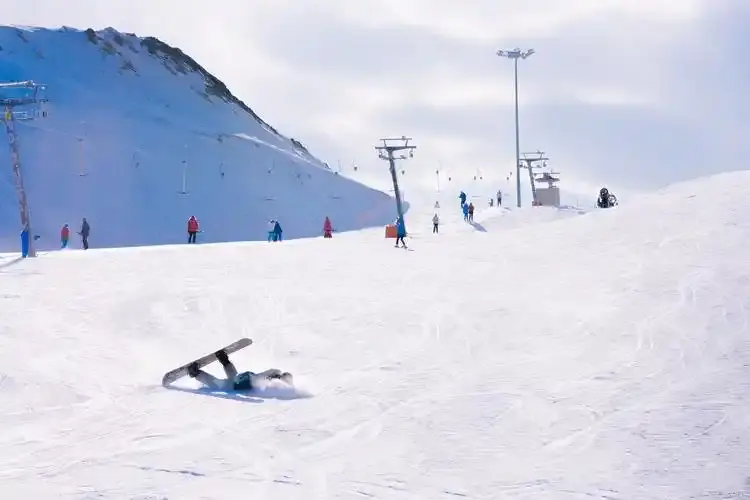
The single biggest error is hitting the slopes cold without any instruction. China’s resorts are busy and the beginner zones fill quickly, so learning on your own leads to bad habits and risky falls. A short group lesson teaches you how to stop and turn safely. If you are just starting out, our China skiing for beginners primer explains what to expect before you even rent gear.
Mistake 2: Wearing the Wrong Clothes
Many newcomers arrive in jeans and a single jacket, then freeze within an hour. Skiing means long static lifts and wind chill, so you need waterproof layers, gloves, and goggles. Cotton gets wet and stays wet. Dress in breathable, insulated layers and pack a spare pair of socks. Northern resorts like those in Xinjiang and Heilongjiang are far colder than visitors expect. A neck gaiter and a spare dry pair of gloves stashed in your pocket make the difference between a tolerable afternoon and an early retreat to the lodge.
Mistake 3: Ignoring Slope Etiquette
Chinese resorts have clear but sometimes unspoken rules about right of way and queuing for lifts. The skier below you on the slope has priority, and cutting across crowded beginner areas causes collisions. A little awareness goes a long way, and our China ski resort etiquette guide covers the habits that keep you safe and welcomed by locals.
Mistake 4: Renting Poorly Fitted Gear
Beginners often accept whatever boots the rental shop hands over without checking the fit. Boots that are too loose or too tight ruin a day and invite injury. Take time at the rental counter to walk around, and ask the staff to adjust. Ill-fitted skis that are too long make turning harder than it should be for a newcomer.
A good rule is to size boots snug, not roomy; your heel should stay planted when you flex forward. Poles should reach about waist height with the basket on the floor. If something feels wrong after the first run, return to the rental desk rather than gritting through it. A ten-minute refit prevents a day of blisters and sore shins, and most resorts are happy to swap equipment during the same rental period.
Mistake 5: Underestimating Altitude and Sun
Several top Chinese resorts sit at high elevation where the air is thin and the sun reflects off snow. Dehydration and sunburn sneak up fast. Drink water, apply sunscreen, and ease off if you feel light-headed. Altitude also tires beginners sooner, so plan shorter first sessions rather than pushing through exhaustion.
Snow glare is stronger than most newcomers expect, and a red, burning face by midday is a common first-trip souvenir. Reapply sunscreen through the day, wear UV-blocking goggles, and consider lip balm with protection. If you arrive from sea level, give yourself a day to acclimatise before skiing hard, especially at the highest resorts. Listening to your body here prevents headaches and ruined plans far more effectively than pushing for one extra run.
Mistake 6: Choosing the Wrong Resort
Not every mountain suits a first-timer. Some resorts cater to advanced freeriders with limited gentle terrain. Picking a beginner-friendly destination with wide, groomed slopes makes learning far smoother. Our roundup of the best ski resorts in China flags which ones welcome newcomers and which are better saved for later.
Mistake 7: Forgetting Snow and Weather Checks
Conditions change daily, and icy or wind-closed lifts can reshape your plan. Check the forecast and resort status each morning. Understanding China ski snow conditions helps you pick the right layers and the right slopes, and tells you when it is smarter to take a lesson indoors than battle a storm outside.
How Foreign Visitors Can Prepare
International skiers face extra friction: language at rental counters, payment apps, and unfamiliar signage. Booking lessons with English-speaking coaches and arranging transport in advance removes most stress. Foreigners will also benefit from reading about skiing in China for foreigners so the paperwork and practicalities are sorted before arrival.
Mistake 8: Skipping Warm-Ups and Rest
Cold muscles injure easily. Many beginners step off the bus and straight onto the snow without loosening up, then wonder why their knees ache by lunch. Spend five minutes stretching hips, calves, and quads before your first run, and take real breaks instead of powering through. Fatigue is when technique collapses and falls happen. A rested skier learns faster than an exhausted one.
Building Confidence After the First Trip
The mistakes above feel obvious in hindsight, but they compound when ignored. The good news is that China’s ski scene is growing fast, with better rentals, more English support, and safer beginner zones every season. After your first trip, note what tripped you up and target it next time, whether that is a dedicated lesson on turning or simply packing the right gloves. Progress is incremental, and every corrected mistake buys you a longer, happier day on the mountain.
Choosing when to go also shapes the experience. Shoulder-season snow is often excellent and the slopes are quiet, which is ideal for practising without pressure. Understanding the China ski season helps you time visits around both good conditions and smaller crowds, letting you reinforce skills instead of fighting for space.
Frequently Asked Questions
Is skiing in China difficult for first-timers?
Not at all, provided you choose a beginner-friendly resort and take at least one lesson. The main challenge is preparation: right clothing, fitted gear, and a basic understanding of slope rules. Most newcomers are linking turns within a day or two.
Do I really need a lesson if I have skated or snowboarded?
Related skills help, but skiing uses different balance and edge control. A single lesson still prevents the most common falls and teaches resort-specific habits you cannot guess from other sports.
What is the biggest safety mistake beginners make?
Skiing too fast for their ability on crowded beginner slopes. Control your speed, keep to designated zones, and respect the right of way. Most injuries happen when overeager newcomers lose control near lift queues.
Are Chinese ski resorts foreigner-friendly?
The major resorts are increasingly used to international guests, with English signage in key areas and bilingual instructors at bigger mountains. Smaller regional hills may have less English support, so plan accordingly.
How should I dress if I have never skied before?
Wear a waterproof jacket and pants, thermal base layers, gloves, goggles, and a hat. Avoid cotton. Rentals usually cover skis, boots, and poles, but clothing is typically your responsibility, so pack or buy proper gear.
Can I avoid crowds as a beginner?
Yes. Ski on weekday mornings, arrive early for first lifts, and use the designated beginner areas rather than the busy main runs. Avoiding peak holiday weeks is the single biggest crowd-reducing move.