

China’s ski map has changed fast. Two decades ago, most visitors skied within reach of Beijing. Today the north-west, led by Xinjiang, competes with the long-established north-east for serious powder and big-mountain terrain. If you are comparing China’s ski resorts, the choice comes down to snow quality, travel time, budget and the kind of slopes you want. This comparison sets Xinjiang against the other main regions so you can pick the right base for your trip, and points to a Xinjiang skiing plan when the west makes sense.
The Main Ski Regions of China
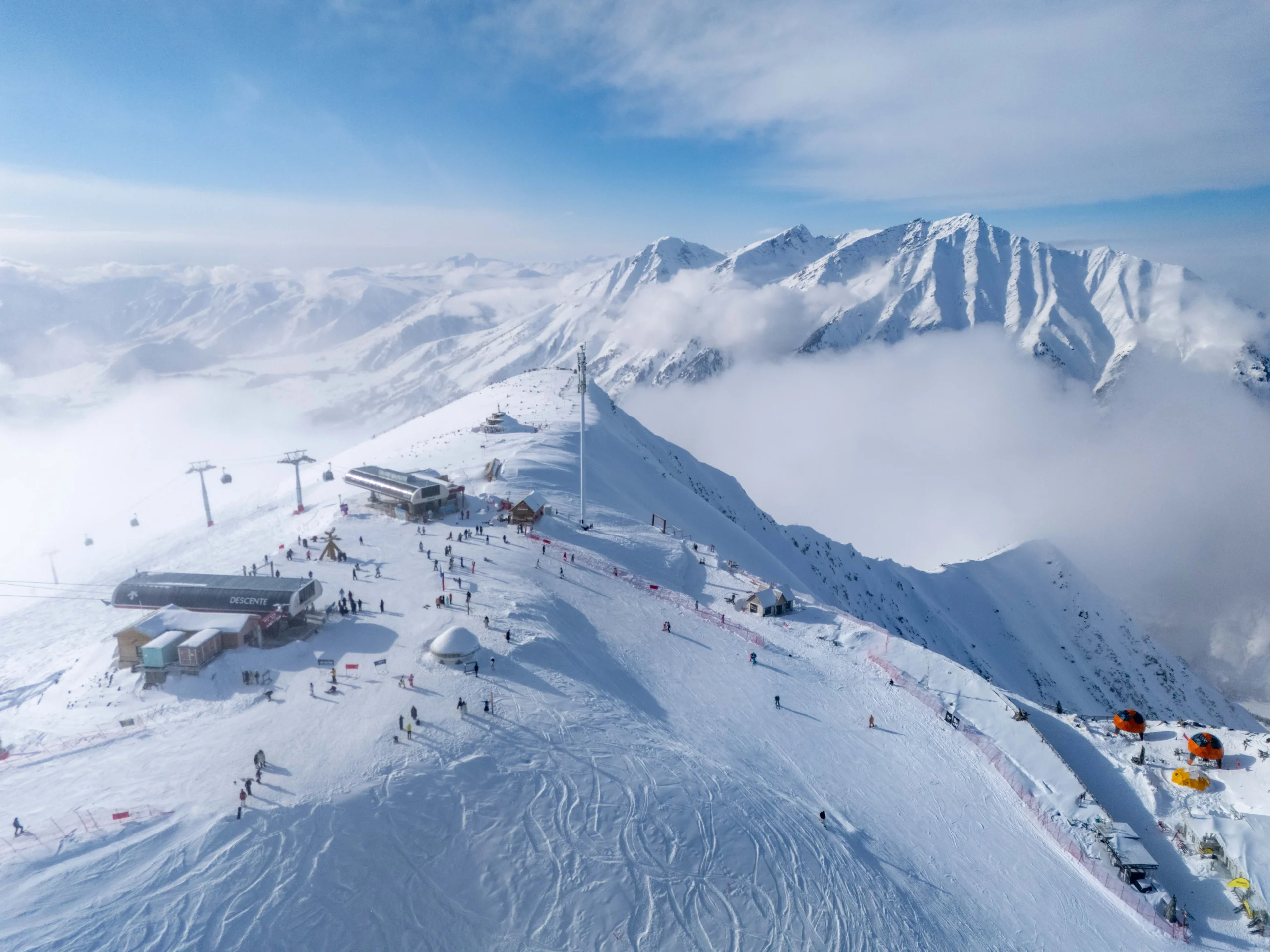
China’s resorts cluster into three broad zones. The north-east, around Harbin and Changbaishan, is the historic heart of Chinese skiing with cold, reliable snow and a strong local scene. The Beijing ring, including nearby Hebei slopes, wins on convenience for travellers already in the capital. Xinjiang, in the far north-west, offers the driest powder, the longest seasons and the most dramatic mountain scenery. Each region serves a different traveller, and the best pick depends on what you value most.
Beyond those three, smaller scenes are emerging in the north and west, from Inner Mongolia’s rolling hills to Sichuan’s high peaks, but they remain niche for international visitors. For a first China ski trip, the big three regions cover almost every need, and the differences below are the ones that actually change your holiday.
Xinjiang’s Edge
Xinjiang’s claim is snow. The Altay range catches cold, dry storms that produce light powder skiers travel far to find. Resorts such as those in our Xinjiang ski resorts guide combine that snow with modern lifts and short lift lines outside holiday peaks. For riders who want space and quality over nightlife, Xinjiang is hard to beat, and it frequently appears on lists of the best ski resorts in China for advanced terrain.
- Driest, lightest snow of the three regions.
- Longest season, often late November into March.
- Fewer crowds on non-holiday weeks.
- Big-mountain scenery and backcountry access nearby.
Northeast China and Beijing
The north-east, including Changbaishan, delivers dependable cold and a deep skiing culture, with volcano-backed views and family-friendly towns. Beijing-area resorts trade raw terrain for sheer convenience: you can ski a half-day and be back in the city for dinner. They suit beginners and business travellers, but slopes are smaller and weekends get busy.
The character of each zone shows up off the snow too. Northeast pairs skiing with ice festivals, lantern markets and hearty northern food, which makes it a fun winter break even for weak skiers. Beijing slopes plug into the capital’s museums, dining and transit, ideal if skiing is one item on a busy itinerary. Xinjiang trades that big-city buzz for open space, starlit skies and a slower mountain rhythm that many riders find addictive after a noisy city season.
How to Choose the Right Region
Start with your priority. Want the best snow and don’t mind a longer transfer? Xinjiang. Want to combine skiing with a city break and minimal travel? Beijing. Want a classic winter wonderland with hot springs and festivals? The north-east. Timing also matters, and our notes on the best time to ski Xinjiang help you line up weather and crowds across the west.
A practical way to decide is to rank three things: snow quality, convenience, and budget. Give each region a score out of ten for what matters to you, then pick the highest total. Most riders who love deep powder and quiet slopes land on Xinjiang; most first-timers passing through Beijing land on the capital’s hills; and most families wanting a festive winter break land in the north-east. There is no wrong answer, only the right fit for this particular trip.
Cost, Snow and Crowds at a Glance
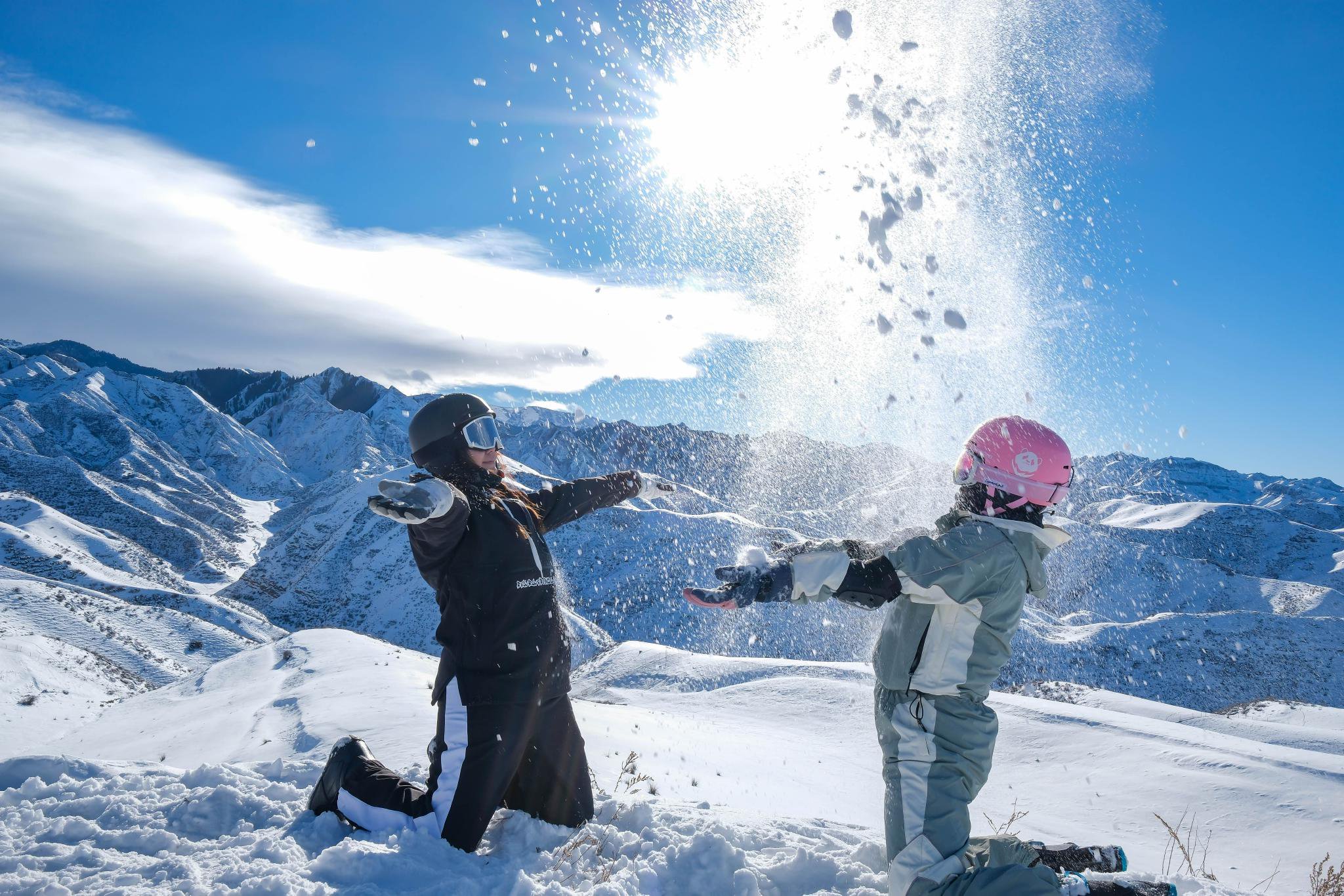
Budget follows region. Beijing slopes are cheapest to reach if you are already in the capital but pricier per run at peak. Northeast offers good value and strong snow. Xinjiang costs more in flights yet rewards you with quieter slopes and better snow, which many riders feel balances the fare. Crowds track holidays everywhere; travelling the week after a major festival is the simplest hack in all three zones.
When you compare lift tickets, Xinjiang and the northeast are broadly similar per day, while Beijing’s premium resorts can run higher for the convenience. Equipment rental is reasonable in all three, and lesson prices climb with demand in peak weeks. The real swing factor is transport and lodging: a Beijing ski day can be near-free if you are already there, while a Xinjiang week needs flights and a resort hotel. For a serious ski holiday rather than a quick taste, the west’s snow usually justifies the extra spend.
Terrain and Difficulty by Region
Terrain is where the regions diverge most. Beijing’s hills are short, gentle and ideal for first turns, with limited steep terrain. The northeast adds longer runs and tree skiing, plus a few punchy pitches for confident intermediates. Xinjiang is the only one of the three with genuine big-mountain character: long fall lines, open bowls, and side-country that tempts strong skiers. If your group mixes abilities, Xinjiang and the northeast both offer enough range to keep everyone happy, while Beijing suits a uniform beginner crew.
Getting There and Practical Logistics
Reach shapes the plan. Beijing is served by countless international flights and a fast train network, so its resorts are the easiest to bolt onto any China trip. The northeast needs a domestic flight or train from Beijing, then a transfer to the mountain. Xinjiang means flying into Urumqi or Altay and transferring again, so build a buffer day and book transfers in advance in peak weeks. All three accept foreign cards at larger resorts less often than visitors expect, so carry some cash and a widely accepted travel card, and confirm passport details match your booking for lift passes and lessons.
| Region | Snow | Convenience | Crowds |
|---|---|---|---|
| Xinjiang | Best (dry powder) | Longer transfer | Low off-peak |
| Northeast | Strong | Medium | Medium |
| Beijing ring | Man-made heavy | Highest | High on weekends |
Which Should You Book First
If this is your first China ski trip and you only have a week, start with the region that matches your home logistics: Beijing if you are already in the capital, Xinjiang if you want the trip of a lifetime, the north-east if you want a full winter festival. You can always return for the others, and each rewards a second visit once you know the rhythm of Chinese resorts.
Frequently Asked Questions
Which region has the best snow in China?
Xinjiang, especially the Altay range, generally has the driest and lightest natural snow, with a season that runs deepest from January to early February.
Is Xinjiang harder to reach than Beijing resorts?
Yes, flights are longer and transfers add time, but the trade-off is quieter slopes and better snow. Build an extra travel day into your plan.
Are Beijing resorts only for beginners?
Mostly, though some have decent intermediate terrain. They suit first trips and city breaks more than big-mountain riders.
When is the cheapest time to ski in China?
Early season in late November and the weeks right after major holiday peaks usually bring the best prices and shortest lines.
Can I ski more than one region in one trip?
It is possible but adds flights and time. Most visitors pick one region per trip and return to explore another later.
Which region is best for families?
All three work with kids, but Xinjiang’s short lines and wide beginner areas are a strong family choice if the longer transfer fits your schedule.