

Snow conditions in China confuse a lot of visiting skiers, and the confusion usually traces back to a single wrong assumption: that Chinese resorts behave like Alpine ones. They do not. The country’s ski areas span a climatic range wider than most of Europe, from the continental deep freeze of the far northwest to the marginal, machine-dependent hills within driving distance of the eastern megacities. Reading conditions well means understanding which of those worlds you are actually in.
This guide explains what drives snow quality across China’s main skiing regions, how to interpret the reports you will find online, and how to time a trip so you are standing on good snow rather than reading about it afterwards.
Three Snow Climates, Three Different Sports
It helps to stop thinking about “skiing in China” as one thing. There are broadly three regimes, and they produce genuinely different experiences.
The Northwest: Cold, Dry, Natural
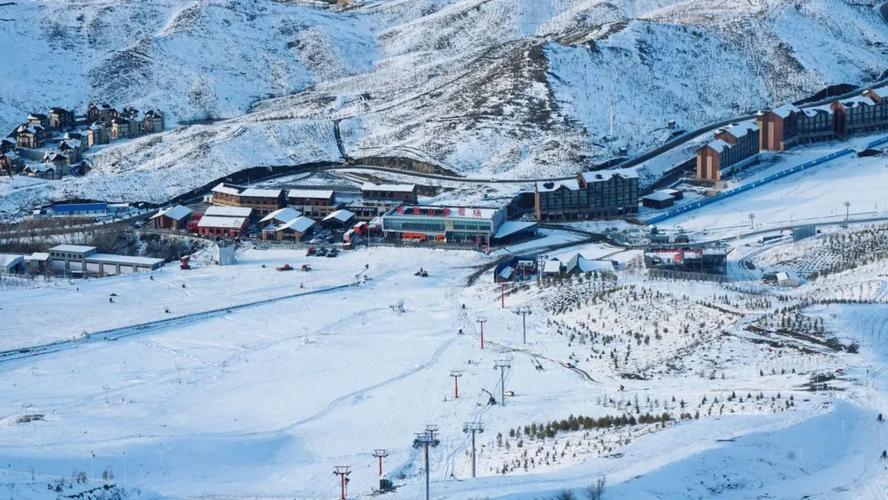
Xinjiang and the northern Altay range sit deep inside the Eurasian landmass, far from any moderating ocean. The result is bitterly cold air holding very little moisture, which produces low-density snow that stays light for days after it falls. Base depths build steadily through the season and rarely suffer the thaw-freeze cycles that ruin snow elsewhere.
This is the closest thing China has to a genuine powder destination. The trade-off is temperature: sustained periods below minus twenty-five are normal in midwinter, and the cold is a real factor in how long you can comfortably stay out.
The Northeast: Reliable, Developed, Colder Than You Expect
Heilongjiang and Jilin host China’s most established resort infrastructure. Snowfall is dependable, the season runs long, and the resorts are large and well-equipped. Snow tends to be slightly denser than in the far northwest but still firmly on the dry side by international standards.
The North-Central Belt: Manufactured and Managed
The resorts serving Beijing and the surrounding provinces receive comparatively little natural snowfall. What they have instead is excellent snowmaking, cold and stable enough temperatures to hold a manufactured base, and immense convenience. The surface is firm, consistent, and predictable. It is not powder, and pretending otherwise leads to disappointment.
For a fuller picture of how these regions compare on terrain, cost, and access, our China skiing guide covers the national landscape in detail.
How the Season Actually Unfolds
Conditions shift substantially across the season, and the best window depends on what you value.
- Late November to mid-December: Early season. Base is thin, coverage patchy, and lower runs may be closed. Lift queues are short and prices are at their lowest. Suitable if you are flexible and value quiet slopes over depth.
- Late December to early January: Base establishes properly. Snow quality improves week by week. Crowds spike around the New Year holiday and prices follow.
- Mid-January to late February: Peak conditions almost everywhere. Deepest bases, coldest temperatures, best snow preservation. Spring Festival falls in this window and creates the busiest days of the year at every resort in the country.
- March: Still good in the north and northwest, noticeably softening further south. Warm afternoons, spring corn snow, thinning crowds, falling prices.
If you are specifically targeting Xinjiang, our breakdown of the best time to ski in Xinjiang goes into month-by-month detail.
Reading Chinese Snow Reports Without Being Misled
Resort-published conditions are marketing documents as much as they are information. That does not make them useless, but it does mean reading them with a degree of scepticism.
- Distinguish base depth from new snow. A resort advertising a healthy base may not have seen fresh snow in three weeks. Both numbers matter and they tell you different things.
- Check open runs, not total runs. The marketing figure is total terrain. The number that affects your day is how much of it is currently open. Early and late season, the gap can be enormous.
- Treat “packed powder” as a default label. It appears on almost every report regardless of actual surface. Trust temperature history and recent snowfall over the descriptive term.
- Cross-reference with weather data. A general forecast for the nearest town, combined with the resort’s elevation, tells you more about likely conditions than the resort’s own summary.
- Look at photos with visible dates. Social posts from the last few days are more honest than any official figure.
What Makes Northwestern Snow Different
Skiers who have ridden Japan or the Rockies often want to know how Xinjiang’s snow compares. The short answer: dry, light, and cold-preserved, with the significant caveat that terrain access is less developed than in mature destinations.
The physics are simple enough. Extremely cold air carries little water vapour, so snow crystals form with high air content and low density. Once on the ground, temperatures stay low enough that the snowpack does not settle or refreeze the way it does in maritime climates. Snow that fell four days ago can still ski like it fell overnight.
What you give up is vertical and lift infrastructure relative to the world’s leading resorts, though this is changing quickly. Our guide to Xinjiang ski resorts covers what each area currently offers.
Practical Ways to Improve Your Odds
You cannot control the weather, but a few habits meaningfully raise your chances of skiing good snow.
- Book flexible where you can. Even a two- or three-day window of flexibility lets you move toward a storm rather than away from one.
- Prioritise north-facing aspects. They hold cold snow longer, particularly late in the season.
- Ski early after a storm. At busier resorts the fresh snow is tracked out within a couple of hours of opening. Being on the first lift is worth more than any other tactic.
- Avoid the Spring Festival week if you possibly can. Conditions may be excellent, but the crowds transform the experience entirely.
- Have a backup area in mind. Regional conditions vary enormously; a bad week at one resort often coincides with a good one three hours away.
Cold Is a Condition Too
Snow reports quote depth and snowfall. They rarely emphasise the thing that most affects a visiting skier’s day in northern China: temperature. Minus twenty-eight with wind is a fundamentally different sport from minus five, regardless of how good the surface is.
Plan for shorter sessions with indoor breaks, protect exposed skin without exception, and accept that a genuinely cold day may mean four hours on snow rather than seven. Understanding local slope conventions helps too, particularly around warming huts and lift-line behaviour; our notes on China ski resort etiquette cover the norms worth knowing.
Frequently Asked Questions
Where in China has the best natural snow?
The northwest, particularly the Altay region of Xinjiang, produces the driest and lightest natural snow in the country thanks to its deep continental climate. Northeastern China offers dependable snowfall with more developed infrastructure.
When is the snow best across Chinese resorts?
Mid-January through late February is peak season nationwide. Bases are deepest, temperatures coldest, and snow preservation strongest. Be aware that Spring Festival falls within this period and brings the year’s heaviest crowds.
Are Chinese resorts mostly artificial snow?
It depends entirely on the region. Resorts near Beijing rely heavily on snowmaking. Northeastern resorts blend natural and manufactured snow. Northwestern resorts in Xinjiang operate primarily on natural snowfall.
How reliable are official resort snow reports?
Directionally useful, optimistic in detail. Base depths are usually broadly accurate; surface descriptions are generic. Cross-check with recent weather data and dated photographs from other skiers before committing.
Does the extreme cold in northern China ruin the skiing?
Not if you prepare for it. Cold is what keeps the snow good. With proper layering and a plan for regular indoor breaks, midwinter temperatures are manageable, though most visitors ski shorter days than they would in a milder climate.
Is late-season skiing in March worth it?
In the north and northwest, yes. Bases remain solid, crowds thin considerably, and prices drop. Expect softer afternoon snow and plan to ski mornings for the best surface.