

Your first trip to Xinjiang was probably about logistics. You worried about flights, permits, language, whether the snow would really be as deep as the forums claimed, and whether you would spend half the holiday sitting in a minibus. By the time you flew home you had answers to all of that — and a nagging sense that you had only scratched the surface. That feeling is the reason so many skiers come back. The second visit is a completely different exercise: you already know how the region works, so you can stop managing risk and start chasing quality.
This guide is written for returning skiers rather than first-timers. It assumes you have already done the classic Altay circuit or a week around Urumqi, that you can read a Chinese lift map without panic, and that you now want deeper terrain, quieter weeks and a smarter itinerary. If you need the fundamentals instead, start with our complete Xinjiang skiing guide and come back here afterwards.
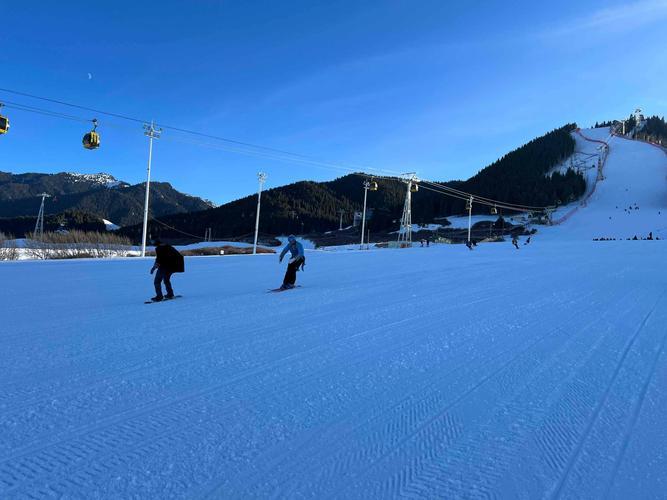
What Changes on Your Second Trip
The biggest shift is time allocation. First-timers spread themselves thin, sampling four or five resorts to work out which one they like. Repeat visitors do the opposite: they pick one or two bases and go deep. Instead of skiing the marquee groomers again, you start exploring the side gullies, the tree pitches below the mid-station, and the north-facing aspects that hold cold snow three days after a storm.
The second shift is confidence with local systems. You already know that lift tickets are cheaper bought as multi-day bundles, that rental shops in the village are often better stocked than resort counters, and that a WeChat mini-program can book your shuttle. That knowledge frees up mental bandwidth for the things that actually determine snow quality: aspect, elevation, wind loading and timing.
- Fewer resorts, more days per resort. Three days at one mountain beats one day each at three.
- Storm chasing over fixed itineraries. Book accommodation flexibly and move toward the snow.
- Local contacts matter. A ski patroller or instructor you met last year is worth more than any online forum.
- Different season window. If you came in January, try late February or March for longer days and softer light.
Terrain You Probably Missed the First Time
Most first visits stay on the signed pistes, which is sensible. But Xinjiang’s ranges — the Altay in the north, the Tianshan around Urumqi — have far more skiable terrain than the trail maps suggest. Returning skiers typically graduate into three categories of terrain.
Sidecountry Off the Top Lifts
Many resorts have short hikes or traverses from the summit station that access open bowls and sparse larch forest. These are not patrolled in the way a European ski area would be, so treat them as backcountry: carry a transceiver, shovel and probe, and go with someone who knows the aspect. If you want to move properly beyond the ropes, read our Xinjiang heliski and backcountry guide before committing.
Smaller and Lesser-Known Areas
Beyond the headline resorts there is a tier of smaller hills that rarely appear in English-language coverage. They have shorter vertical and fewer lifts, but also almost no queues and untouched snow days after a storm. Our roundup of Xinjiang’s hidden-gem ski resorts is the natural next step once you have ticked off the big names.
Traditional Snow Culture Zones
The Altay region is home to a fur-ski tradition that predates modern equipment by millennia. Several villages run demonstration days and short guided tours where you can try handmade skis on gentle slopes. It is not a powder day, but it is the kind of experience that turns a repeat trip into something memorable rather than merely more of the same.
Timing Your Return Visit
Season choice is where repeat visitors gain the most. Xinjiang’s winter is long, and each segment has a distinct character.
- Early season (late November to mid-December). Cold, quiet and cheap, with a thinner base. Good for cruising and for photographers who want low sun angles.
- Deep winter (January to early February). The coldest and driest window, with the lightest snow. Also the busiest around domestic holiday periods.
- Late winter (late February to mid-March). The sweet spot for many returning skiers: deep base, longer daylight, more manageable temperatures.
- Spring (mid-March onwards). Softer snow, corn conditions on sunny aspects and the lowest prices of the year.
If your first trip was in the January deep freeze, consider flipping to the back half of the season. Prices drop sharply and the terrain is fully open. Our breakdown of late-season ski deals and discounts in Xinjiang covers exactly how much you can save and when the discounts kick in. For a fuller comparison of all four windows, see our analysis of the best time to ski in Xinjiang.
Building a Smarter Repeat Itinerary
The classic mistake on a second trip is to simply repeat the first itinerary with a few additions. A better approach is to restructure around a single question: what do you actually want out of these days?
If You Want Powder
Base yourself in the Altay region and build in flexibility. Book the first three nights firmly and leave the rest open, then commit once you can see a storm track. Aim for a mid-week arrival so you are in position before weekend crowds. Keep a rest day in reserve — Xinjiang storms often arrive in clusters, and you want energy for the second and third day of a cycle, not just the first.
If You Want Variety
Split the trip between the Tianshan resorts near Urumqi and the Altay ranges. The two feel genuinely different: Tianshan is more accessible with better infrastructure, while Altay is colder, quieter and snowier. Our overview of Xinjiang ski resorts lays out the practical differences in vertical, lift systems and travel times.
If You Want Culture as Well as Skiing
Reduce ski days to four or five and use the rest for markets, hot springs, horse-drawn sleighs and food. Repeat visitors often report that the non-ski days end up being the ones they describe most vividly afterwards. A slower itinerary also removes the pressure to ski through bad weather.
Practical Upgrades for Round Two
Small logistical changes compound over a week. These are the adjustments returning skiers most often mention.
- Bring your own boots. Even if you rent skis locally, boots are the single biggest comfort variable and rental fit is a lottery.
- Set up mobile payments before you fly. Cash is increasingly awkward outside major towns.
- Book multi-day lift products rather than daily tickets. The per-day saving is significant across a week.
- Pre-arrange transfers. Airport-to-resort shuttles fill quickly in peak weeks and are far cheaper than last-minute private cars.
- Learn ten more phrases. Basic numbers, “where is the lift”, and food vocabulary transform daily interactions.
Equipment-wise, most returning skiers go wider underfoot. If your first trip was on 85mm all-mountain skis, something in the 100–110mm range will change how the powder days feel. Local shops now stock reasonable powder gear, but selection in the widest sizes is thin and moves fast, so bring your own if you have firm preferences about shape or length. Reserve rentals in advance rather than walking in on a storm morning, when every wide ski in the village will already be out.
Mistakes Repeat Visitors Still Make
Familiarity breeds its own errors. The most common is overconfidence about weather: a returning skier who had blue skies in January assumes the same next year and packs light, then meets a week of −30°C mornings. Xinjiang’s inter-annual variability is real, and the safe assumption is always colder than your memory suggests.
The second mistake is booking too rigidly. Having “solved” the logistics once, some visitors lock in every night and every transfer months ahead, then cannot move when the snow lands elsewhere. Build at least three flexible nights into any powder-focused trip.
The third is skipping acclimatisation. Some Xinjiang terrain sits high enough that a day of hard skiing straight off a long-haul flight leaves you flat for the rest of the week. Plan an easy first day regardless of how well you know the mountain.
Frequently Asked Questions
Is a second trip to Xinjiang worth it, or should I try somewhere else in China?
If powder quality is your priority, Xinjiang remains the strongest option in the country by a clear margin. Other regions have better infrastructure and easier access, but none match Altay’s snow depth and dryness. Most repeat visitors find that their second trip is better than the first precisely because the logistics are no longer a distraction.
How many days should I plan for a return visit?
Eight to ten days on the ground is the sweet spot. That allows two travel days, six or seven ski days and enough slack to sit out one bad-weather day without wrecking the itinerary. Shorter trips of five or six days work if you commit to a single base and skip the region-hopping.
Should I book through an agency again or go independent?
If your first trip was agency-organised and went smoothly, going independent the second time is usually manageable and noticeably cheaper. The main friction points are domestic transfers and language at smaller resorts. If you are chasing backcountry terrain, keep a local guide even when the rest of the trip is self-organised.
Do prices change much between my first and second season?
Lift ticket prices are relatively stable year to year, but accommodation and flights swing considerably with demand and season timing. Shifting your trip two or three weeks later in the season typically saves more than any loyalty discount or package deal.
What is the single biggest upgrade for a repeat visitor?
Flexibility. Booking accommodation that allows changes, and leaving your resort choice open until three or four days out, will do more for snow quality than any equipment purchase or resort loyalty programme.