

Choosing between Xinjiang vs Heilongjiang skiing is the classic dilemma for foreign skiers planning a winter trip to China. The two regions sit at opposite ends of the country and offer genuinely different experiences: Xinjiang in the far northwest delivers dry, deep mountain powder and dramatic Altai scenery, while Heilongjiang in the northeast pairs reliable cold snow with famous ice festivals and well-developed resort towns. Neither is wrong, but the right pick depends on your skill level, your budget, and the kind of winter atmosphere you want. This comparison breaks down snow, terrain, cost, and logistics so you can decide where to point your skis.
The Two Snow Capitals of China
Xinjiang has built a global reputation among powder hunters, especially around Altay, where the snow is famously light and the season long. Heilongjiang, anchored by the city of Harbin and the Yabuli resort area, is the traditional heart of Chinese skiing, with decades of resort development and the country most famous winter festival. If you want remote, mountainous, adventurous snow, lean Xinjiang. If you want established resorts, easy flights, and festival energy, lean Heilongjiang. The Xinjiang skiing guide and the northeast options both reward a first-time China skier.
Snow Quality and Terrain
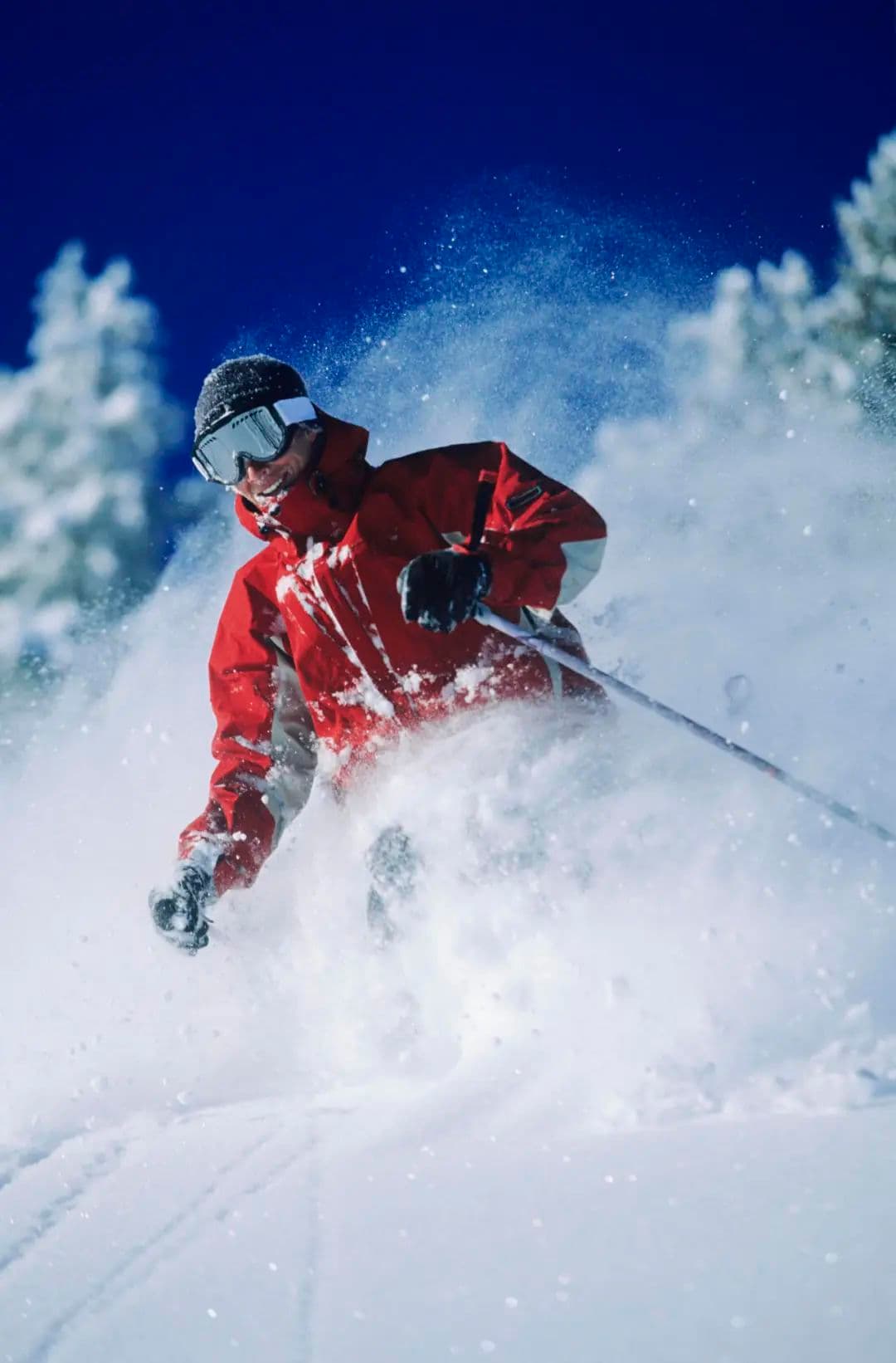
Xinjiang interior continental climate produces the driest snow in China, the kind that floats and piles deep around the Altay range. The mountains are big, with real backcountry and off-piste opportunities for strong skiers. Heilongjiang is colder still but wetter, producing a denser, grippier snow that is excellent for carving and racing. Its terrain is gentler and more resort-focused, with long groomed boulevards rather than steep alpine faces. The Xinjiang ski resorts range from huge to intimate, while Heilongjiang concentrates quality at a few headline mountains.
Resorts and Infrastructure
Heilongjiang Yabuli is the flagship, a large resort with multiple areas, good lifts, and a history of hosting international competitions. Harbin itself adds city slopes plus the world-famous ice and snow festival that turns the whole city into a sculpture park. Xinjiang counters with Jiangjunshan, Cocoa Tuohai, and Silk Road resort near Urumqi, each with its own character and growing facilities. The Yabuli ski resort remains the northeast benchmark, while Xinjiang north is the place for explorers who want space and silence on the snow.
Cost and Value
Heilongjiang is generally easier on the wallet for resorts and food, and its mature tourism means predictable pricing and plenty of package deals. Xinjiang can be pricier once you add internal flights or long transfers to Altay, but the experience feels more exclusive and less crowded. Lift tickets in both regions are cheap by Western standards. The Harbin skiing and ice festival guide explains combined ticket options that can stretch a budget, while Xinjiang rewards travelers who stay longer to spread transfer costs.
Getting There
Harbin has an international airport with many direct flights, making Heilongjiang the simpler arrival for most foreign visitors. Xinjiang requires a flight to Urumqi and often a second hop north to Altay, which adds planning but opens a wilder landscape. Both regions are well inside China, so a visa and standard travel apps apply equally. The best ski resorts in China span both provinces, and some dedicated skiers visit each in a single long winter to compare them firsthand.
Crowds and Atmosphere
Heilongjiang draws bigger domestic crowds during holidays and festivals, so slopes and hotels fill fast in peak weeks. Xinjiang resorts are more spread out and quieter, giving a sense of space even on busy days. If you dislike lines, avoid Chinese New Year week in either region and aim for mid-week skiing. The atmosphere also differs: Heilongjiang buzzes with festival lights and city energy, while Xinjiang offers star-filled silence and mountain hospitality that feels far from any metropolis.
Which Should You Choose
Pick Xinjiang if you are a confident skier who wants the best snow, the most dramatic scenery, and a sense of frontier adventure. Pick Heilongjiang if you value convenience, festivals, reliable infrastructure, and a gentle learning curve. Many foreign skiers do both over two trips, or combine Xinjiang powder with a Harbin stop on the way home for the festival. The travel tips for foreign skiers in China cover the logistics of linking regions, including trains, flights, and booking windows that save money.
Food, Festivals, and Après Ski
Heilongjiang leans into winter culture with the Harbin Ice and Snow Festival, where giant sculptures glow at night and the whole city becomes a cold-weather carnival. Xinjiang counters with hearty Uyghur and Kazakh cuisine, music, and quieter mountain evenings by the fire. If your trip is about more than skiing, Heilongjiang gives you bright lights and crowds, while Xinjiang gives you starlight and silence. Both regions serve warming noodle soups and roasted meats that are exactly what a cold skier needs after the last lifts.
Linking the Two Regions
A growing number of serious skiers ski both in one winter, flying from Altay to Harbin or the reverse. The contrast is the point: deep dry powder followed by festival energy, or groomed comfort followed by wild mountains. Build in buffer days, because weather delays are normal, and book the long internal flight early in peak season. Treat the journey as part of the adventure, and you get two very different Chinas in a single pair of ski boots.
Ski Schools and Lessons
Both regions run ski schools, but the experience differs. Heilongjiang resorts, used to domestic crowds, often have larger schools with English-speaking instructors in peak weeks, while Xinjiang schools are smaller and more personal, better for focused progression. Book lessons ahead in holiday periods, because good instructors fill fast. A few mornings with a local teacher accelerates your confidence far more than struggling alone, and it is a reliable way to learn resort etiquette and safe lines.
When to Book and How to Save
Lift tickets, hotels, and flights all rise around Chinese New Year and the deepest winter weeks. Booking two months ahead usually locks better rates, and mid-week skiing avoids both crowds and premiums. Some resorts sell multi-day passes that cut the per-day cost, and shoulder weeks in December or late February are cheaper yet still snow-sure. Planning the calendar is the single biggest lever on total trip cost in either province.
Frequently Asked Questions
Which region has better snow for powder?
Xinjiang, especially around Altay, has the driest and deepest powder in China, ideal for off-piste and backcountry skiers who want floaty, light snow and big mountain terrain.
Is Heilongjiang better for beginners?
Generally yes. Its resorts are well developed, with gentle groomed runs, English-friendly lessons in busy areas, and the safety net of nearby towns and medical care, which suits first-time skiers.
Can I visit both in one trip?
It is possible but ambitious, since the regions are at opposite ends of the country. Most travelers fly between them, often skiing Xinjiang then ending in Harbin for the ice festival before flying out.
Which is cheaper?
Heilongjiang tends to be cheaper overall thanks to mature tourism and package deals, though Xinjiang offers better value per run if you stay long enough to spread transfer costs.
When is the best time to ski either?
Both run roughly late November to March. December through February brings the most reliable snow and coldest weather, while late February eases temperatures without losing the base.