

Skiing in Inner Mongolia offers foreign travelers a refreshingly different slice of China winter, where manicured resort runs meet the wide, wind-swept romance of the northern grasslands. Straddling the border with Mongolia and sprawling across the top of northern China, Inner Mongolia combines cold, dry continental snow with open prairie scenery you will not find in the alpine resorts further south. For skiers who have already explored the famous powder of Xinjiang or the busy hills near Beijing, the region is a calm, affordable, and genuinely local alternative. This guide covers the best places to ski, what makes the snow special, and the practical tips that help international visitors plan a smooth grassland ski trip.
Why Ski in Inner Mongolia
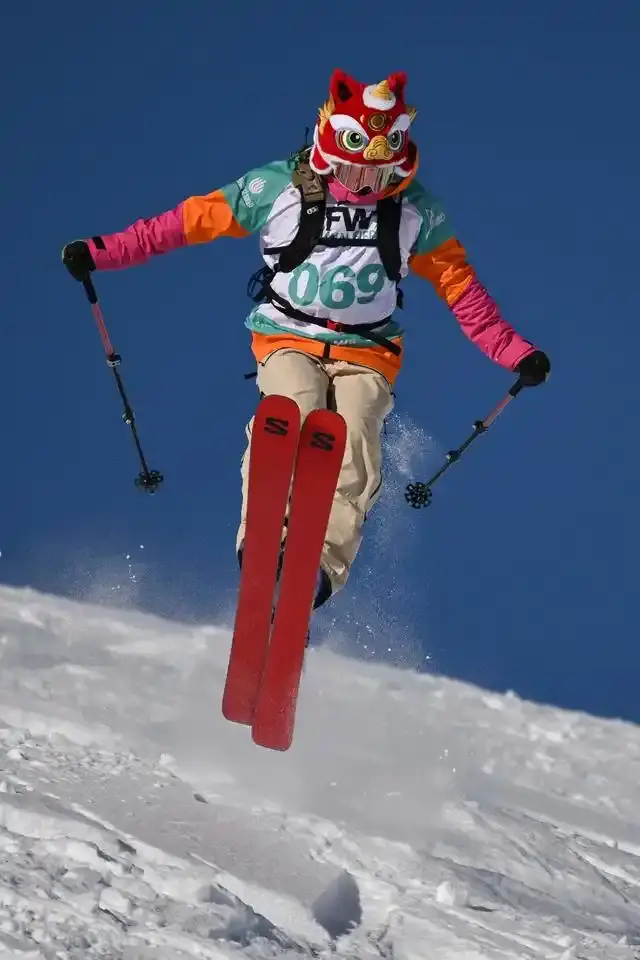
The appeal of Inner Mongolia skiing starts with its climate. The province sits deep in the continental interior, far from any ocean, which means long, bitterly cold winters and snow that stays dry and light for months. Resorts here open early and close late, often running from late November into March. The terrain is gentler than the high peaks of Xinjiang, which makes the region especially friendly for families, beginners, and anyone who wants relaxed days on the snow rather than a serious mountaineering test. Towns are compact, prices are reasonable, and the culture blends Mongolian, Han, and ethnic minority traditions into food, music, and festivals you can enjoy after the lifts close.
Top Resorts Around Hohhot
Hohhot, the regional capital, is the usual entry point and home to several accessible hills. The nearby resorts offer floodlit night skiing, rental gear, and English signage that is improving every season. Because the slopes are modest in height, a first-time visitor can cover the whole mountain in a day and still have energy for the city famous hotpot and noodle houses. If you want a gentle warm-up before tackling bigger mountains elsewhere in China, a couple of days around Hohhot is a sensible, low-pressure start to a winter trip.
Ulanqab and the High Plains
West of Hohhot, the Ulanqab area has invested heavily in winter sports, building larger resorts with longer runs and better lifts. The high plains catch reliable snowfall, and the cold temperatures keep the surface crisp. These resorts market themselves as training grounds for competitive skiers, so the grooming is usually excellent and the infrastructure surprisingly modern. For foreign skiers, the downside is thinner English service, so a translation app and a hotel concierge who can call ahead are genuinely useful.
Arxan: Forest, Volcanoes, and Quiet Powder
In the far northeast of the region, Arxan is the hidden gem. Set among volcanic craters, frozen lakes, and dense birch forest, it feels more like a Nordic wilderness than a resort town. The skiing is small-scale but scenic, and the real draw is the surroundings: hot springs that steam in the freezing air, snow-covered crater rims, and almost no crowds. Arxan suits travelers who value atmosphere over vertical drop, and it pairs beautifully with a wider Inner Mongolia rail or road journey through the north.
Grassland Powder and the Unique Experience
What truly sets the region apart is the grassland setting. On clear days the runs open onto horizons of white steppe, with lone trees and distant herds that have been moved to winter pasture. The light is huge and flat, the air is sharp, and the silence away from the lifts is remarkable. Some resorts build Mongolian yurt villages for visitors, where you can sleep warm under thick felt after a day on the snow and wake to tea cooked over coals. It is a cultural experience as much as a sporting one, and that blend is the region signature.
Best Time to Ski
The season runs roughly late November to early March, with the deepest, most reliable snow from December through February. January is the coldest month, often well below freezing, but also the driest and sunniest. If you dislike extreme cold, aim for early December or late February, when days are longer and temperatures ease without losing the snow base. Always check local conditions before booking, because northern China winters can swing between bluebird calm and sudden snowstorms that close roads for a day.
Getting There and Getting Around
Most visitors fly into Hohhot Baita International Airport, which has connections from Beijing, Shanghai, and other major hubs, plus a growing number of regional flights. From there, trains and buses reach Ulanqab and beyond, while Arxan is best reached by a longer rail or flight combination. Within each ski town, hotels often run shuttles to the slopes, and taxis are cheap. Renting a car is possible but not necessary unless you plan to tour several areas, and winter driving on open plains demands caution during storms.
What to Expect as a Foreign Skier
Inner Mongolia receives far fewer foreign tourists than Beijing or Xinjiang, so expect curiosity and warm hospitality rather than polished international service. Carry your passport, bring a translation app, and download offline maps before you lose signal in remote areas. Payment is increasingly digital, so set up a Chinese payment method or carry cash as backup. English is limited outside the capital, but resort staff are used to pointing, smiling, and helping, and the learning curve is part of the charm of skiing somewhere still under the radar.
Inner Mongolia vs Xinjiang
Compared with skiing in Xinjiang, Inner Mongolia is lower, calmer, and easier on the budget, with less dramatic mountain terrain but more open cultural experience. Xinjiang wins for serious powder hunters chasing the famed Altay snow, while Inner Mongolia wins for relaxed family trips and a taste of grassland life. Many travelers combine the two on a longer China winter, skiing Xinjiang first and then drifting east to the plains. The best ski resorts in China span both regions, so there is no need to choose forever.
Food and Warming Up Off the Slopes
After a cold day, Inner Mongolia food is the perfect reward. Hotpot, roasted lamb, and milk tea restore warmth fast, and the Mongolian barbecue style is a highlight you will not find at southern resorts. Many ski towns have night markets where you can sample dried cheese, fried bread, and sweet dairy treats unique to the grasslands. Eating well is part of staying warm and energized for another day on the snow, and the friendly local hospitality makes dinner as memorable as the skiing itself.
Frequently Asked Questions
Is Inner Mongolia good for beginner skiers?
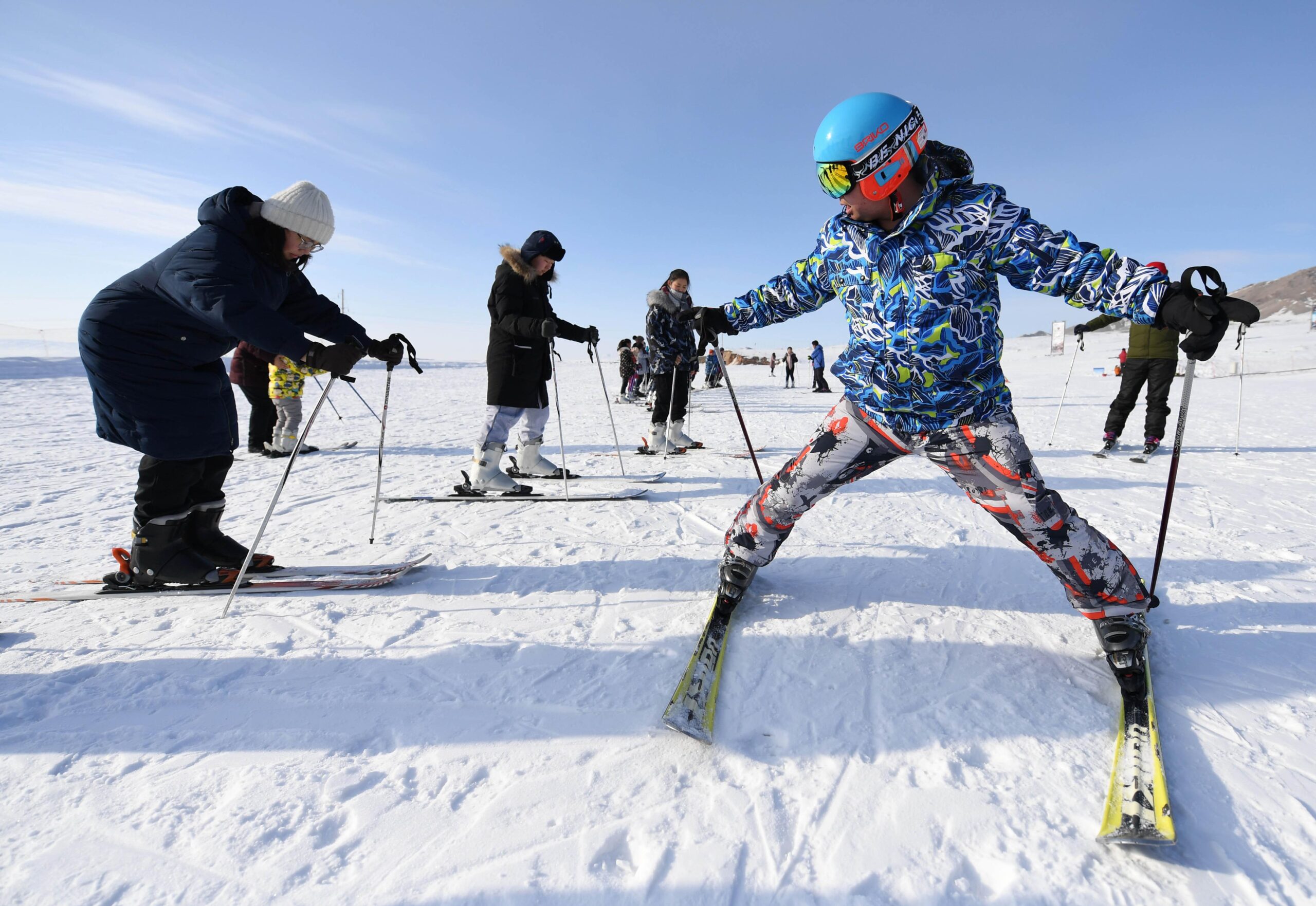
Yes. The resorts are mostly low and gentle, with wide beginner areas, patient instructors, and affordable lessons. It is one of the most forgiving places in northern China to learn, and the cold dry snow is easy to control once you find your balance.
When does the ski season start?
Most resorts open in late November and run into early March, weather permitting. The strongest snow base builds through December, and January offers the most reliable cold, sunny conditions for skiing across the region.
Do I need a visa to ski in Inner Mongolia?
Foreign visitors need a valid Chinese visa, just as for any other part of the country. The China visa guidance for skiers explains the documents and timing, and you should apply well before your trip because winter is a popular travel season.
How does it compare with Harbin?
Harbin is famous for its ice festival and city slopes, while Inner Mongolia offers more open grassland scenery and quieter resorts. The Harbin skiing and ice festival guide covers that option if you want festivals and bright lights alongside your skiing.
Can I combine it with Beijing skiing?
Easily. Beijing is a short flight or train from Hohhot, and the Beijing ski resorts make a natural add-on if you are already in the capital and want a few extra days on snow before flying home.